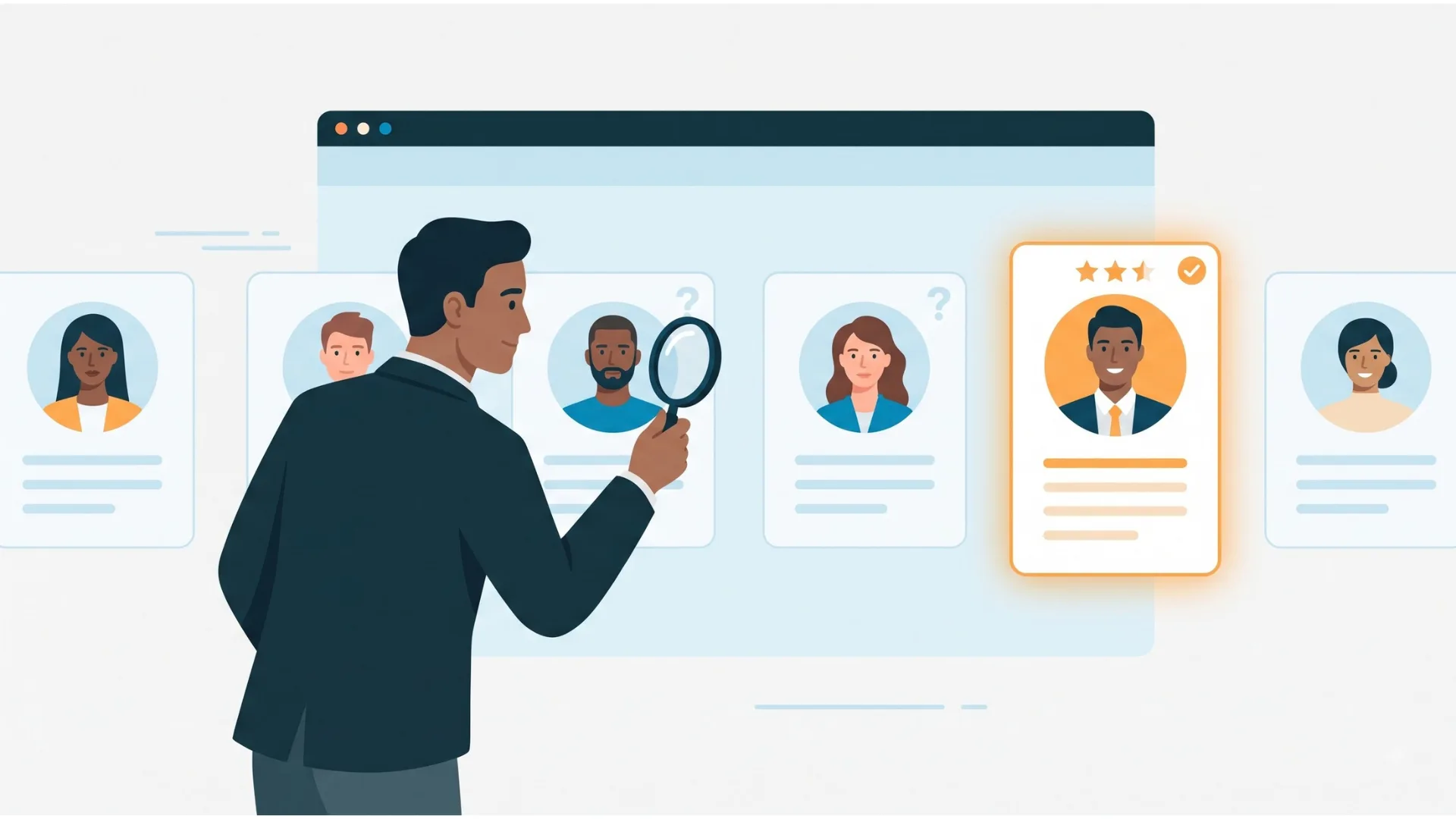


Hiring has never been simple, but today’s hiring challenges are more complex than ever. Organizations are navigating talent shortages, evolving skill requirements, rising hiring costs, and shifting candidate expectations - all while competing in a global labor market.
According to recent global workforce reports, over 75% of employers report difficulty filling roles due to talent shortages, and skills mismatches continue to widen across industries. At the same time, poor hiring decisions can cost companies up to 30% of an employee’s annual salary, increasing pressure on HR teams to improve the quality of hire.
Understanding modern recruitment challenges is essential for building resilient hiring strategies. This guide explores the most common hiring difficulties organizations face today - and practical, research-backed ways to address them effectively.
TL;DR
-
Talent shortage and skills gap remain the biggest hiring challenges globally.
-
Workforce planning issues increase time to fill positions and hiring costs.
-
High candidate drop-off rate and offer decline rate impact hiring efficiency.
-
Quality of hire issues and employee retention problems drive long-term costs.
-
Reducing hiring bias and building talent pipelines improves hiring outcomes.
What Are Hiring Challenges?
Hiring challenges refer to the operational, strategic, and market-based obstacles organizations face when attracting, evaluating, and retaining qualified talent.
These recruitment challenges can include:
-
Talent shortage
-
Skills gap
-
Workforce planning issues
-
High cost of hiring
-
Time to fill positions
-
Quality of hire issues
-
Candidate drop-off rate
-
Offer decline rate
-
Employee retention problems
-
Talent pipeline gaps
Addressing these staffing challenges requires both short-term process improvements and long-term workforce strategy.
1. Talent Shortage and Skills Gap
One of the most persistent recruitment problems today is the growing talent shortage. Many employers report difficulty finding candidates with specialized technical, digital, and leadership skills.
At the same time, the skills gap continues to widen. Rapid technological advancements in AI, automation, and data analytics are reshaping job requirements faster than traditional education systems can adapt.
Why This Is Happening
-
Digital transformation across industries
-
Remote work is expanding competition globally
-
An aging workforce in certain sectors
-
Increased demand for niche technical skills
How to Overcome It
-
Invest in upskilling and reskilling programs
-
Develop internal mobility strategies
-
Expand sourcing beyond traditional job boards
-
Build long-term talent pipeline partnerships
Organizations that focus on developing skills internally are better positioned to reduce long-term hiring difficulties.
2. Workforce Planning Issues
Poor workforce planning often leads to reactive hiring, rushed decisions, and inflated recruitment costs. Without accurate forecasting, organizations experience sudden vacancies and resource gaps.
Workforce planning issues also create talent pipeline gaps, making it harder to respond quickly to new business demands.
Impact on Hiring
-
Increased time to fill positions
-
Higher reliance on external recruiters
-
Misaligned hiring budgets
-
Increased staffing challenges
Strategic Fix
-
Use workforce analytics to forecast hiring needs
-
Align HR strategy with business growth plans
-
Monitor hiring metrics such as turnover and time to hire
-
Develop succession planning frameworks
Proactive workforce planning reduces long-term recruitment challenges significantly.
3. High Cost of Hiring
The high cost of hiring is a growing concern for many organizations. Costs include job advertising, recruitment software, interview time, onboarding, and productivity loss during vacancies.
Research suggests that a bad hire can cost up to 30% of an employee’s annual salary, making quality hiring critical.
Drivers of High Hiring Costs
-
Extended time to fill positions
-
Inefficient screening processes
-
Repeated hiring due to retention problems
-
External agency fees
How to Reduce Costs
-
Automate repetitive screening tasks
-
Improve candidate matching accuracy
-
Strengthen employee referral programs
-
Track cost-per-hire metrics consistently
Improving hiring efficiency lowers overall recruitment problems.
4. Time to Fill Positions
The average time to fill positions varies by industry but continues to increase for specialized roles. Long hiring cycles reduce productivity and increase team workload.
Common Causes
-
Too many interview rounds
-
Delayed decision-making
-
Poor candidate communication
-
Limited qualified applicant pool
Solutions
-
Implement structured hiring workflows
-
Set clear evaluation criteria
-
Reduce unnecessary interview stages
-
Maintain active talent pools
Reducing time to hire improves both operational efficiency and candidate experience.
5. Quality of Hire Issues
Speed should never replace quality. Quality-of-hire issues arise when employees underperform, leave early, or fail to align culturally with the organization.
Early turnover increases staffing challenges and hiring costs.
Indicators of Poor Quality of Hire
-
High probation-period exits
-
Low performance ratings
-
Increased training costs
-
Manager dissatisfaction
How to Improve Quality of Hire
-
Use competency-based interviews
-
Standardize assessment frameworks
-
Incorporate skills testing
-
Measure performance outcomes post-hire
Tracking quality metrics ensures recruitment challenges do not repeat over time.
6. Candidate Drop-Off Rate and Offer Decline Rate
A high candidate drop-off rate signals friction in the hiring process. Candidates often disengage due to long forms, slow responses, or unclear communication.
Similarly, the offer decline rate is increasing in competitive markets, where candidates frequently receive multiple offers.
Contributing Factors
-
Lengthy applications
-
Lack of transparency
-
Poor interview experience
-
Compensation mismatch
How to Improve Conversion
-
Simplify application processes
-
Communicate timelines clearly
-
Offer competitive benefits
-
Provide timely feedback
Enhancing candidate experience directly reduces hiring difficulties.
7. Employee Retention Problems and Hiring Bias
Recruitment does not end with onboarding. Employee retention problems increase the frequency of hiring cycles, compounding recruitment challenges.
At the same time, hiring bias - conscious or unconscious - can limit diversity and affect decision quality.
Addressing Retention Issues
-
Provide career development pathways
-
Conduct engagement surveys
-
Offer flexible work options
-
Strengthen leadership training
Reducing Hiring Bias
-
Use structured interview scorecards
-
Implement blind resume screening
-
Train managers on inclusive hiring practices
Reducing bias and improving retention supports long-term workforce stability.
How to Overcome Hiring Challenges Strategically
Organizations that successfully overcome hiring challenges take a systematic approach:
-
Develop long-term workforce planning strategies
-
Use recruitment analytics to track KPIs
-
Improve employer branding
-
Build strong internal talent pipelines
-
Focus on candidate experience optimization
-
Continuously measure and refine hiring metrics
A proactive approach transforms recruitment challenges into competitive advantages.
Final Thoughts
Modern hiring challenges require strategic thinking, data-driven decisions, and continuous improvement. As talent markets evolve, organizations that prioritize workforce planning, quality hiring, and candidate experience will outperform competitors.
By addressing recruitment challenges systematically, businesses can reduce hiring difficulties, close talent pipeline gaps, and build stronger, future-ready teams.
Frequently Asked Questions (FAQs)
1. What are the most common hiring challenges today?
Talent shortages, skills gaps, high cost of hiring, time to fill positions, and employee retention problems are among the most significant recruitment challenges.
2. How can companies overcome recruitment challenges?
Companies can overcome recruitment challenges by improving workforce planning, building talent pipelines, optimizing candidate experience, and using data-driven hiring strategies.
3. Why is reducing the time to fill positions important?
A shorter time to hire improves productivity, lowers hiring costs, and enhances candidate satisfaction.
4. How does hiring bias impact recruitment?
Hiring bias can reduce diversity, limit innovation, and result in suboptimal hiring decisions.
About the Author