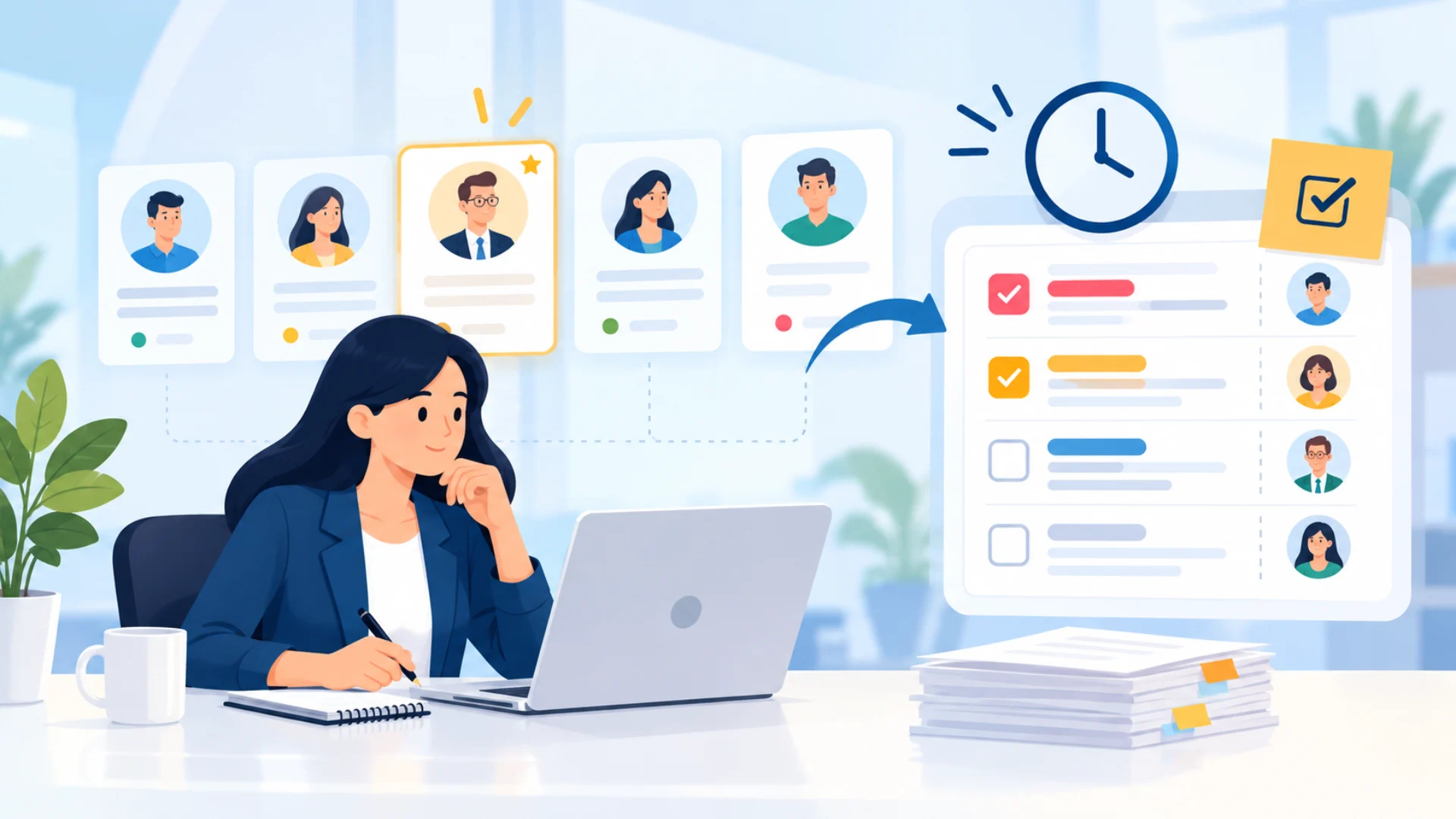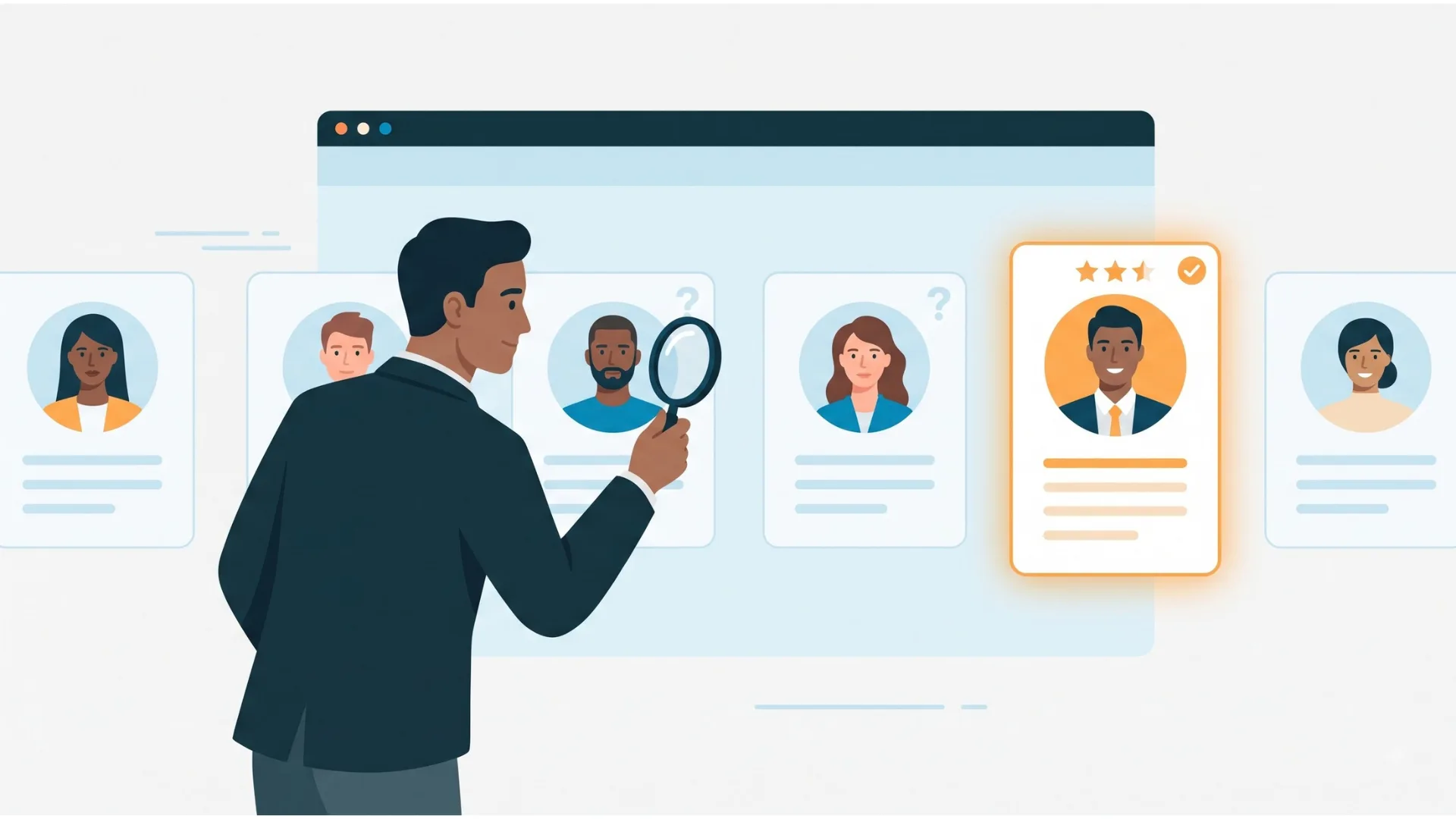

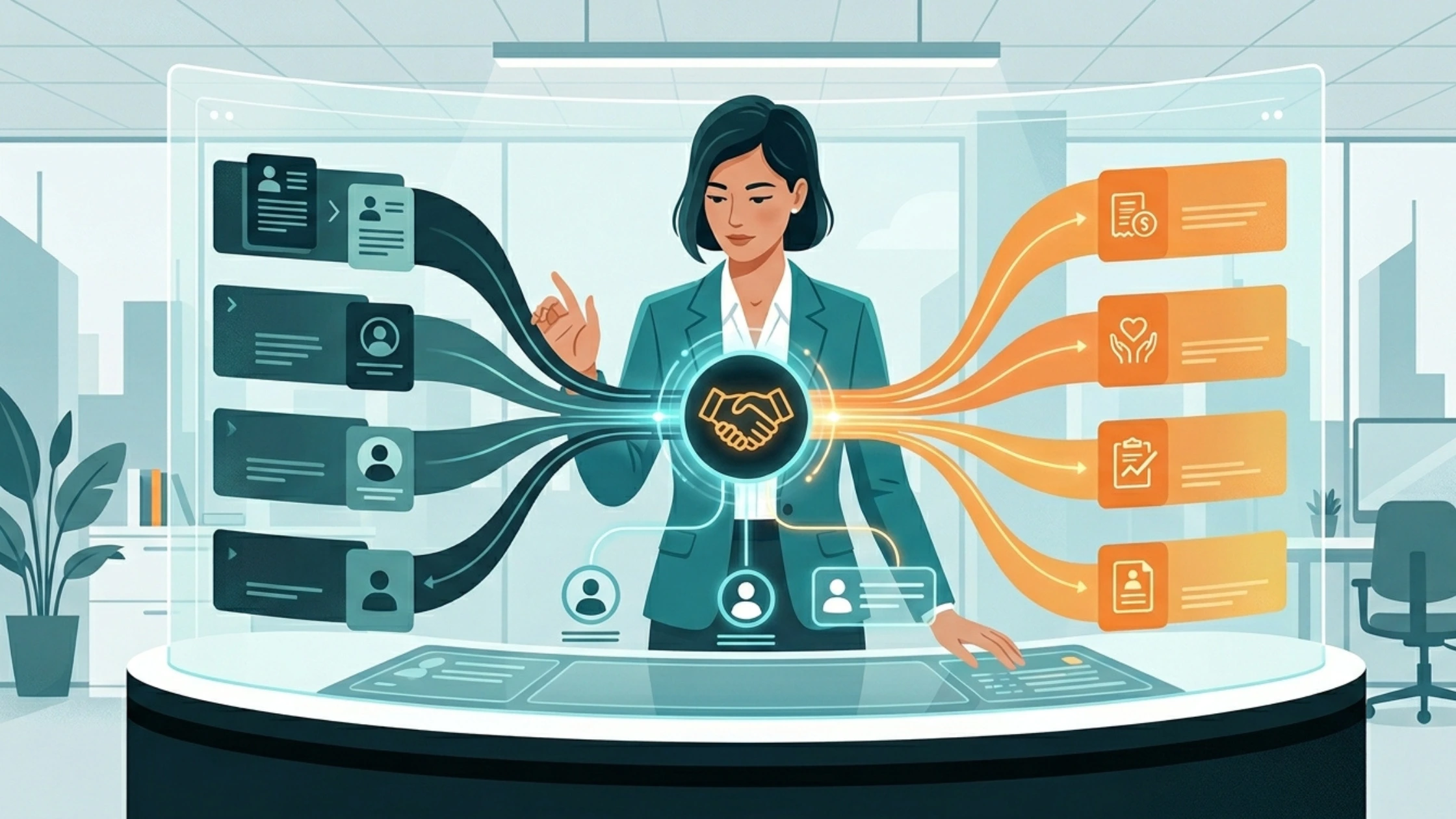
Recruiters and HR teams face constant pressure to hire faster, keep data accurate and deliver a personalised experience for candidates and managers. The smart answer for many organisations is to invest in staffing software HRMS integration so staffing systems and HR management systems work as one source of truth. In this guide I explain why integration matters, how to plan it, technical options, practical examples and a clear checklist you can use to start integration projects with confidence.
TL;DR
- Integrating staffing software HRMS integration centralises candidate and employee data for better decision making.
- Automated workflows cut time to hire and reduce manual errors.
- Choose between direct API, middleware or iPaaS depending on scale and budget.
- Prioritise data mapping, consent, and role based access during integration.
- Measure success with time to hire, retention, cost per hire and data accuracy KPIs.
- Start with a phased pilot, clear SLA and a stakeholder communication plan.
- Proper integration delivers measurable efficiency and a better candidate experience.
Why integrate staffing software and HRMS?
At its simplest, staffing software HRMS integration replaces duplicate entries and manual handoffs with automated, auditable processes. Instead of recruiters rekeying candidate records into an HRMS when a hire is confirmed, data flows automatically from the staffing platform to the HRMS. That single change reduces admin, speeds onboarding and improves compliance.
There are broader benefits too. Integrated systems enable better workforce planning by connecting historical hire data to headcount forecasts. They support consistent compliance across contracts and background checks. They also improve the candidate experience by eliminating repetitive forms and providing a single view of status for applicants. Organisations that prioritise integration often see reductions in time to hire and administrative effort plus higher hiring manager satisfaction.
Business case and measurable benefits
To secure buy in you need a clear business case. Typical measurable benefits include:
- Reduced time to hire through automated handoffs and instant data transfer.
- Lower administrative cost by eliminating duplicate data entry and manual reconciliation.
- Improved data quality and audit readiness thanks to consistent records.
- Better candidate experience as applicants avoid repeating information across systems.
- Automated workflows reduce manual tasks and speed up recruitment processes.
Industry reports and vendor case studies show organisations can reduce administrative hours by up to 40 percent and shorten onboarding timelines substantially after integration. For example, a medium sized recruitment agency that integrated its ATS and HRMS reported a 35 percent drop in time spent on admin and a faster payroll handover. These gains add up quickly when you consider hiring volumes across a year.
Technical approaches to staffing software HRMS integration
There are three common technical approaches. Select the one that matches your architecture, budget and pace of change.
1. Direct API integrations
Many modern staffing platforms and HRMS products provide RESTful APIs. Building a direct point to point integration is efficient for straightforward use cases like sending hires and updating employee records. It is the best option when you control both ends and the scope is limited to a few data flows.
2. Middleware or enterprise service bus
For larger organisations with many systems, middleware helps orchestrate complex workflows. Middleware can transform data, enforce validation rules and ensure retry logic. It is resilient and easier to maintain than multiple direct integrations, but it requires a higher initial investment.
3. iPaaS and managed connectors
Integration platform as a service, or iPaaS, offers prebuilt connectors for popular staffing platforms and HR systems. iPaaS reduces development effort and accelerates time to value, especially for cloud native stacks. It is ideal when you need ongoing flexibility and lower maintenance overhead.
Data design and governance
Strong data design prevents issues after go live. Start with a data dictionary that maps fields between staffing software and HRMS. Agree on canonical records and which system is the source of truth for each field. Common fields to map include personal details, role, start date, employment type, salary and compliance checks.
Governance covers consent and privacy. Ensure candidate consent for data transfer is recorded and that transfers comply with local employment and data protection laws. Role based access control is essential to prevent unauthorised access to sensitive records.
Practical implementation steps
Use a phased approach to reduce risk. A typical implementation plan looks like this:
- Discovery and stakeholder alignment: map processes, owners and KPIs.
- Design: create data mappings, workflows and SLAs for data sync.
- Pilot: integrate a single business unit or region first.
- Scale: roll out after validating data quality and process improvements.
- Optimise: monitor KPIs and iterate on rules and automation.
During pilot, focus on the highest value use cases such as automated hire creation, new starter data transfer and payroll handover. Ensure test data covers edge cases like contingent workers, contractors and variable pay bands.
Security, compliance and privacy
Security must be baked into the integration. Use encrypted transport, token based authentication and scoped API keys. Maintain logs for audit and ensure data retention policies align across systems. For organisations operating in multiple jurisdictions, account for cross border transfer rules and local employment regulations.
Real world example
Consider a UK based recruitment business that used a leading staffing platform together with a cloud HRMS. Before integration recruiters spent hours reconciling candidate records and manually creating employee accounts. After implementing a phased staffing software HRMS integration using an iPaaS, the firm automated new starter creation, background check status updates and payroll file transfer. The result was a 30 percent faster time to onboard and a dramatic reduction in payroll errors. Managers reported faster visibility of new hires and a smoother candidate journey.
Common pitfalls and how to avoid them
- Undefined source of truth: agree early which system controls each data element.
- Poor error handling: implement clear retry rules and error dashboards.
- Neglecting consent: ensure candidate consent is captured and auditable.
- Over customisation: favour configuration over heavy custom code to simplify upgrades.
KPIs to measure success
Define measurable indicators and track them from day one. Relevant KPIs include:
- Time to hire and time to onboard.
- Cost per hire and administrative hours saved.
- Data accuracy rate and number of manual corrections.
- Hiring manager and candidate satisfaction scores.
Combine system metrics with qualitative feedback from recruiters and hiring managers. Use dashboards that highlight exceptions so teams can focus on edge cases rather than routine transfers.
Checklist for a smooth staffing software HRMS integration
- Document current processes and pain points.
- Agree source of truth for every field and build a data dictionary.
- Choose the right technical approach: API, middleware or iPaaS.
- Plan a pilot and define success criteria before full roll out.
- Implement robust monitoring, error handling and audit logs.
- Train users and provide clear owner responsibilities post go live.
How AI and automation enhance integration
AI can help automate data mapping, match duplicate records and predict missing fields to reduce manual intervention. For example, machine learning can match a candidate profile in staffing software with an existing employee record in the HRMS even when names differ slightly. Automation can also trigger onboarding tasks, forms and equipment provisioning, improving new starter productivity from day one.
Conclusion
Staffing software HRMS integration is an essential step for HR teams that want to reduce manual work, improve data quality and deliver a better hiring experience. By choosing the right technical approach, focusing on data governance and launching with a controlled pilot, organisations can unlock clear efficiency gains and measurable ROI. Start with the highest value flows, measure relevant KPIs and iterate. Done well, integration transforms recruitment and HR operations into a single streamlined function that supports faster, fairer and more compliant hiring.
FAQs - Frequently Asked Questions
1. What is staffing software HRMS integration and why is it important?
Staffing software HRMS integration links recruitment platforms with HR management systems so data moves automatically. It is important because it reduces duplicate entry, speeds onboarding and improves data accuracy for payroll and compliance.
2. Which integration approach should we choose?
Choose direct API integrations for simple, low volume use cases. Use middleware for complex enterprise landscapes and iPaaS for faster deployment with managed connectors. The right choice depends on scale, budget and the number of systems to connect.
3. How long does an integration project usually take?
Timelines vary. A small pilot can take 6 to 12 weeks. Larger enterprise projects with multiple regions and complex data mapping can take several months. A phased approach shortens initial time to value.
4. How do we ensure data privacy and compliance?
Implement encrypted transport, token based authentication and role based access. Record candidate consent and align retention policies with legal requirements. Keep audit logs to demonstrate compliance during reviews.
5. What KPIs should we track after go live?
Track time to hire, time to onboard, cost per hire, data accuracy rates and user satisfaction. Monitor exception volumes and mean time to resolve errors to keep the integration healthy.
6. Can staffing software HRMS integration improve the candidate experience?
Yes. Integration reduces repetitive forms, gives candidates clearer status updates and accelerates onboarding tasks. A smoother experience increases acceptance rates and improves employer brand.
7. Where can I get help implementing an integration?
Work with experienced integration partners, your staffing software vendor or an iPaaS provider. Use a partner with HR domain expertise to avoid common pitfalls and shorten time to value.
About the Author