
As we move deeper into the digital age, the Human vs AI workforce debate is becoming increasingly important in recruitment. AI is transforming how companies screen candidates, analyze hiring data, and automate repetitive tasks. Recruiters are no longer only reviewing CVs; they are also using algorithms, analytics, and automation to make faster hiring decisions.
However, successful hiring still depends on human judgment, empathy, and ethical decision-making. The goal is not to replace recruiters with AI but to balance human and AI in recruitment. By combining AI recruitment tools with human intuition, companies can build hiring strategies that are faster, fairer, more inclusive, and more effective.
TL;DR
- AI is revolutionising recruitment by automating repetitive tasks and enabling data-driven decisions.
- Human involvement remains crucial for emotional intelligence, cultural fit assessment, and building trust with candidates.
- A balanced hiring strategy integrates AI for efficiency and humans for empathy and ethical oversight.
- Continuous training and ethical use of AI tools are essential for effective human-AI collaboration in hiring.
The Rise of the AI Workforce in Hiring
The recruitment industry has undergone a massive shift. Ten years ago, hiring processes were largely manual, time-consuming, and prone to human error. Today, traditional manual recruitment methods have given way to recruitment automation and AI-powered HR tools, which promise speed, scalability, and improved decision-making.
One of the major catalysts for this transformation is the growing demand for data-driven recruitment. AI tools now analyse massive volumes of candidate data to detect patterns and predict job performance. According to Careernet's "Talent Priorities Outlook" report, 42% of organisations have identified leveraging AI to optimise recruitment processes as their top talent priority.
.webp.dat)
The main drivers for adopting AI in recruitment include:
- Scalability: AI Recruitment tools can process thousands of applications in seconds.
- Cost-efficiency: Automated processes reduce overhead costs.
- Speed: Tasks that once took days now take minutes.
These advancements mark a significant milestone in the digital transformation of the human resources (HR) industry.
Key Strengths of AI in Recruitment
When it comes to recruitment, AI offers undeniable advantages:
1. Automating Repetitive Tasks
AI shines at taking over repetitive and time-consuming tasks such as CV screening, candidate shortlisting, and interview scheduling. This allows recruiters to focus on strategic work, improving the overall efficiency of the hiring process.
2. Enhancing Objectivity and Reducing Bias
Bias in hiring has been a long-standing issue. AI can help reduce unconscious bias in the early stages of recruitment by evaluating applicants based solely on data points. While AI isn't entirely immune to bias (as it can learn from biased data), it often introduces more consistency than human judgment alone.
3. Data Analytics for Predictive Hiring
Modern AI recruitment tools use machine learning to analyse historical hiring data and predict candidate success. This can significantly improve the quality of hire by identifying applicants who align well with job requirements and company culture.
4. Speed and Cost Savings
According to recent studies, AI can reduce the time to hire by up to 75%, allowing companies to secure top talent before their competitors. This also translates into reduced operational costs, a compelling reason many organisations invest in artificial intelligence in HR.
Why Human Involvement Still Matters in Hiring
Despite these advancements, human judgment remains indispensable. Here's why:
1. Emotional Intelligence & Contextual Understanding
AI cannot read emotional cues and understand the context behind a candidate’s choices or career gaps. These nuances can only be assessed through human interaction.
2. Assessing Cultural Fit and Soft Skills
Recruiters often make decisions based not just on qualifications but also on how well a candidate might adapt to a team’s culture. These assessments rely on instinct, experience, and personal interaction - elements that AI can’t replicate.
3. Candidate Engagement and Empathy
Personalised outreach and empathetic conversations during the hiring process play a vital role in creating a positive candidate experience. The human touch helps foster trust and improve brand perception.
4. Employer Branding
Interactions with human recruiters influence how candidates perceive a company. AI can support communication, but authentic human engagement is what builds lasting employer brands.
How to Balance Human and AI in Recruitment
To effectively balance human and AI in recruitment, companies must focus on integration, not replacement. Here’s how:
1. Choose the Right AI Recruitment Tools
Invest in AI systems that are explainable, ethical, and customisable. Tools like iSmartRecruit allow recruiters to automate workflows while still preserving human oversight.
2. Define Human and AI Responsibilities
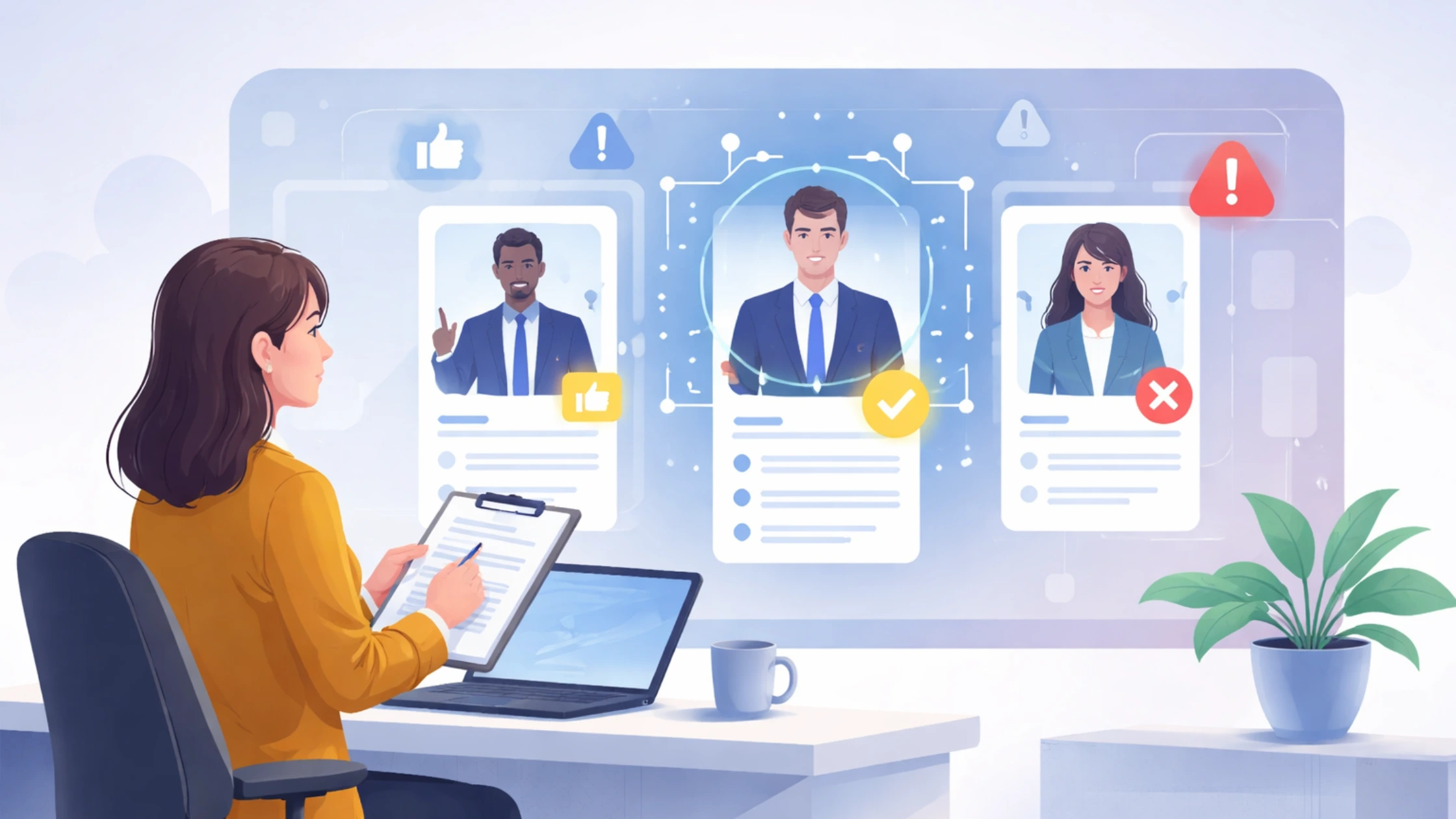
Make it clear where AI ends and human judgment begins. For example, let AI handle initial screenings and leave final decisions to HR professionals.
3. Monitor, Audit, and Improve AI Hiring
Just like any employee, AI tools require performance reviews. Regularly audit the effectiveness of AI algorithms and refine processes as needed.
4. Train Recruiters to Work with AI
Provide ongoing training for recruiters to become fluent in using AI tools. This ensures that AI complements human strengths rather than diminishing them.
Benefits of Human-AI Collaboration in Hiring
A growing number of organisations are embracing a hybrid hiring approach - merging AI recruitment tools with human expertise to create more agile and inclusive hiring systems.
By using AI for automation, data analysis, and candidate screening, companies can streamline their workflows and reduce time to hire. At the same time, human recruiters bring emotional intelligence, ethical oversight, and personal engagement to the process. This collaboration ensures that hiring decisions remain both data-driven and people-centred.
Case studies across various industries show improvements in candidate quality, cost efficiency, and employer branding when human and AI elements work together.
As hiring continues to evolve, businesses that adopt a balanced strategy are better equipped to attract top talent and adapt to future workforce challenges.
Preparing for the Future Human vs AI Workforce
As the AI workforce continues to evolve, preparing human talent to work with, not against, intelligent systems is no longer optional; it’s essential. The nature of recruitment and work itself is shifting, and organisations must be proactive in equipping their teams for this digital transformation.
1. Reskill to Stay Relevant
One of the most effective strategies for future-proofing your workforce is continuous reskilling and upskilling. Recruiters, HR professionals, and hiring managers should be trained in using AI recruitment, interpreting hiring analytics, and making data-informed decisions while maintaining empathy and ethics.
This includes developing new capabilities such as:
- Human-AI interaction management
- Ethical oversight of automated processes
- Critical evaluation of algorithmic recommendations
2. Redefine Roles in the Recruitment Team
The rise of AI in recruitment will shift human roles away from purely administrative tasks towards more strategic, advisory functions. Future recruiters may operate as:
- Talent strategists
- Candidate experience designers
- AI process auditors
Rather than fearing job loss, the focus should be on job transformation. The human role in recruitment isn’t disappearing; it’s becoming more nuanced and impactful.
3. Cultivate a Culture of Adaptability and Inclusion
Technology adoption must be accompanied by a cultural shift. Organisations should encourage openness to change, experimentation, and cross-functional learning. Teams that embrace innovation while maintaining human values will thrive in the new recruitment era.
Equally, it's vital to ensure AI integration doesn’t marginalise voices. Ethical hiring in the digital age must prioritise fairness, inclusivity, and transparency.
Conclusion
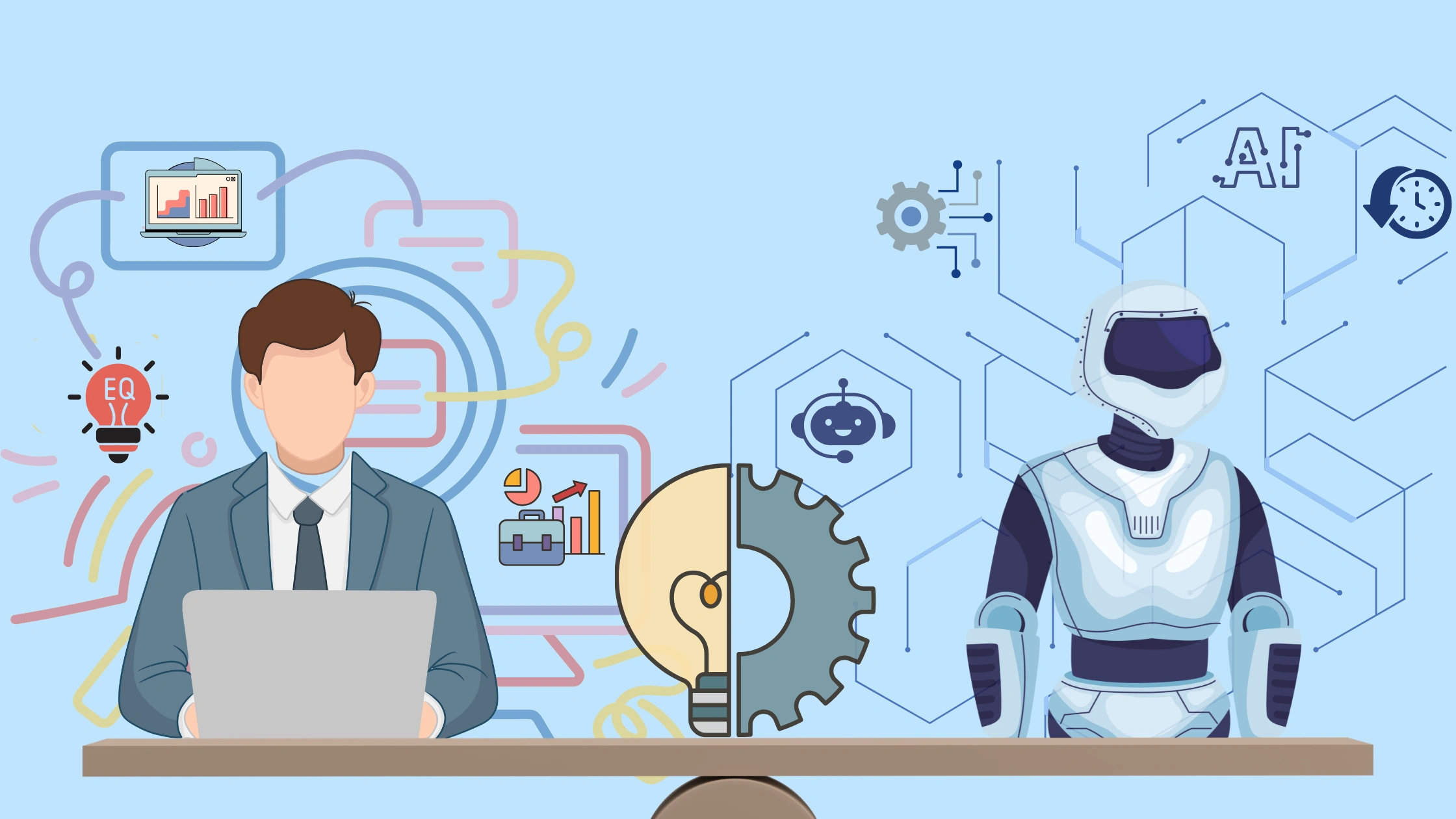
The debate between human vs. AI in hiring doesn’t have a winner, because it’s not a competition. It’s a collaboration. AI brings speed, efficiency, and consistency, while humans provide judgment, empathy, and strategic vision.
To achieve optimal hiring outcomes, organisations must balance human and AI in recruitment, integrating the best of both worlds. As we continue to navigate this evolving landscape, one thing remains clear: the future of hiring depends not on choosing sides but on forging partnerships between people and machines.
Frequently asked questions (FAQs)
1. What does Human vs AI workforce mean in hiring?
Human vs AI workforce in hiring refers to how recruiters and AI tools work together in the recruitment process. AI supports resume screening, scheduling, and data analysis, while human recruiters handle judgment, empathy, cultural fit, and final hiring decisions.
2. Can AI fully replace human recruiters?
No. AI can automate repetitive recruitment tasks, but it cannot fully replace human recruiters. Hiring still requires emotional intelligence, ethical judgment, relationship-building, and the ability to evaluate soft skills and cultural alignment.
3. How can organisations balance human and AI in recruitment?
Organisations can balance human and AI in recruitment by using AI recruitment tools for screening, scheduling, and analytics, while recruiters manage interviews, candidate engagement, bias checks, and final hiring decisions.
4. Why is human-AI collaboration important in hiring?
Human-AI collaboration improves hiring by combining AI’s speed and data accuracy with human empathy and decision-making. This helps organisations make faster, fairer, and more candidate-focused hiring decisions.
5. Is AI in hiring more cost-effective than traditional recruitment?
AI in hiring can be more cost-effective when used correctly. Recruitment automation can reduce manual work, speed up candidate screening, and help recruiters focus on higher-value tasks such as interviews and relationship-building.
About the Author