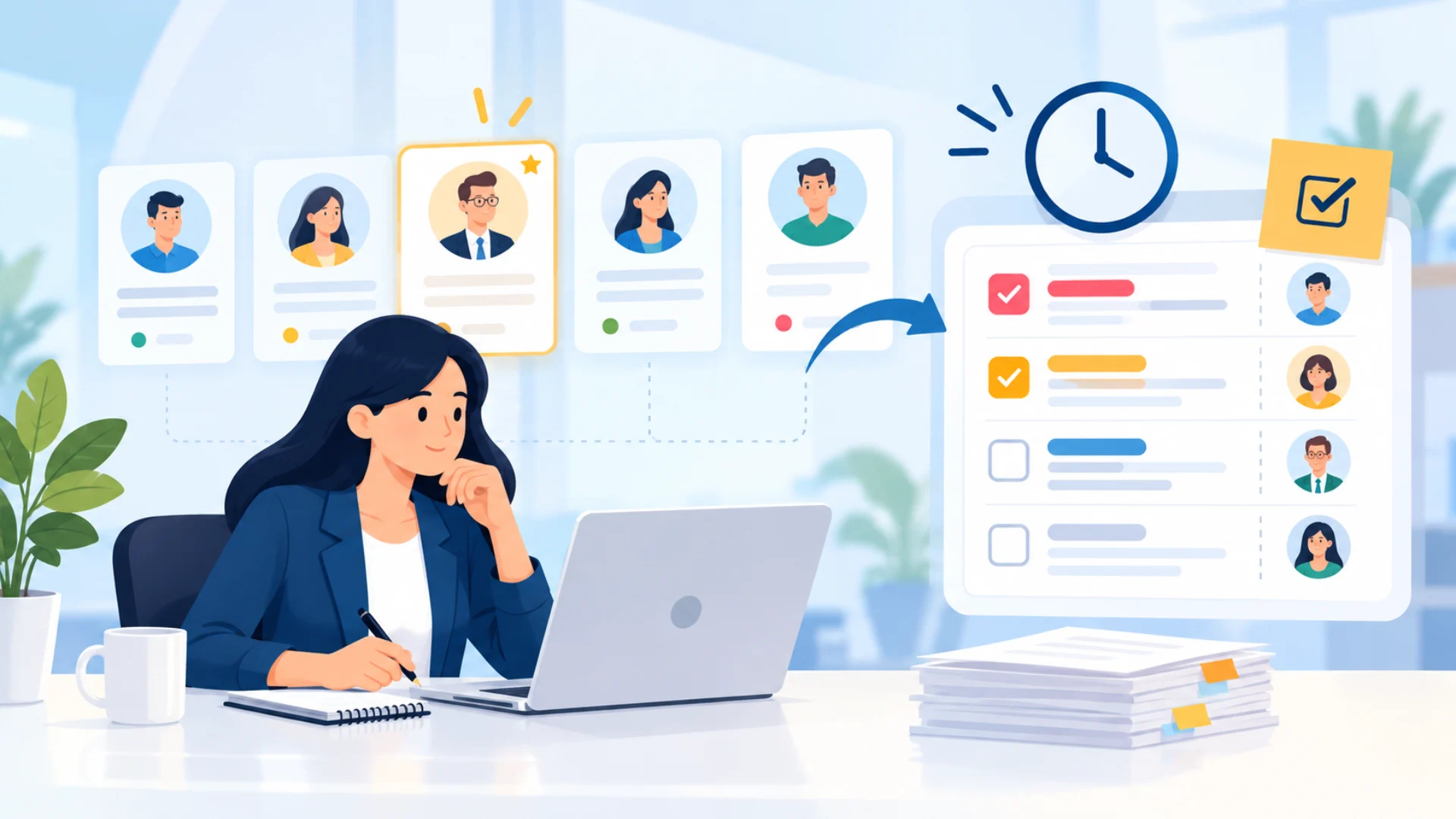

Recruiters today face a common challenge: too many applications, increasing hiring pressure, and not enough time to identify the right candidates. Manual processes often lead to longer hiring cycles, higher costs, and missed opportunities to secure top talent.
AI-powered staffing software offers a smarter solution. By automating repetitive tasks and improving candidate matching, it helps organizations hire faster, enhance recruitment quality, and free recruiters to focus on building stronger candidate relationships.
In this guide, you'll learn how to successfully integrate AI-powered staffing software, overcome common challenges, and maximize the return on your recruitment technology investment.
TL;DR
- AI-powered staffing software speeds hiring and improves candidate fit.
- Integrate in phases: data, workflows, assessments, and analytics.
- Focus on human oversight to prevent bias and protect candidate privacy.
- Measure ROI via time-to-hire, quality-of-hire and cost-per-hire metrics.
- Use vendor APIs and single sign-on to reduce disruption to teams.
- Train teams on change management and new interview workflows.
- Start with pilots and scale after validating outcomes and governance.
Why AI-powered staffing software matters for recruitment teams
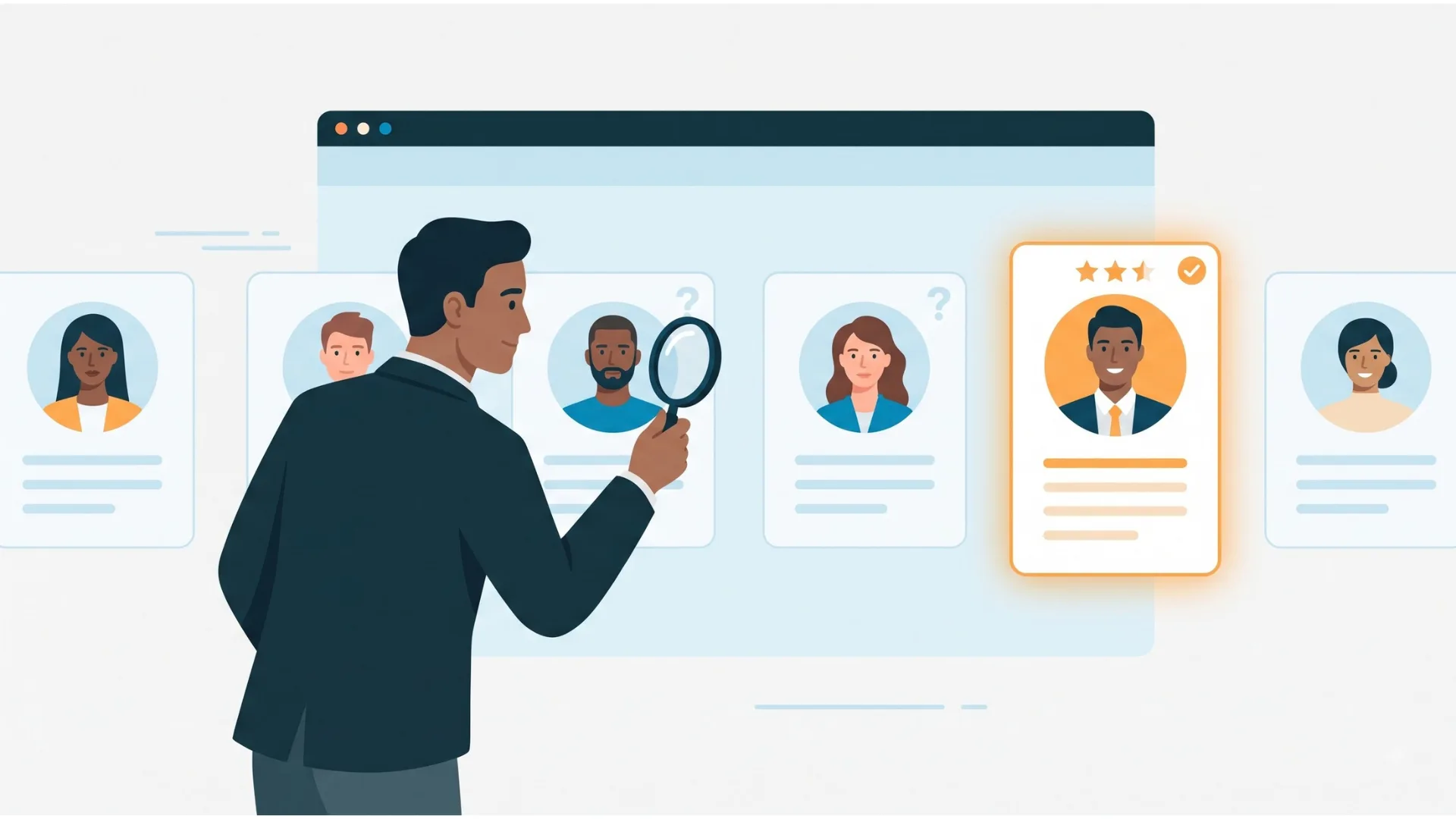
Organisations face two recurring recruitment problems: the volume of applicants and the mismatch between resumes and real-world performance. AI-powered staffing software helps recruiters handle both by automating repetitive tasks, improving candidate matching and surfacing high-potential talent earlier in the funnel. For hiring teams, the benefit is not just speed but also better decision quality that scales across roles and locations.
What is AI-powered staffing software?
AI-powered staffing software combines recruitment workflows with machine learning models to automate sourcing, screening, matching and scheduling. It integrates with applicant tracking systems, job boards and assessment platforms to deliver end-to-end automation. The software can rank candidates, parse skills, suggest interview questions and predict role fit based on historical hiring outcomes.
Real-world impact and credible metrics
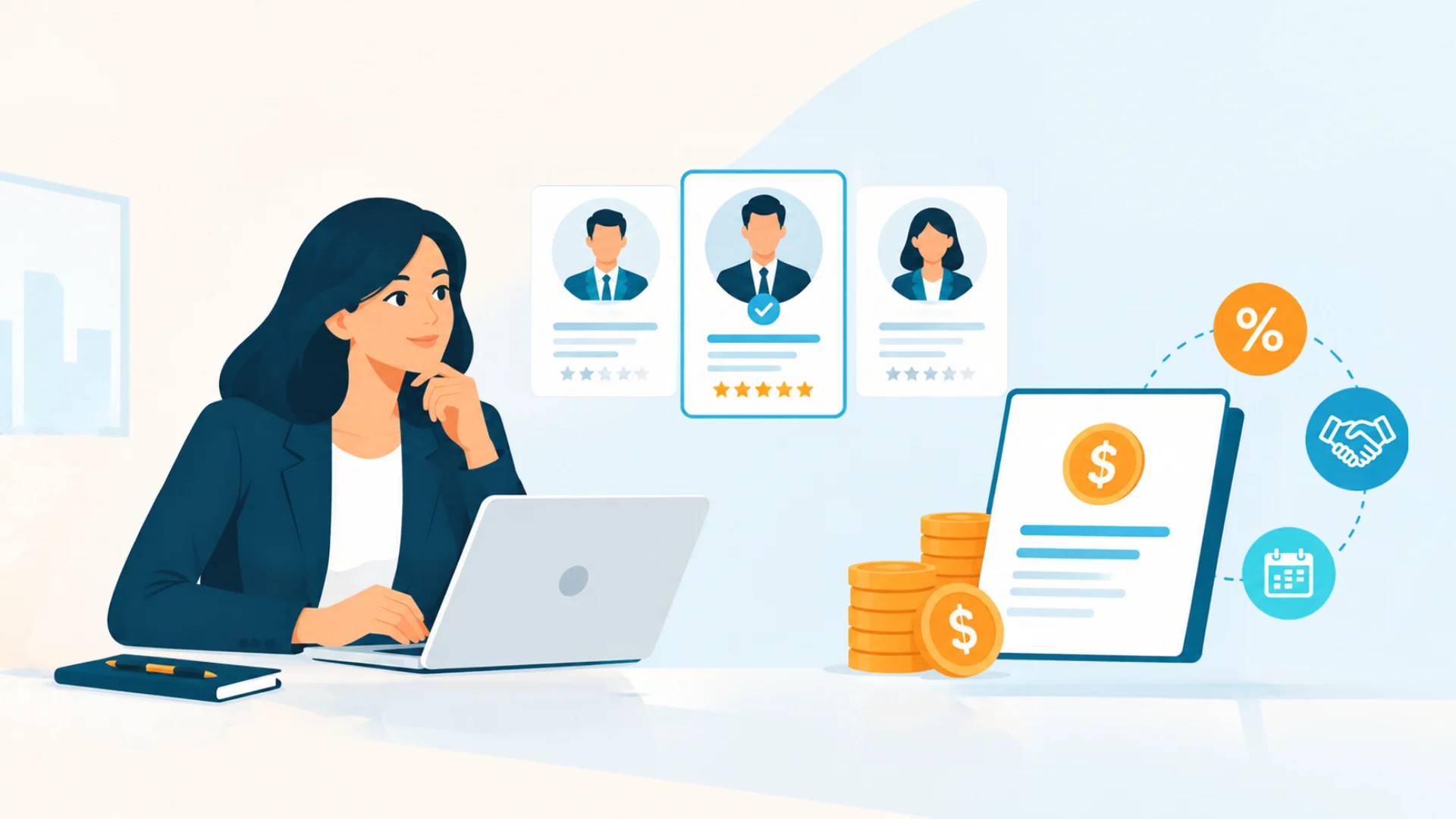
Organisations using AI in hiring report measurable improvements. For example, AI can reduce time-to-hire by around a third and increase offer acceptance when candidate matching is more accurate. Firms that invest in intelligent staffing tools often see improved recruiter productivity, freeing staff to focus on relationship-building and strategic sourcing. Research by industry analysts suggests automation can reduce screening effort by over 50 percent while maintaining or improving quality-of-hire.
How to plan integration of AI-powered staffing software
Successful integration is mostly about planning and governance. Follow a phased approach that aligns with your HR strategy and technology landscape.
1. Define objectives and success metrics
Start by specifying what you need the software to achieve. Common objectives include reducing time-to-hire, improving candidate quality, lowering agency spend and enhancing candidate experience. For each objective assign measurable KPIs such as time-to-fill, quality-of-hire scores, offer acceptance rate and cost-per-hire.
2. Audit data and systems
AI models need clean, structured data. Audit your applicant tracking system and recruitment sources for data completeness and consistency. Identify gaps in fields such as skills, experience, assessment scores and interview outcomes. Ensure you have permission to use historical data for model training and assess data retention policies for privacy compliance.
3. Select vendors and integration methods
Choose vendors that support open APIs, single sign-on and common data standards. Look for an ecosystem approach where the AI layer complements your existing ATS rather than replacing it outright. Ask for references and case studies that demonstrate results in similar industries or role types.
4. Pilot before broad rollout
Run a pilot on a specific hiring segment such as technical roles or customer service. Pilots let you validate model recommendations, measure recruiter acceptance and test candidate feedback. A typical pilot phase includes baseline measurement, model tuning and an agreed governance process for exceptions.
5. Address governance and ethics
Implement a clear governance framework for model transparency, bias monitoring and candidate consent. Use human oversight on automated shortlists and provide appeal processes for rejected candidates. Consider third-party audits for fairness and bias when models influence hiring decisions significantly.
Technical integration best practices
Integration is as much about architecture as it is about people. The following technical practices reduce friction and accelerate value delivery.
Use API-first vendors
APIs allow you to connect AI capabilities to your ATS, HRIS and scheduling tools. API-first vendors make it straightforward to synchronise candidate data, send notifications and record interview outcomes. This reduces manual copying and creates a single source of truth for hiring data.
Leverage event-driven workflows
Event-driven architecture triggers actions automatically for events such as new applicants, rejected offers or completed assessments. For example, when a candidate applies, the system can automatically score the profile, schedule an initial screen and notify the recruiter. These micro-automations improve speed without removing human judgement.
Secure integration and compliance
Ensure data is encrypted at rest and in transit. Use role-based access controls and log activity for audit trails. Verify that the vendor complies with applicable data protection regulations and supports data subject requests. Candidate trust is equally important to technical compliance.
Operational changes recruiters should expect
Introducing AI will change daily workflows. Prepare your teams and adjust processes to get the most value from technology.
Shift from manual screening to strategic work
Recruiters will spend less time on CV parsing and more time on candidate engagement, employer branding and strategic sourcing. The software handles repetitive tasks while recruiters manage relationships and complex decision-making.
New interview and assessment workflows
AI-powered staffing software can suggest interview frameworks, recommend role-specific assessments and flag skill gaps. Create standardised interview guides so hiring managers evaluate candidates against the same criteria across the business.
Upskill teams on analytics
Recruitment teams need basic analytics skills to interpret model outputs. Training should cover how candidate scores are generated, what thresholds mean and how to investigate edge cases. This understanding helps recruiters trust the technology and use it responsibly.
Measuring ROI and continuous improvement
To prove value, track KPIs before, during and after implementation. Key metrics include time-to-fill, offer acceptance, quality-of-hire and recruiter productivity. Also measure candidate experience through NPS or survey responses.
Use A/B testing and holdout groups
Run A/B tests where some roles use AI-driven shortlists and others follow the traditional process. Holdout groups help you isolate the impact of the AI on hiring outcomes and reduce risk during rollout.
Iterate on model inputs
Model performance improves with better labelled data. Capture interviewer feedback and hiring manager assessments consistently so models learn from real hiring decisions. Periodically retrain models and monitor drift in performance metrics.
Common pitfalls and how to avoid them
- Blind trust in scores: Treat model outputs as recommendations not final decisions. Keep humans in the loop for final hires.
- Insufficient data quality: Poor inputs lead to poor outputs. Invest in data cleansing and consistent field usage.
- Ignoring compliance: Failing to address privacy and consent can expose the organisation to risk. Document data usage and provide opt-outs.
- Poor change management: Introduce technology without training and you will see low adoption. Provide practical training and clear FAQs for recruiters and hiring managers.
"Technology magnifies good processes. Start with a clear hiring process and use AI to scale it, not to replace it entirely."
Case study examples
Example 1: A mid-sized technology firm integrated AI-powered staffing software with their ATS. By automating initial screening and interview scheduling they reduced time-to-hire by 30 percent and doubled recruiter capacity. They maintained human oversight for final interviews which preserved hiring quality.
Example 2: A customer service outsourcer used AI to match language and soft skills to client requirements. The system suggested assessments and available training modules for borderline candidates. The result was a 20 percent improvement in first-month job performance and a drop in early attrition.
These examples show practical benefits while reinforcing the need for governance and measurement.
Conclusion
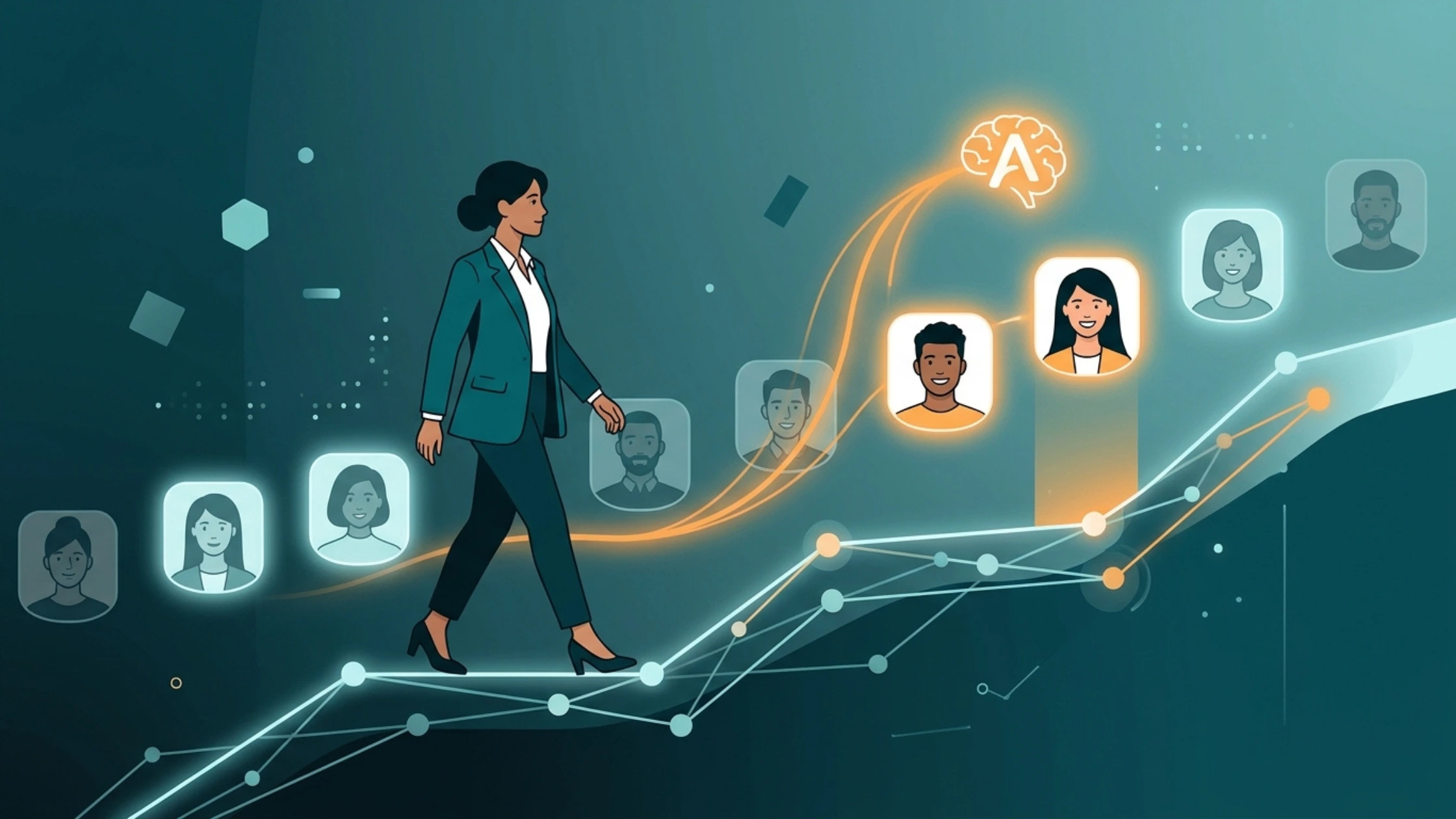
AI-powered staffing software is not a silver bullet but a strategic tool for smarter talent acquisition. When integrated thoughtfully it accelerates hiring, improves candidate match and frees recruiters for higher-value work. Start with clear objectives, pilot carefully, address governance and invest in change management to capture real value.
_(1260_×_300px).webp.dat)
FAQs - Frequently Asked Questions
1. Will AI replace recruiters?
No. AI-powered staffing software automates repetitive tasks and augments recruiter capabilities. Recruiters remain essential for candidate relationships, complex decision-making and cultural fit assessments.
2. How do we prevent bias in AI hiring tools?
Prevent bias by auditing training data, using diverse feature sets, monitoring model outcomes across demographic groups and maintaining human review for critical decisions. Consider independent audits for added assurance.
3. How long does integration typically take?
Integration timelines vary with complexity. A focused pilot can launch in a few weeks while full enterprise rollout may take several months. Prioritise critical integrations first and expand in phases.
4. Is candidate data safe with AI vendors?
Choose vendors with strong security controls, encryption and compliance with relevant privacy laws. Review contracts for data ownership, retention and breach notification clauses.
5. What metrics should we track first?
Start with time-to-fill, quality-of-hire, recruiter productivity and candidate satisfaction. Use A/B testing to isolate the impact of the AI and adjust based on those insights.
6. How do we get hiring managers on board?
Engage hiring managers early, show practical benefits, share pilot results and provide concise guides on interpreting AI recommendations. Demonstrating time savings and quality improvements helps secure buy-in.
7. Where can I learn more about vendor options?
Assess vendors by capability, integration options and industry references. For vendor-neutral insights consider analyst reports and peer reviews. For hands-on trials, request sandbox access to test integrations with your ATS.
About the Author