


Hiring the right people has never been more competitive or more complex. As of 2026, the global recruitment market is valued at approximately $968 billion, with the online segment alone reaching $64.66 billion this year and forecast to hit $132 billion by 2032.
Organisations are no longer relying on single agencies or ad-hoc recruiter relationships. Instead, they are turning to recruitment marketplaces: centralised platforms that connect employers with multiple recruiters, agencies, and talent partners simultaneously.
The shift makes sense. Over 45% of employers currently struggle to find qualified candidates, and time-to-fill remains a top hiring concern across industries. Meanwhile, 87% of companies now use AI-powered recruiting tools, and platforms that combine recruiter networks with AI matching are delivering measurable gains in both speed and candidate quality.
This guide covers what a recruitment marketplace is, why it matters in 2026, the top 10 platforms to consider, and how to choose the right one for your organisation.
TL;DR
- Recruitment marketplaces connect employers with multiple recruiters to streamline hiring processes.
- By 2026, trends like AI-human balance, skills-based hiring, and flexible recruitment are shaping the industry.
- Top marketplaces include Upwork, Toptal, SEEK, and others offering diverse specialities and global reach.
- Choosing the right platform involves assessing hiring needs, platform reach, technology, user experience, and cost.
What Is a Recruitment Marketplace?
A recruitment marketplace is a digital platform that connects employers with external recruiters, recruitment agencies, or independent talent partners. Similar to how an e-commerce marketplace brings together multiple sellers in one place, a recruiter marketplace allows organisations to engage with several recruiters simultaneously through a single, centralised hub.
Unlike traditional recruiting, which typically involves manually sourcing and negotiating with individual agencies, a recruitment marketplace provides:
- Transparency over recruiter activity and pipeline progress
- Access to a broader talent network, including niche or hard-to-fill specialisms
- Flexible pricing models, often pay-per-hire rather than fixed retainers
- Faster candidate flow, since multiple recruiters can source for the same role at once
Traditional agencies typically charge 15% to 30% of the first-year salary per hire, amounting to $15,000 to $35,000 per placement. Marketplace models, by contrast, often offer flat fees, hourly rates, or performance-based arrangements that shift the financial risk away from the employer.
Why Recruitment Marketplaces Matter for Hiring in 2026
The recruitment landscape is poised for dynamic changes driven by economic recovery, technological innovation, and evolving workforce priorities. As we approach 2026, several trends are shaping the future of recruitment:
-
Balancing AI with Humanity: Combining AI efficiency with genuine human interaction enhances personalisation and empathy in hiring.
-
Skills-Based Hiring: Prioritising adaptable skills over job titles fosters diversity and prepares for evolving workforce needs.
-
Flexibility in Recruitment: Embracing models like embedded recruitment and contingent talent allows organisations to adapt to volatile market dynamics.
-
Community-Led Recruitment: Building authentic connections with candidates through talent communities and proactive engagement is becoming increasingly important.
-
Upskilling for AI: Bridging the digital skills gap by equipping recruiters with tools and training for an AI-driven recruitment landscape is essential.
These trends highlight the growing importance of the recruitment marketplace, as organisations navigate skills-based hiring and flexible workforce models while gaining faster access to top-tier talent without the limitations of traditional recruiting methods.
Top 10 Recruitment Marketplace Platforms for Employers in 2026
1. Upwork
Website: https://www.upwork.com/en-gb/
Founding Year: 1999
Headquarters: Santa Clara and San Francisco, California
Specialities: Freelance marketplace, Remote work platform, Talent acquisition, Project management, Online staffing
2. Toptal
Website: https://www.toptal.com/
Founding Year: 2010
Headquarters: A fully remote company with no dedicated headquarters
Specialities: Freelance Software Development, Design, Finance, Product Management, Project Management, Marketing
3. SEEK

Website: https://www.seek.com.au/
Founding Year: 1997
Headquarters: Melbourne, Australia
Specialities: Employment Services, Job Searching, and Company Reviews
4. Recruiter.com Marketplace

Website: https://go.recruiter.com/recruiter-marketplace
Founding Year: 2010
Headquarters: New York, United States
Specialities: On-Demand Recruiting Solutions, Flexible Talent Acquisition Services
5. Hiring Hub

Website: https://www.hiring-hub.com/
Founding Year: 2010
Headquarters: Manchester, United Kingdom
Specialities: Recruitment Marketplace, Recruitment Agency Management, Online Recruitment Platform
6. Bounty Jobs

Website: https://bountyjobs.com/
Founding Year: 2006
Headquarters: Austin, TX; New York, NY
Specialities: Third-party Recruitment Platform; Employer and Recruitment Agency Collaboration; Recruitment Process Optimisation
7. CBREX Marketplace
Website: https://www.cbr.exchange/
Founding Year: 2013
Headquarters: Bengaluru, Karnataka, India
Specialities: Recruiting Network, International Hiring, Recruit Tech, B2B Marketplace
8. Spottabl

Website: https://www.spottabl.com/
Founding Year: 2017
Headquarters: Bengaluru, Karnataka, India
Specialities: Recruitment, SaaS, Machine Learning
9. Recruitment Technology Marketplace
Website: https://rectec.io/marketplace/
Founding Year: 2019
Headquarters: London, England
Specialities: Recruitment Technology Solutions, Applicant Tracking Systems (ATS), Recruitment CRM Comparison Services, Consulting Services
10. Recruiting Hub
Website: https://www.recruitinghub.com/
Founding Year: 2016
Headquarters: England, UK
Specialities: Recruitment, Staffing, Online Recruitment Marketplace
Recruitment Marketplace vs Traditional Recruitment Agency: A Quick Comparison
| Factor | Recruitment Marketplace | Traditional Agency |
| Recruiter access | Multiple recruiters simultaneously | Single agency per brief |
| Pricing model | Pay-per-hire, flat fee, or hourly | Retainer or % of salary (15-30%) |
| Transparency | High, with real-time tracking | Variable |
| Speed | Faster candidate flow from multiple sources | Depends on agency capacity |
| Flexibility | On-demand, scale up or down | Fixed contracts common |
| Niche capability | Depends on marketplace network | Strong for specialist agencies |
| Control | Employer retains more control | Agency leads the process |
How to Choose the Best Recruitment Marketplace
Selecting the right platform requires more than comparing headline features. Here is a practical framework to guide the decision.
Assess Your Hiring Needs:
Define the types of roles you need to fill, the seniority levels involved, and whether your requirements are ongoing or project-based. A platform strong in freelance tech talent will not serve the same needs as one built for permanent corporate roles.
Platform Reach and Network:
Assess the platform's network of recruiters and the diversity of industries and roles they cover, particularly how well it supports lead search capabilities for niche or high-demand positions.
Technology and Integration:
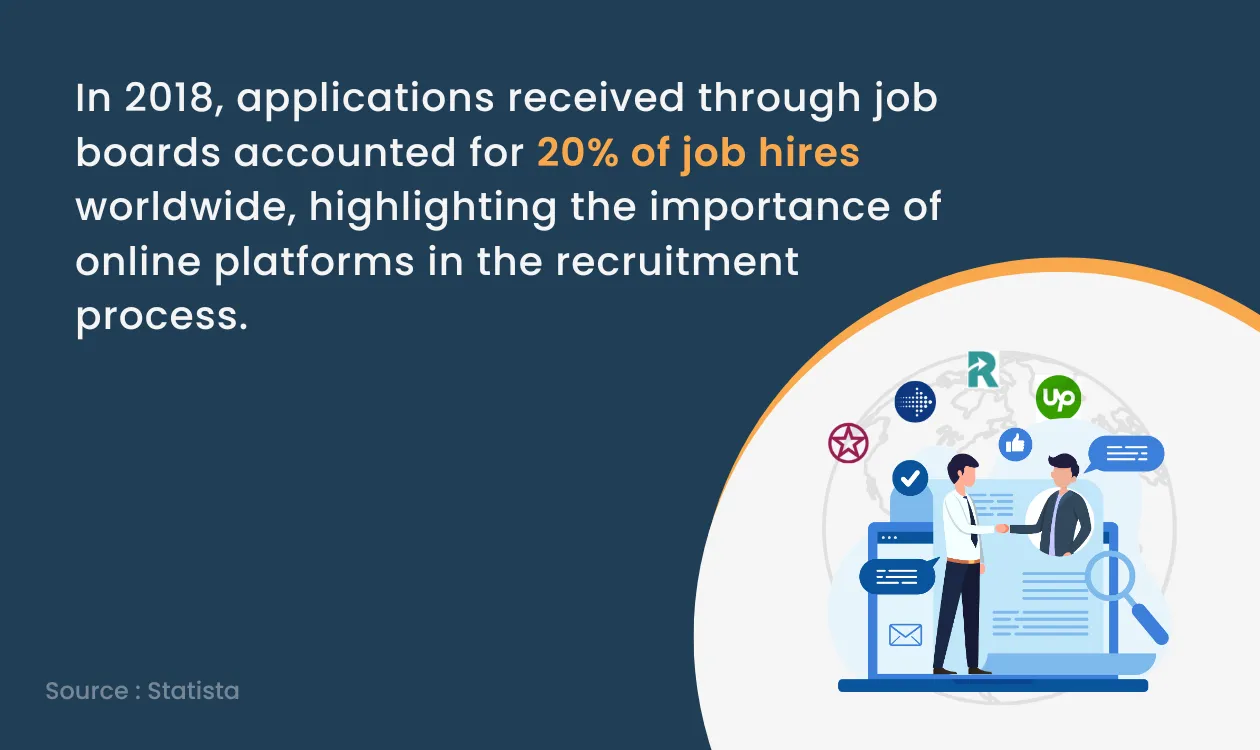
Ensure the platform utilises advanced technology, such as AI, to match candidates effectively and integrate seamlessly with your existing recruitment system.
Test the User Experience:
A platform that is difficult to navigate will slow adoption across your HR team and recruiting partners. Most marketplaces offer demos or trial access. Use them before committing.
Review the Pricing Model:
Understand whether you are paying per hire, per recruiter hour, or through a subscription. Compare these costs against your current cost-per-hire, which SHRM's benchmarking data puts at $5,475 for non-executive roles and $35,879 for executive hires. A marketplace that reduces agency fees or shortens time-to-fill can deliver significant ROI.
Look at Support and Reporting:
Analytics on recruiter performance, source-of-hire data, and pipeline conversion rates help you make better decisions over time. Platforms that provide strong reporting tools give you the evidence to continuously improve your hiring process.
Conclusion
Recruitment marketplaces have moved from a niche alternative to a mainstream component of modern talent acquisition strategy. As the online recruitment platform market continues growing at double-digit rates, organisations that adopt these tools are better positioned to hire faster, reduce costs, and access the specialist recruiter networks that traditional methods cannot match.
The right platform will depend on your hiring volume, the types of roles you fill, your geographic footprint, and how much flexibility you need in your resourcing model. Use the comparison above as a starting point, then trial one or two platforms before committing at scale.
If you are also considering upgrading the technology that supports your internal recruitment process, explore how a modern applicant tracking system can complement your marketplace strategy by centralising candidate data and improving hiring team collaboration.
Frequently Asked Questions (FAQs)
1. What exactly is a recruitment marketplace?
A recruitment marketplace is an online platform that connects employers with multiple recruiters, recruitment agencies, or talent partners. It helps businesses access a wider talent pool, manage hiring relationships, and fill roles faster through one central platform.
2. Why are recruitment marketplaces important?
Recruitment marketplaces are becoming important because businesses need faster, more flexible, and skills-based hiring solutions. These platforms combine recruiter networks, AI-powered matching, and on-demand recruiting support to help companies hire efficiently.
3. How do I choose the best recruitment marketplace for my business?
To choose the best recruitment marketplace, evaluate your hiring needs, recruiter network quality, industry coverage, technology integrations, user experience, pricing model, and customer support. The right platform should match your hiring volume, budget, and talent requirements.
4. Does using a recruitment marketplace reduce hiring time?
Yes. A recruitment marketplace can reduce hiring time by connecting employers with multiple recruiters, improving candidate sourcing, and using technology such as AI matching. This helps companies find qualified candidates faster while improving hiring efficiency.
About the Author




.webp)