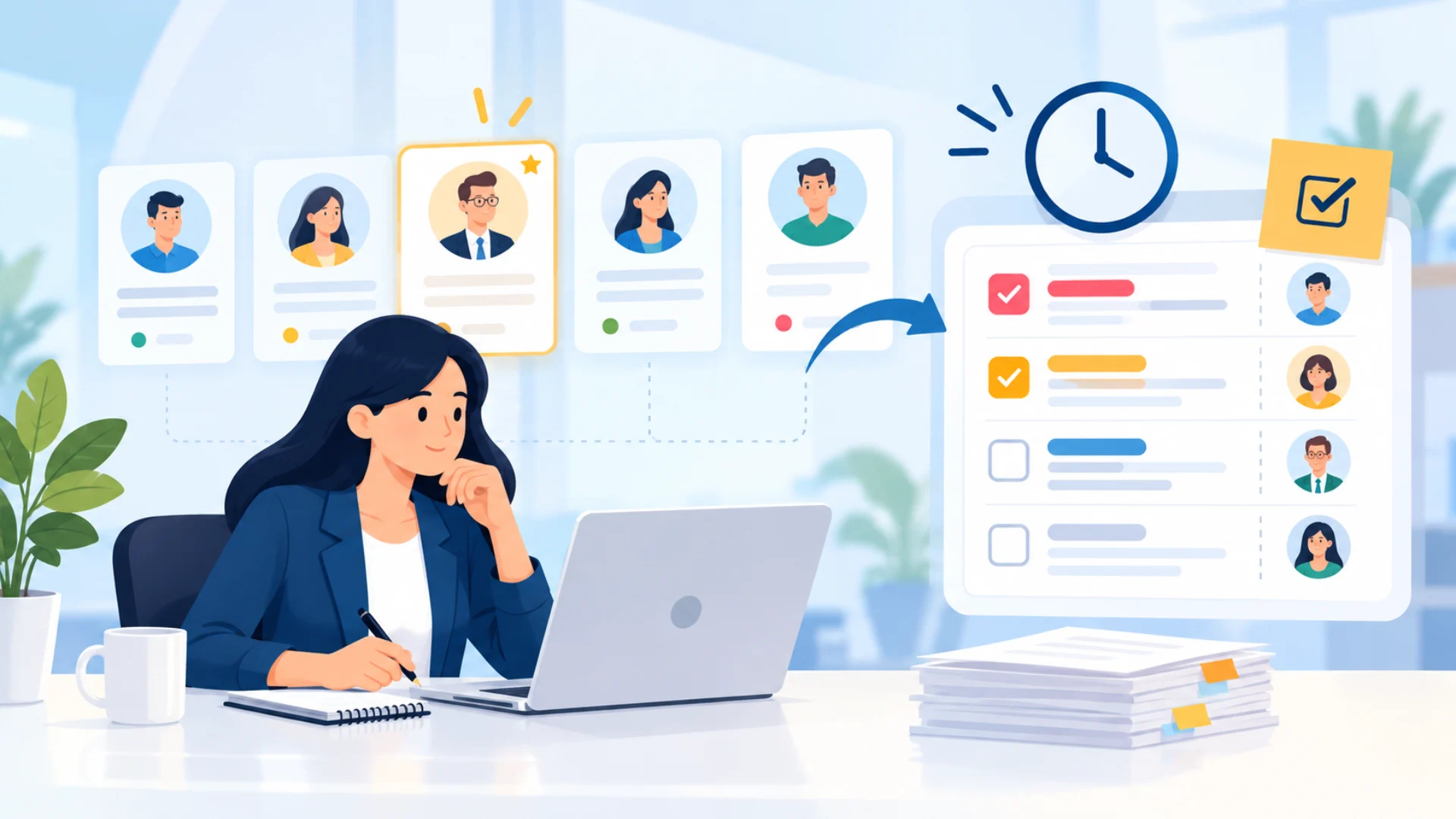

Artificial Intelligence (AI) is transforming recruitment faster than ever before. As organizations compete for top talent in an increasingly competitive job market, recruiters are turning to AI-powered technologies to improve hiring efficiency, enhance candidate experiences, and make more informed recruitment decisions. From automating resume screening to predicting future hiring needs, AI is helping HR teams streamline every stage of the recruitment process.
In 2026, AI is no longer just an emerging trend it has become an essential part of modern talent acquisition. Organizations are using AI to reduce manual workloads, identify high-potential candidates, improve diversity and inclusion efforts, and deliver personalized candidate engagement at scale. At the same time, recruiters continue to play a vital role by combining AI-driven insights with human judgment to assess cultural fit, build relationships, and make final hiring decisions.
TL;DR
- AI is transforming recruitment by automating repetitive hiring tasks and enabling recruiters to make faster, data-driven decisions.
- AI-powered resume screening, skills-based hiring, predictive workforce analytics, and intelligent candidate matching are becoming standard recruitment practices.
- AI chatbots, automated interview scheduling, and virtual assessments improve the candidate experience while reducing administrative work.
- Organizations are increasingly using AI to support diversity initiatives, reduce hiring bias, and strengthen employer branding.
- Human recruiters remain essential for evaluating cultural fit, emotional intelligence, and final hiring decisions.
- A balanced human-AI recruitment strategy helps organizations hire smarter, improve efficiency, and remain competitive in the evolving talent market.
By 2026, AI will have revolutionised recruitment processes across industries. Key trends include AI-driven resume screening, skills-based hiring prioritising potential over pedigree, predictive workforce analytics forecasting talent needs, AI-powered chatbots for candidate engagement, interactive virtual assessments, automated interview scheduling, enhanced diversity monitoring, and hybrid human-AI hiring models. These technologies increase efficiency, reduce bias, and improve candidate experience while requiring a balance with human judgement to maintain fairness and trust.
How AI is Redefining Recruitment in 2026
The recruitment sector is undergoing one of its most significant transformations thanks to artificial intelligence technologies. In 2026, AI is not just a tool but an integrated partner at every stage of talent acquisition, powered by advanced AI/ML Development Services that help recruiters move faster, make better decisions, and achieve greater accuracy.
According to recent research, 62﹪ of large employers have incorporated AI into at least one phase of recruitment, a strong leap from 24﹪ in 2020. This trend signals a strategic shift in how organisations attract, assess and select candidates.
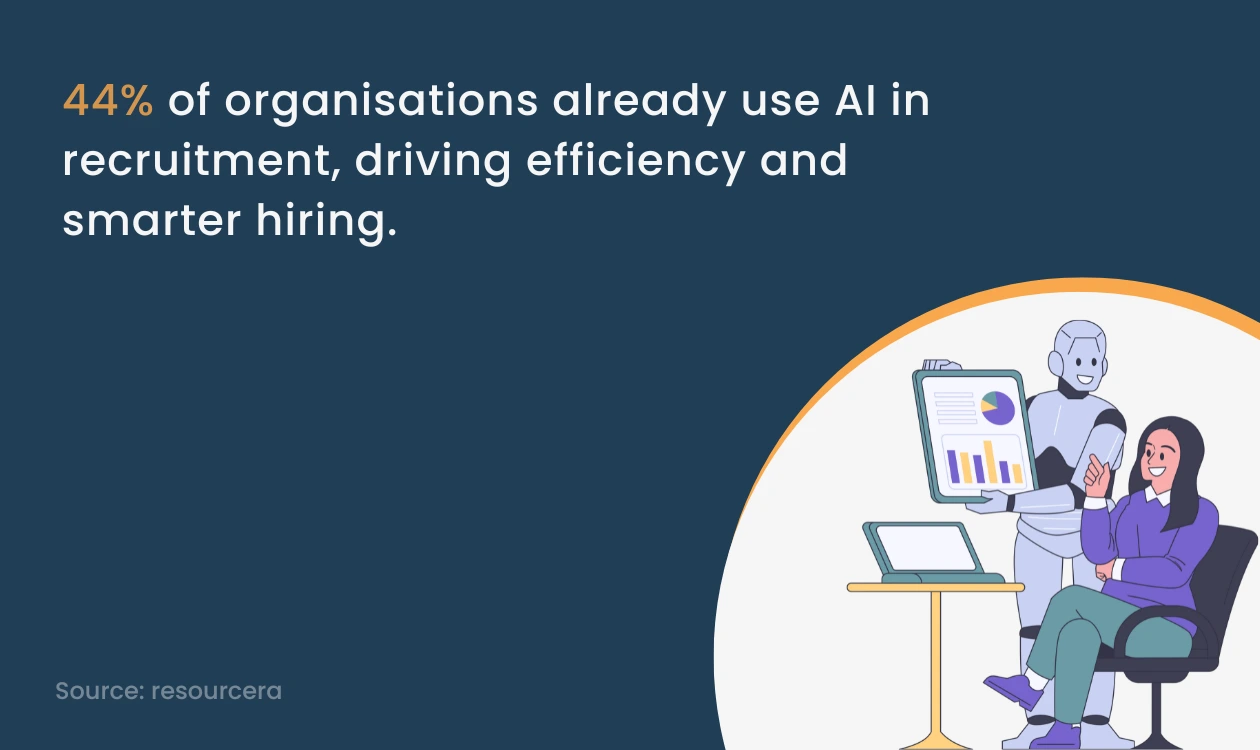
In fact, approximately 44﹪of organisations already use AI for recruitment or talent acquisition, reflecting a steady rise in adoption as companies recognise its efficiency and data-driven benefits.
Top 10 AI Trends Transforming Recruitment in 2026
1. AI-Driven Resume Screening
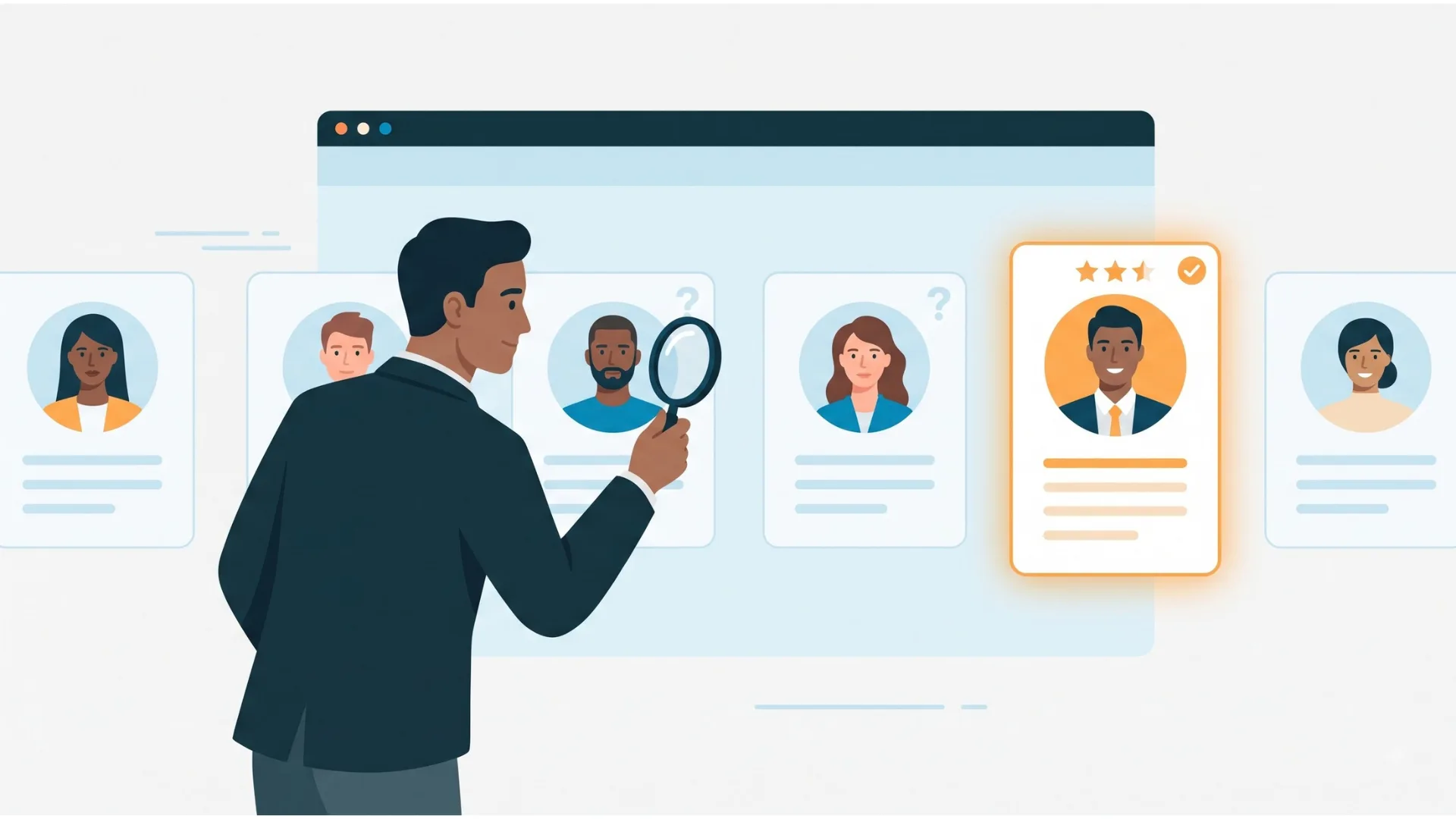
Resume screening is one of the most time-consuming stages of recruitment. AI-powered screening tools can analyze thousands of resumes within minutes, identifying candidates whose qualifications, skills, and experience closely match job requirements.
Unlike traditional keyword filtering, modern AI solutions use semantic analysis to understand candidate profiles more accurately. This helps recruiters discover qualified candidates who may have been overlooked using manual screening methods.
Benefits include:
- Faster resume screening
- Improved candidate matching
- Reduced administrative workload
- Better hiring accuracy
- Shorter time-to-hire
2. Skills-Based Hiring and Potential Over Pedigree
Organizations are shifting away from evaluating candidates solely based on degrees or previous employers. Instead, AI helps recruiters assess practical skills, competencies, and future potential.
AI-powered assessments analyze coding abilities, communication skills, problem-solving capabilities, and job-specific competencies, allowing organizations to identify candidates who can succeed regardless of their educational background.
This approach promotes fairer hiring, improves workforce diversity, and enables organizations to discover high-potential talent from broader candidate pools.
3. Predictive Workforce Analytics
Predictive analytics enables organizations to anticipate future hiring needs before vacancies occur.
AI analyzes historical recruitment data, employee turnover, workforce performance, market trends, and business growth plans to forecast talent requirements. This allows HR teams to develop proactive recruitment strategies instead of reacting to unexpected hiring demands.
Organizations using predictive workforce analytics can:
- Identify future skill gaps
- Improve succession planning
- Build stronger talent pipelines
- Optimize recruitment budgets
- Support long-term workforce planning
4. AI-Powered Candidate Engagement & Chatbots
AI chatbots have become valuable recruitment assistants that provide instant support to candidates throughout the hiring journey.
They answer frequently asked questions, recommend suitable positions, provide application updates, schedule interviews, and collect preliminary candidate information all while remaining available 24/7.
AI-powered communication improves candidate engagement by delivering faster responses and reducing application abandonment rates.
Meanwhile, recruiters can dedicate more time to relationship building and strategic hiring activities.
5. Automated Interview Scheduling
Coordinating interviews between recruiters, hiring managers, and candidates often creates unnecessary delays.
AI scheduling tools automatically identify mutually available time slots, send invitations, manage calendar updates, and issue reminders without manual intervention.
Automating interview scheduling helps organizations:
- Reduce scheduling conflicts
- Accelerate recruitment timelines
- Improve candidate experience
- Minimize administrative work
- Increase recruiter productivity
6. Interactive and Virtual Assessments
Traditional assessments are evolving into more engaging and practical evaluation methods.
AI-powered recruitment platforms now offer interactive assessments, gamified testing, virtual simulations, coding challenges, and role-specific exercises that measure both technical and soft skills.
These assessments provide deeper insights into candidates' abilities while creating a more engaging recruitment experience.
Recruiters can evaluate:
- Critical thinking
- Problem-solving
- Communication
- Leadership potential
- Technical expertise
- Adaptability
7. Bias Reduction and Diversity Monitoring
One of AI's greatest opportunities is supporting fairer recruitment decisions.
When designed responsibly, AI can help standardize candidate evaluations, reduce unconscious bias, and identify diversity gaps throughout the hiring process.
Organizations increasingly monitor AI-driven recruitment systems to ensure compliance with employment regulations and ethical hiring standards.
Regular audits, transparent algorithms, and human oversight remain essential to maintaining fairness and building candidate trust.
8. Hybrid Human-AI Hiring Models
Despite rapid advances in AI, recruitment continues to require human judgment.
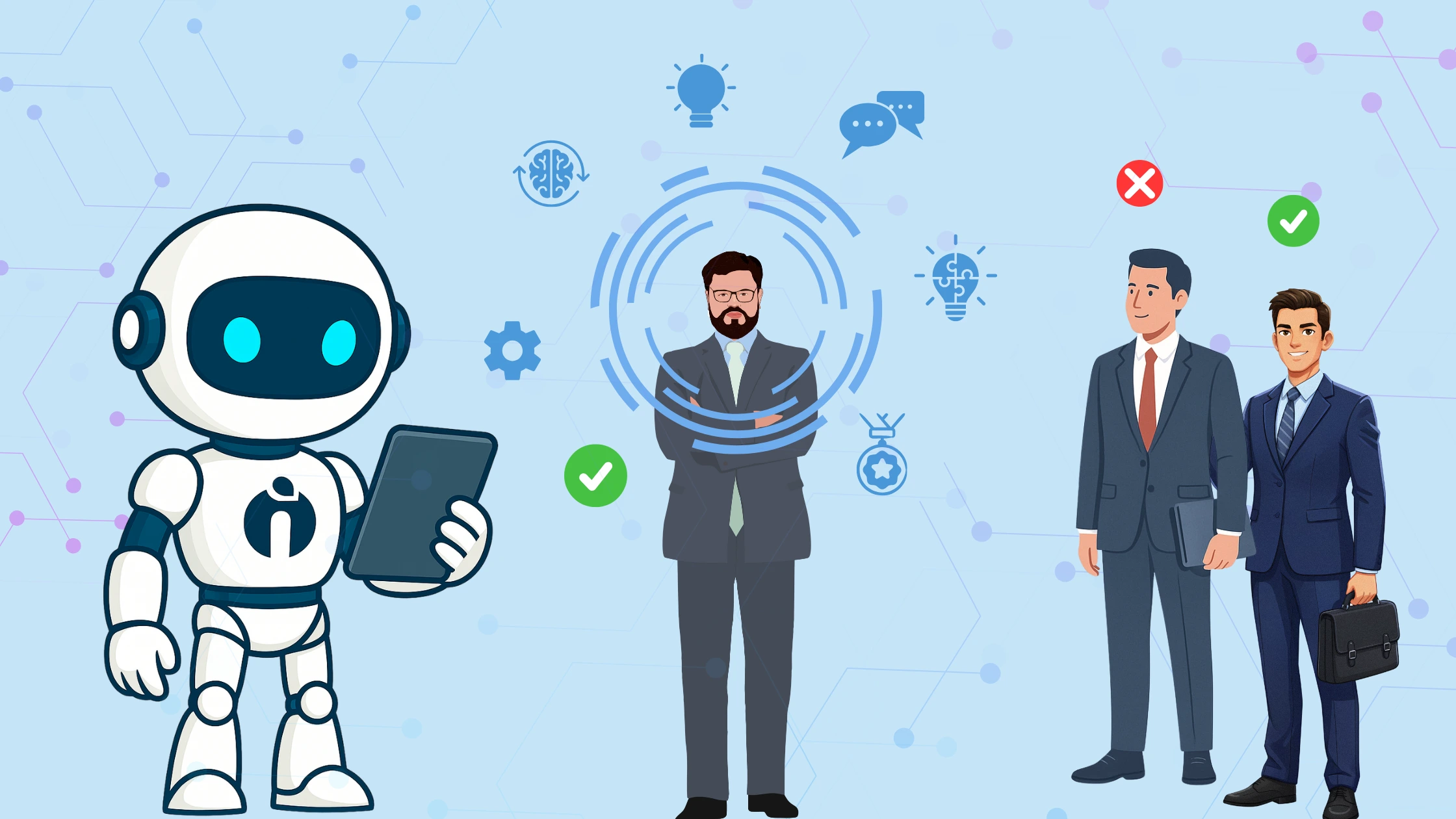
Most organizations now follow hybrid hiring models where AI manages repetitive, data-intensive tasks while recruiters focus on interviewing, relationship building, and evaluating cultural fit.
This collaborative approach combines:
- AI speed and efficiency
- Data-driven insights
- Human empathy
- Better hiring decisions
- Improved candidate experience
Hybrid recruitment delivers greater accuracy while maintaining the personal interactions candidates expect during the hiring process.
9. AI for Employer Branding and Candidate Insights
AI analyses large datasets from social media, job boards, and employee reviews to help companies understand how they are perceived by candidates, tailoring employer branding and recruitment marketing strategies effectively.
By analyzing data from career websites, social media platforms, employee reviews, and recruitment campaigns, AI provides insights into candidate preferences and employer reputation.
These insights enable recruiters to:
- Improve recruitment marketing
- Personalize candidate communication
- Optimize job advertisements
- Strengthen employer branding
- Increase application quality
Understanding candidate behavior allows organizations to develop recruitment strategies that attract the right talent more effectively.
10. Compliance and Data Privacy Management
As AI adoption increases, organizations must ensure recruitment processes remain secure, ethical, and legally compliant.
Modern AI recruitment platforms assist HR teams by managing candidate consent, maintaining secure records, supporting data privacy regulations, and documenting recruitment decisions.
Strong governance helps organizations:
- Protect candidate information
- Meet privacy regulations
- Improve recruitment transparency
- Reduce compliance risks
- Build candidate trust
Responsible AI adoption requires continuous monitoring, regular compliance reviews, and clear communication about how candidate data is collected and used.
Real Examples and Industry Insights
Several global organizations have successfully integrated AI into their recruitment processes while maintaining human involvement.
For example, companies like Unilever use AI-powered screening and online assessments to efficiently identify qualified candidates before conducting interviews with hiring managers. This approach helps reduce recruitment time while maintaining a positive candidate experience.
Similarly, IBM combines AI-driven candidate assessments with structured interviews to improve hiring consistency and support fair evaluation processes.
Glassdoor reports nearly half of job seekers distrust AI-driven hiring, fearing dehumanisation. This insight underlines the necessity of transparent communication about AI’s role and the retention of human interaction in hiring.
Industry research also highlights that although many candidates appreciate faster recruitment experiences, some remain concerned about fully automated hiring decisions. Organizations that clearly explain how AI supports not replaces human decision-making are more likely to build candidate trust.
Studies have also shown that AI-assisted screening can improve interview selection accuracy while helping recruiters process significantly larger applicant volumes without compromising hiring quality.
Implementing AI Trends: Best Practices for Recruiters and HR Teams
Successfully adopting AI requires thoughtful implementation rather than replacing existing recruitment processes overnight.
Recruiters should begin by using AI for repetitive administrative tasks such as resume screening, interview scheduling, and candidate communication before expanding its role.
Key best practices include:
- Introduce AI gradually into recruitment workflows.
- Keep recruiters involved in final hiring decisions.
- Regularly audit AI systems for fairness and accuracy.
- Train recruitment teams on responsible AI usage.
- Clearly explain AI's role to candidates.
- Continuously monitor recruitment performance and candidate feedback.
A balanced approach ensures AI enhances recruitment efficiency while preserving transparency, fairness, and meaningful human interaction.

Conclusion
Artificial intelligence is reshaping recruitment by helping organizations hire faster, make more informed decisions, and deliver better candidate experiences. From resume screening and predictive analytics to virtual assessments and automated communication, AI enables recruiters to focus on strategic, people-centered aspects of hiring while reducing administrative work.
However, successful recruitment in 2026 isn't about replacing recruiters with technology it's about combining AI's speed and analytical capabilities with human judgment, empathy, and relationship-building skills. Organizations that adopt this balanced approach will be better equipped to attract top talent, improve hiring quality, and remain competitive in an evolving workforce.
FAQs - Frequently Asked Questions
1. How does AI improve the recruitment process in 2026?
AI enhances recruitment by automating repetitive tasks such as resume screening and interview scheduling, enabling predictive analytics for workforce planning, and providing interactive assessments that reveal deeper candidate insights.
2. Will AI replace human recruiters by 2026?
No. AI is a tool that supports recruiters by handling routine tasks. Human judgement remains critical for evaluating cultural fit, nuanced skills, and maintaining candidate relationships.
3. How can companies reduce bias in AI recruiting?
By using carefully designed, transparent AI systems monitored regularly for bias and by combining AI with human oversight during key hiring decisions.
4. What are some examples of AI tools used in recruitment in 2026?
Examples include AI resume screeners, chatbots for candidate engagement, virtual and gamified assessments, predictive analytics platforms, and automated scheduling tools.
5. How should companies communicate AI’s role in their hiring?
They should be transparent with candidates about what decisions AI supports and where humans remain involved, ensuring ethics and trust are maintained throughout the process.
About the Author