

Recruitment has evolved rapidly in the digital era. Traditional hiring methods are being replaced by modern recruitment strategies that use digital tools, AI-driven screening, and data insights to improve hiring efficiency.
As competition for talent grows, organizations are adopting modern recruitment trends such as online interviews, employer branding, and digital onboarding. These digital recruitment trends help companies attract, hire, and retain top talent more effectively.
TL;DR
- Modern recruitment uses AI, digital tools, and data-driven strategies to make hiring faster and more efficient.
- AI and chatbots help automate resume screening, candidate communication, and interview scheduling.
- Online interviews and digital hiring processes allow companies to evaluate candidates remotely and reduce hiring time.
- Employer branding and company reputation are critical for attracting top talent in today’s competitive job market.
- Digital onboarding and passive candidate sourcing help organizations improve employee experience and expand their talent pool.
What Is Modern Recruitment?
Modern recruitment is a technology-driven hiring approach that uses digital tools, automation, and data insights to improve how organizations attract, evaluate, and hire candidates. Unlike traditional recruitment methods that rely on manual processes, modern recruitment focuses on efficiency, better candidate experience, and long-term talent retention.
Today, companies use modern recruitment strategies such as AI-powered screening, online interviews, employer branding, and digital onboarding platforms to streamline hiring and identify the best candidates more quickly.
Why Modern Recruitment Matters Today
Organizations often say that employees are their greatest asset, yet many still struggle to attract and retain the right talent. In a competitive job market, relying on outdated hiring methods can lead to slow recruitment processes, poor candidate experiences, and costly hiring mistakes.
According to LinkedIn Talent Insights, 66% of recruiters say it has become harder to find qualified candidates, highlighting the growing challenges organizations face when trying to hire efficiently and compete for skilled professionals.
.webp.dat)
As a result, companies are increasingly adopting modern recruitment strategies that leverage technology, digital tools, and data-driven insights to streamline hiring, improve candidate experience, and attract higher-quality talent.
Top Modern Recruitment Trends in the Digital Age
Modern hiring practices are evolving rapidly as organizations adopt new technologies and candidate-focused strategies. To stay competitive, companies must move beyond traditional recruitment methods and embrace modern recruitment trends that improve hiring efficiency, candidate experience, and long-term employee retention.
From AI-powered screening tools to digital onboarding platforms, these trends are transforming how businesses discover, evaluate, and hire talent in the digital age.
1. AI in Modern Recruitment
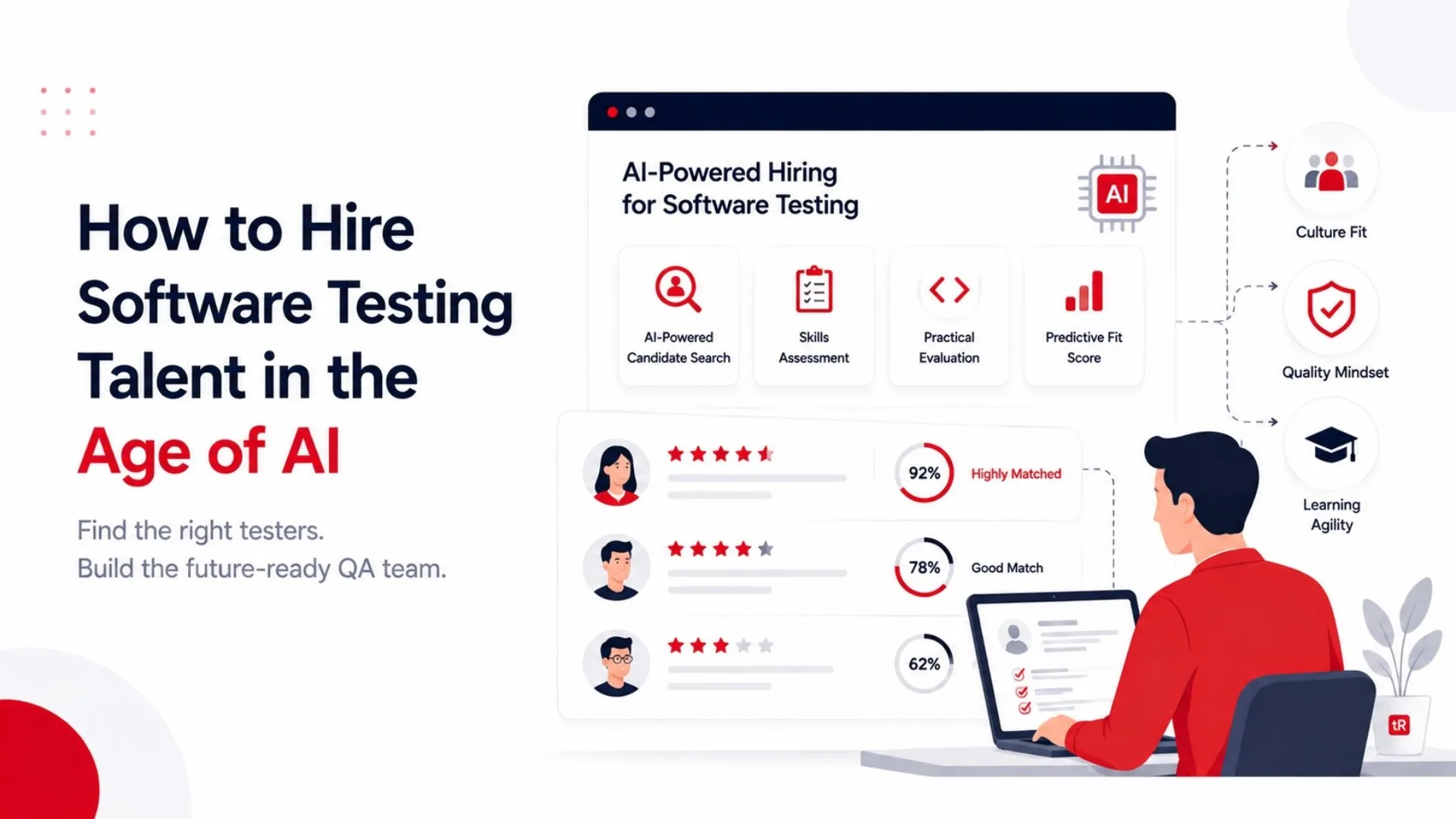
Artificial Intelligence (AI) has become one of the most influential modern recruitment trends. Organizations are increasingly using AI-driven tools to automate repetitive hiring tasks, analyze candidate data, and improve recruitment decision-making.
AI can quickly screen resumes, evaluate candidate profiles, and identify the most suitable applicants for a role. By analyzing large volumes of applications, AI tools help recruiters focus on qualified candidates while reducing the time spent on manual screening.
Many companies also use AI-powered chatbots in recruitment. Chatbots can answer candidate questions, guide applicants through the hiring process, and schedule interviews automatically. This improves candidate engagement while allowing recruiters to focus on strategic hiring decisions.
AI tools can also reduce unconscious bias by using structured data and predefined criteria to evaluate candidates more objectively.
By combining automation, data analysis, and intelligent communication tools such as chatbots, AI helps organizations make faster, more efficient hiring decisions while improving the overall candidate experience.
2. Online Interviews and Virtual Hiring
Interviews on Zoom, Skype, etc., are not a new thing entirely but they have become widely accepted since the coronavirus hit the world preventing us from attending meetings in person. This way of scheduling interviews saves time for both recruiters and candidates.
Not only is it more convenient since all parties need a stable internet connection to join the interview, but it is also cost-effective as candidates don't need to pay for travel expenses and postpone numerous obligations to arrive on time.
Online interviews allow recruiters to gain an insight into who potential candidates are and also enable them to quickly end the meeting if necessary.
3. Employer Branding and Brand Reputation
Employer branding plays a crucial role in attracting and retaining top talent. In today's job market, candidates often research a company’s reputation before applying for a position.
Studies show that around 75% of candidates research a company online before submitting a job application. Reviews on platforms such as Glassdoor, employee testimonials, and social media presence can strongly influence their decision.
Modern job seekers, particularly Millennials and Gen Z professionals, are often more interested in a company’s values, work culture, and mission than salary alone. They prefer organizations that demonstrate transparency, social responsibility, and opportunities for professional growth.
Companies that invest in building a strong employer brand are more likely to attract high-quality candidates and strengthen long-term employee retention.
4. Digital Onboarding Platforms for New Hires
When you manage to attract and hire top candidates, the effort doesn't stop there. The new employee will need time to settle in and acclimate and it is the company's task to make that easier for them.
The onboarding process can be challenging and can lead many new hires to think they've made a bad decision accepting the job. On the other hand, a company may be dissatisfied with the new hire's slow progress.
As mentioned earlier, bad hires are very costly and so are replacements. Instead of allowing this to happen over and over again, there are practices to adopt to minimize onboarding issues and make the whole process smoother.
Developing digital or paperless onboarding platforms can help new hires ease into their roles and boost their productivity.
Using digital tools to improve the onboarding process saves time and helps them settle in and become productive much faster. AI image-to-video can also help create engaging onboarding content from existing training materials. This could be, for example, a platform with frequently asked questions and explanations in the form of videos. Each company should develop a program that best suits them.
5. Hiring Passive Candidates
Candidates who are actively seeking a job should not be the only pool of talents you look into. Passive candidates can be employees who would be willing to change their career or company but aren't actively looking at job posts and applying.
They could also be satisfied employees who might be tempted by what you offer if they have a chance to hear about it.
Modern recruitment doesn't neglect passive candidates and seeks a way to approach them. Targeting a wider pool of candidates, including those who may or may not be actively looking for a change, and surpassing their current benefits will make your company a more attractive employer.
6. Candidate Experience in Modern Recruitment
Candidate experience has become a major focus in modern recruitment. Job seekers expect a transparent, efficient, and respectful hiring process.
Long application forms, poor communication, and slow hiring decisions can discourage candidates and damage an employer’s reputation.
Organizations that prioritize candidate experience focus on clear communication, timely feedback, and simplified application processes. A positive hiring experience increases the likelihood that candidates will accept offers and recommend the company to others.
Improving candidate experience also strengthens employer branding and helps organizations attract stronger applicants.
7. Skills-Based Hiring
Many organizations are shifting toward skills-based hiring, where candidates are evaluated based on their practical abilities rather than solely on academic degrees or job titles.
Employers increasingly assess portfolios, project work, certifications, and real-world problem-solving skills during the recruitment process.
This approach allows companies to identify capable candidates who may have gained their expertise through non-traditional career paths.
Skills-based hiring expands the talent pool and helps organizations build more diverse and capable teams.
Conclusion
Modern recruitment continues to evolve as organizations adopt new technologies and strategies to attract and hire the best talent. From AI-powered screening and online interviews to strong employer branding and digital onboarding, companies are transforming how they approach hiring.
By following these modern recruitment trends, businesses can improve hiring efficiency, enhance the candidate experience, and make better talent decisions. As digital tools and data-driven hiring become more common, organizations that adapt to digital recruitment trends will be better positioned to compete for top talent.
Platforms like iSmartRecruit support this transformation by helping recruitment teams streamline hiring workflows, manage candidates more effectively, and adopt modern digital hiring practices.

Frequently Asked Questions (FAQs)
1. What is modern recruitment
Modern recruitment is a technology-driven hiring approach that uses digital tools, AI, and data analytics to improve hiring efficiency. It focuses on better candidate experience, faster hiring processes, and attracting high-quality talent through structured and data-driven recruitment strategies.
2. What are the key modern recruitment trends?
Key modern recruitment trends include AI-powered candidate screening, virtual interviews, stronger employer branding, digital onboarding platforms, and engaging passive candidates. These trends help organizations streamline hiring and attract skilled professionals more effectively.
3. How does AI improve modern recruitment?
AI improves modern recruitment by automating tasks like resume screening, candidate matching, and interview scheduling. It helps recruiters analyze large volumes of candidate data quickly, identify qualified applicants, and reduce time-to-hire.
4. Why is employer branding important in recruitment?
Employer branding helps organizations attract qualified candidates by showcasing company culture, values, and employee experience. A strong employer brand increases application rates and encourages top talent to consider working for the company.
5. What are the benefits of digital recruitment tools?
Digital recruitment tools help automate hiring processes, manage candidates efficiently, and improve communication with applicants. They support online interviews, structured screening, and faster decision-making for recruiters.
About the Author