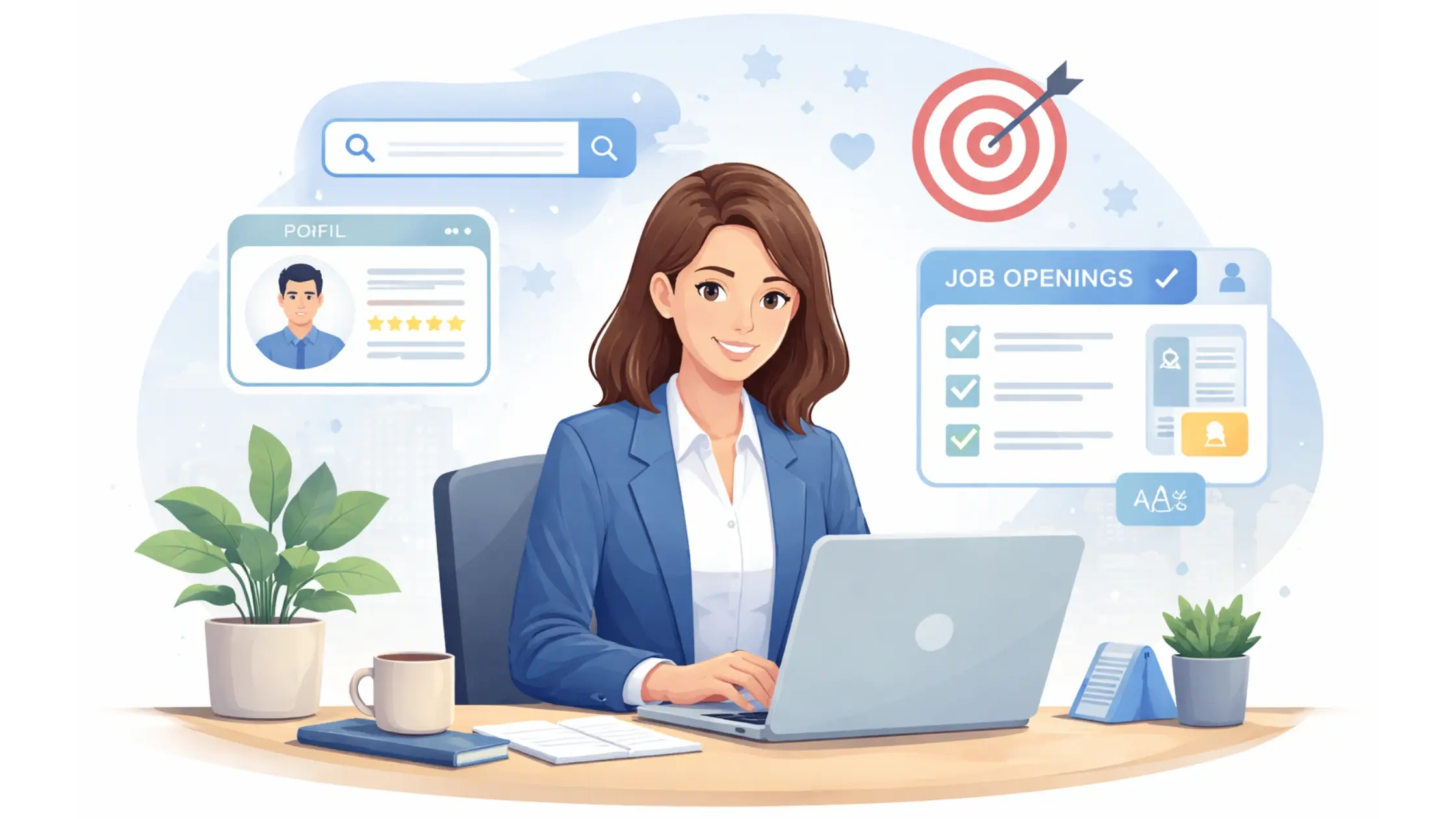

The HR profession has transformed significantly. Where HR managers were once primarily administrators, they are now strategic partners, culture builders, technology adopters, and the primary link between an organisation's people and its goals.
Succeeding in this role requires far more than a degree and an organised filing system. The most effective HR professionals combine interpersonal intelligence with analytical capability, technological fluency with human empathy, and strategic thinking with day-to-day operational precision.
This guide covers the 15 most essential HR manager skills for success in 2026 and how to develop them throughout your career.
TL;DR
- Successful HR managers combine strong communication, relationship-building, and decision-making skills with technological fluency and emotional intelligence.
- Adaptability and continuous learning are non-negotiable in a rapidly evolving HR landscape shaped by new technology, changing workforce expectations, and shifting compliance requirements.
- Practical upskilling through certifications, soft skills training, and modern recruitment tools accelerates career growth and hiring effectiveness.
- Digital literacy and a solution-focused mindset have become foundational skills for HR professionals in organisations of every size.
Why HR Manager Skills Matter More Than Ever
HR professionals now operate at the intersection of people, technology, and business strategy. The decisions they make, who to hire, how to develop teams, when to escalate conflict, and how to retain top talent, directly influence organisational performance and culture.
The challenges are also more complex. Global hiring, multigenerational workforces, rapid technology adoption, hybrid working models, and evolving employment legislation all demand a broader and more sophisticated skill set than previous generations of HR managers required.
Building and continuously refining these skills is what separates HR professionals who fill a functional role from those who genuinely shape an organisation's future by strategically developing and planning its workforce.
.webp.dat)
How to Become Successful in the HR Profession?
With the whole world going digital, HR managers or recruiters are also stepping ahead to adopt these new emerging technologies, whether it's managing data on the cloud using an advanced HR system, scheduling interviews with AI tools, screening processes, etc. There are many different, crucial aspects of being an all-rounder and successful recruiter, but these are important for different reasons. There are many HR professionals' skills that help to deliver the best fit for the organization.
1. Effective Communication
The HR professionals must have exceptional communication skills. When you have a job that only deals with humans, it becomes paramount for any HR professional to have strong communication skills. HR managers need to use this skill in various settings because of the growing globalization of modern workplaces. They also need it to communicate across multiple generations of employees to resolve employees' conflicts and lead meetings to correspond through various media and technology firms.
2. Relationship Building
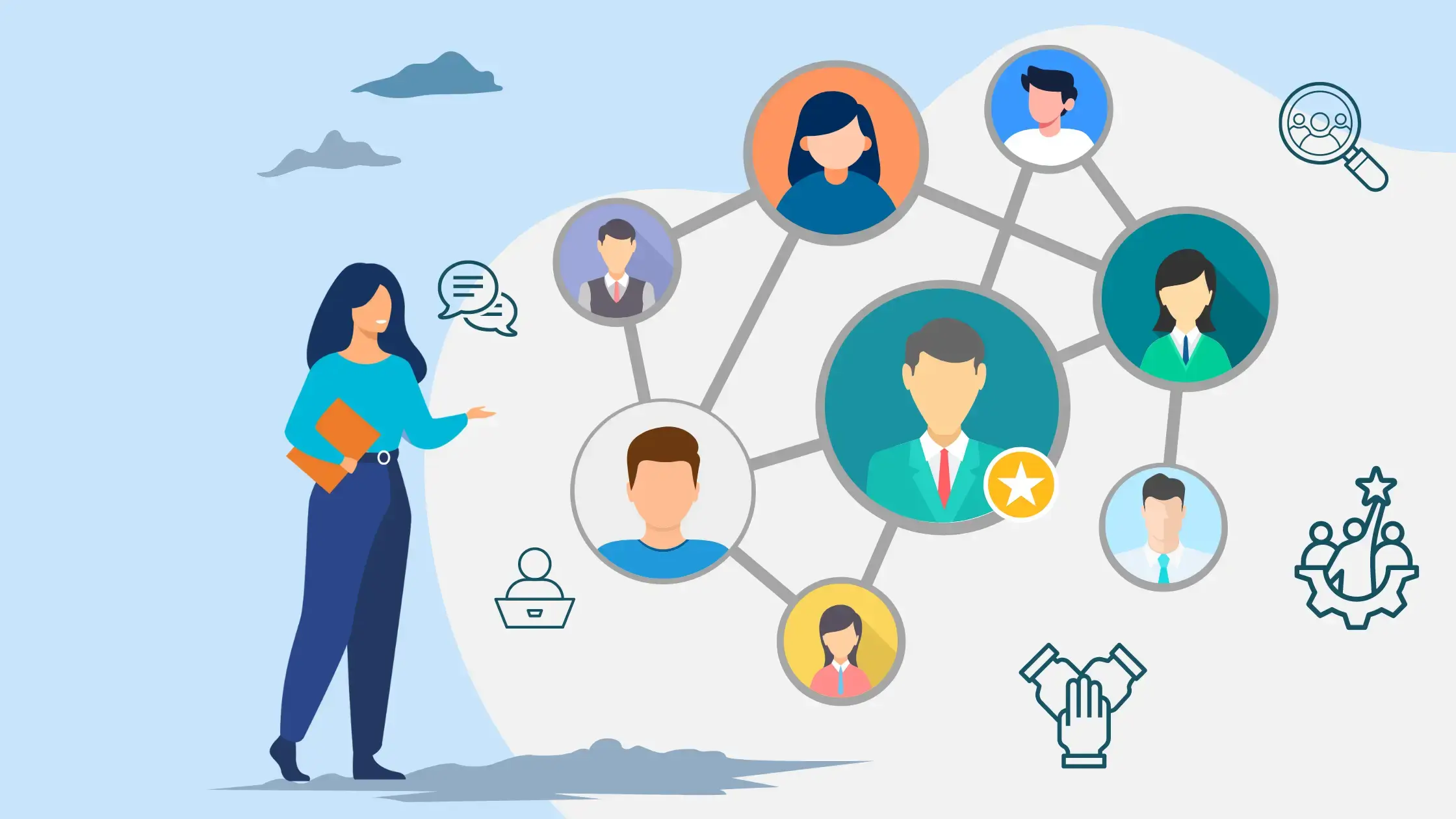
Effective HR does not happen in isolation. The HR function relies on trust, and trust is built through consistent, genuine relationships with employees, teams, and leadership across the organisation.
Relationship-building skills allow HR managers to understand what is actually happening in their teams rather than relying solely on formal reporting. They create the psychological safety employees need to raise concerns, share feedback, and engage with development opportunities.
Inclusive relationship-building is particularly important. HR managers who actively create welcoming environments for diverse individuals, and introduce policies that reflect that commitment, build stronger, more cohesive organisations over time.
3. Strong Decision-Making
In HR professionals, a lot of decision-making is involved. One of the best examples to understand this is during the recruitment process. The HR professionals have to decide whether a candidate is a perfect fit for the role. Selecting the right talent is not something you can easily do and learn. It requires strategy, experience, and knowledge to read human behavior.
Another example is facing the dilemma of downsizing. It will be part of the HR professional's role to get the message across efficiently, even during a crisis. All HR managers must be the right decision-makers to support crucial organizational functions like these.
4. Technology Proficiency
In this digital era, HR managers need the ability to adapt to new technologies. HR professionals are expected to manage a variety of duties that includes:
1. Recruiting talented employees
3. Managing onboarding and training for new hires
4. Tracking payroll
5. Handling employee grievances
Technological skills give HR professionals an edge while managing the above duties.
5. Continuous Learning Drive
Learning is a never-ending process. This holds for any HR professional. Surviving in this competitive market demands better management, support, growth, and development. Enhancing your knowledge in the Human Resource Management field and applying it to new HR trends will always help you stay updated.
6. Flexible Adaptability
The business world is changing every day. And HR professionals cannot get too comfortable but adapt themselves to the changing times. These changes will allow HR managers to rethink their current company policies and adopt new, more relevant, and effective ones. To develop a healthy work environment, HR Professionals must come up with new tactics to keep the employees engaged and invest themselves in finding ways to retain them.
7. Effective Negotiation
Successful recruiters must be good at negotiating because they have to be both confident and persuasive to communicate with candidates. Negotiating skill is useful both at work and in their personal life, as it can make anyone's day-to-day life more pleasant and more beneficial. Strong negotiation skills could mean promotions, pay rises, new clients, and a perfect candidate who can help the organization grow.
8. High Emotional Intelligence Skills
This skill is crucial for recruiters because it helps them know how well successful people relate to and understand others and how well they empathize with them. This skill is essential because they have to work as part of a team, or their job requires networking. Emotional intelligence will help HR professionals secure clients, deals and get along effectively with their co-workers. An excellent way to enhance your emotional intelligence is to put yourself in the other person's shoes.
9. Innovative Work Concepts
The recruitment world is all about newness in your hiring style. If you shut your doors for new things, there can never be room for evolution. As in the HR profession, you must ensure perfect working conditions in your workplace; this can only happen when you know which trends are prevailing in other companies and industries. Start attending HR meetups, learn more about other companies and ambitions, and widen your vision and approaches. This will also help HR professionals to expand their horizons on global trends as well. Through this, HR professionals can exchange their ideas and discuss new concepts. It will evolve and reflect the evolution at their workplace.
10. Inspiring Leadership
We know the HR profession comes with a lot of opportunities. As in the HR profession, you are the one who will interact with every employee more than anyone in the organization. When your job gives you so many opportunities to touch different lives and people, have a persona, and set an example. Be an inspiration for your employees and for those candidates whom you meet daily. This will change the convention that HR is an auxiliary department, but actually, HR is the backbone of any organization.
11. Solution-Focused Mindset
HR professionals must be right in negotiations with a solution-oriented attitude. HR must always seek a resolution that satisfies both parties adopting a solution-focused approach to managing problems requires a certain level of creativity and breaks traditional thinking boundaries. This skill will help HR's have a problem-focused mindset, but actually, they are solution-focused and action-oriented towards creating a human-centered.
Tim Brown, the CEO of IDEO, says
"Design thinking is a human-centered approach to innovation that draws from the designer's toolkit to integrate people's needs, the possibilities of technology, and the requirements for business success."
Let's take some time to run through the proven ways to know how HR professionals can upskill themselves in better shape than ever before.
12. Essential Digital Literacy
As an HR manager deeply embedded in the digital age. So, social media isn’t just for connecting with friends and family but as a powerful tool for recruitment and enhancing brand image.
Platforms like LinkedIn, Twitter, and even Facebook allow us to showcase your culture, post job openings, and engage with potential candidates directly. It's about building a connection with potential candidates.
On the flip side, online collaboration tools have become your backbone for maintaining productivity, especially in remote work settings. Tools like Slack, Microsoft Teams, and Zoom aren't just for keeping you connected; they're essential for fostering teamwork and continuity in projects.
13. Soft Skills Training and Development
Working in a diverse work environment can create many organizational challenges and hinder the growth of the company. Soft skill training for HRs can help them cope with the most common organizational challenges such as conflicts, bias hiring, etc. The main modules of soft skills training that HR professionals should be trained on are:
- Influencing Skills
- Motivation Skill
- Strategic Management
- Leadership Management
14. Pursue Additional Certifications
Having a professional degree like an MBA can only help you become eligible for an HR job, but it will only allow you to acquire job readiness. But when you enter the real organization, then you understand the actual responsibilities of HR. To move up on the ladder, you must opt for certifications to help you upskill yourselves. These certifications will help HR professionals prove their accountability in all HR disciplines and become a part of the bigger picture.
15. Adopt Modern Recruitment Tools
We know HR's job requires 360-degree management of human resources in an organization. Bringing new talents to the organization is their prime responsibility. HR can reduce their work by automating their process to hire top talent quickly and efficiently. Using new-generation recruitment tools like a resume parser can help HR professionals to hire the right talent for the organization. It allows HR professionals to parse resumes in a scalable manner to reduce their screening time and select the perfect fit.
Here are a few benefits of recruitment tools
1. Improves productivity
2. Reduces the screening process
3. Shortens the hiring time
4. Streamlines data collection, etc.
HR field is a vast field with a lot of opportunities. HR professionals must go the extra leg to keep pace with the rapidly changing technology landscape. But, HR professionals must have the proper skills to succeed.
Final Wrap-up
So, here you learned the essential manager skills.
To survive in this fast-paced world, you need to possess a wide range of skills, including strong communication, problem-solving, and leadership skills. You also need to be up-to-date on the latest HR trends and best practices.
Additionally, adaptability is key, as the workplace is always evolving, and you'll need to keep up with changes in laws, policies, and best practices. A good HR manager also has a strategic mindset, aligning HR goals with the overall business strategy.
Lastly, don't forget the importance of empathy and emotional intelligence. These soft skills help you support employees through challenges and create a positive work culture.

Frequently Asked Questions (FAQs)
1. What are the most important skills for an HR manager?
Communication, decision-making, emotional intelligence, and technology proficiency are among the most critical. Strong HR managers also combine adaptability and continuous learning with a solution-focused mindset that helps them navigate complex people challenges effectively.
2. How can HR managers develop emotional intelligence?
Through active self-reflection, seeking honest feedback on interpersonal interactions, and deliberately practising perspective-taking in difficult conversations. Structured training in empathy and conflict resolution also builds EQ in ways that directly improve workplace relationships and outcomes.
3. Why is continuous learning important for HR professionals?
Because the HR landscape changes constantly, through new legislation, evolving workforce expectations, and emerging technology. HR professionals who commit to continuous learning stay relevant, deliver stronger results, and build the credibility needed to influence business decisions at a strategic level.
4. What certifications are most valuable for HR managers?
Qualifications from the CIPD, SHRM, or equivalent recognised bodies are widely respected. The right certification depends on career stage and specialism, but any credential that demonstrates current, applied expertise in a specific HR discipline adds meaningful value to a professional profile.
5. How do modern recruitment tools improve HR performance?
They reduce time-to-hire, automate repetitive screening tasks, improve candidate quality through structured and consistent evaluation, and generate analytics that enable data-driven hiring decisions. HR managers who use these tools effectively consistently outperform those relying on manual processes.
About the Author