


TL;DR
- The COVID-19 pandemic has caused significant job losses, but remote work opportunities are increasing.
- Starting with individual remote projects can help job seekers build experience and adjust to remote work.
- Contact tracing is a new remote role requiring no prior experience, aiding pandemic efforts and offering employment.
- Virtual assistance roles are in demand, including tutoring, coaching, office help, marketing, and customer service.
- Entry-level remote jobs in data entry, billing, customer service, and sales are growing, even for those with little experience.
- Recruiters play a vital role in connecting candidates with remote opportunities during this challenging time.
Remote work is no longer a temporary arrangement or a pandemic-era workaround. In 2026, it is a permanent and growing feature of the job market, with millions of roles across industries now offered fully remotely or on a hybrid basis.
For job seekers, this creates genuine opportunity. Companies are actively hiring for remote-friendly positions at every level, from entry-level customer service roles to senior technical and management positions. At the same time, the competition for these roles is global, which means how you search, present yourself, and build your remote credentials matters more than ever.
This guide covers the most effective strategies for finding remote work in 2026, whether you are starting from scratch, switching careers, or looking to move a current role to a permanent work-from-home arrangement.
Market Their Skills for Individual Projects
If the person has never worked remotely before, it may be best for them to dip their toes into the market rather than dive head-first into a full-time position. While working remotely can be a great fit for some people, many struggle with keeping themselves motivated and even deal with loneliness and isolation. So, consider asking job candidates if they would be interested in trying remote work on an individual project basis at first - rather than taking on a full-time position. This is especially useful for job seekers who do not have a lot of experience in particular positions but need to build some to be more desirable in the job market.
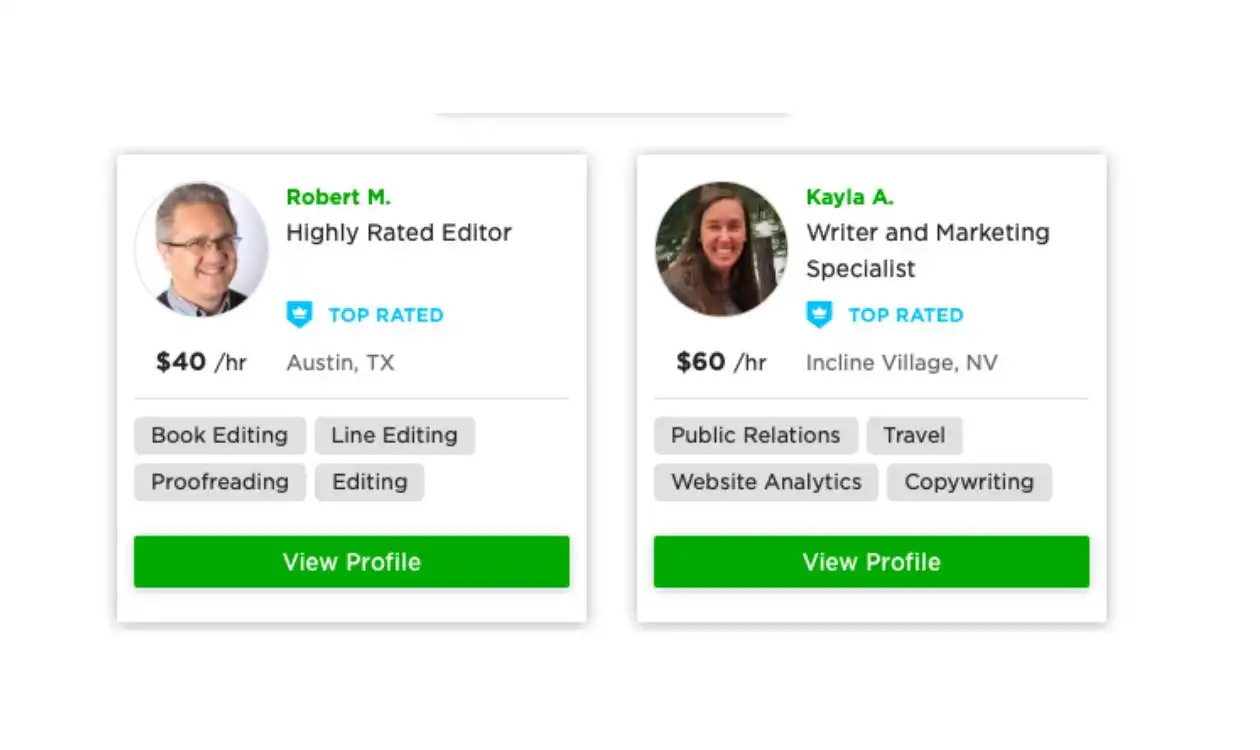
Whether you are looking to hire remote helpers for specific projects or you are helping candidates find work, consider advising them to start with websites geared towards the gig economy. Sites like Upwork, Flex Jobs and Remotive are designed to connect remote workers with projects in areas like (but not limited to):
- Graphic design
- Content writing
- Social media management
- Web design
- Customer service
- Executive assistance
- SEO writing and research
Some projects are paid hourly while others have a set rate upon completion.
Candidates will be up against a lot of competition - particularly with remote workers overseas who are willing to take on projects at a low hourly rate. So, it is important that new remote workers narrow in on their greatest strengths and build up some good experience.
Hire People As Contact Tracers

Although many people have lost their jobs due to COVID-19, the pandemic has also created some new, rather creative career opportunities. One of the latest positions that companies are hiring for is contact tracers.
According to the CDC, the "core principles of case investigation and contact tracing" are:
- Investigating cases of suspected or confirmed infection
- Working with patients to determine the people they have had close contact with during the timeframe when they were most likely infectious
- Tracing all potential contacts and gathering information on any symptoms they have experienced
- Provide contacts with information, education, and support
- Protect each patient's privacy while collecting important information that can be used for research purposes
The great news about hiring contact tracers is that it requires no experience (since this is essentially a brand new position) and it can be done completely remotely. Contact tracers simply need access to the internet and a phone line as potential contacts are reached over the phone or via email through specialized software programs.
Contact tracers can help researchers learn more about how COVID-19 spreads, what symptoms are most common, and even play a role in finding a cure for the virus. Helping contact tracing companies find qualified candidates is incredibly important - and it can help people get back to work while in the safety of their own homes.
Offer Virtual Assistance

Since many businesses have had to send employees home for the foreseeable future, leaders have had to quickly transition to managing remote teams. The demand for remote executive assistants has been increasing to help those who either have a lot more on their plates due to the pandemic or are struggling to keep up with the changes.
Furthermore, people are seeking virtual assistance in other areas as they are spending far more time at home and not able to participate in their normal, daily activities. Companies are hiring qualified candidates to help teach or complete various tasks remotely, such as:
- Online tutoring for elementary through college, as well as for specialized courses.
- Online coaching for physical fitness or sports.
- Office assistance.
- Marketing roles.
- Customer service.
Recruiters can help candidates get connected to companies that offer these types of virtual services, making it far easier for people to utilize their marketable skills.
Start with No Experience Online Work

Even candidates with little to no experience working from home can find new positions during this time - especially since some companies are being forced to only hire remote workers. Entry-level positions are opening up across the board, particularly for businesses that are actually growing during the pandemic.
For instance, the need for medical data entry, billing and admin specialists is growing, and little to no experience is needed for this position as most of the training is provided once the person is hired.
Other growing businesses like social e-commerce companies are looking to hire customer service representatives as well as sales and marketing reps to keep up with increasing demand and order volume. Various positions for tasks like data entry, bookkeeping, and telemarketing are also readily available as they require very little training or experience in most cases.
How Recruiters Can Help Remote Job Seekers
Recruiters are well placed to accelerate the remote job search, particularly for candidates who are new to remote work or struggling to navigate a crowded market. A recruiter who specialises in remote placements can:
- Match candidates with legitimate, verified remote employers across relevant industries
- Advise on how to present skills and experience for remote-specific roles
- Identify entry-level remote opportunities that are not always widely advertised
- Provide guidance on the tools, expectations, and working styles that remote employers typically look for
- Support candidates in preparing for video interviews and remote onboarding processes
If you are a recruiter working with candidates actively seeking remote positions, encourage them to explore freelance platforms as a first step, be open to entry-level roles as a way in, and invest time in building a profile that speaks directly to what remote employers need.
Conclusion
Recruiters are more important than ever in the current economy and they can help get people back to work even in the midst of a global pandemic. We are lucky enough to live in a time where remote work is possible and companies are finding new ways to keep employees safe.
If you are working with candidates looking for remote positions, ask them to consider some of these possibilities as they can be a perfect stepping stone to get them started.
Frequently Asked Questions (FAQs)
1. Is remote work still growing in 2026?
Yes. Remote and hybrid roles now account for a significant share of job openings across most industries, with demand continuing to grow particularly in tech, healthcare administration, customer service, and digital marketing.
2. Can I find remote work with no prior experience?
Yes. Entry-level remote roles in data entry, customer service, sales support, and admin are widely available and typically include on-the-job training.
3. What are the best platforms to find remote jobs in 2026?
Flexjobs, Remotive, We Work Remotely, LinkedIn, and Indeed are among the most reliable. Using multiple platforms simultaneously and setting up job alerts improves your chances significantly.
4. How do I stand out as a remote job applicant?
Highlight remote-relevant tools and skills on your CV, write a cover letter that addresses how you work independently, and ensure your LinkedIn profile clearly signals your interest in remote roles.
5. Should I start with freelance work or apply for full-time remote roles?
If you have no remote experience, starting with freelance projects builds your track record and helps you adjust to remote working before committing to a full-time position.
6. How can recruiters help me find remote work?
Recruiters with remote placement expertise can match you with verified employers, identify unadvertised roles, and help you present your skills more effectively for remote-specific applications.