

TL;DR
- Recruitment in 2026 will face numerous challenges such as talent shortages, remote work complexities, and the need for diversity and inclusion.
- Employing digital tools and AI can enhance recruitment efficiency but should be balanced with human interaction to maintain candidate experience.
- Strong employer branding and clear communication are critical to attract and retain top talent in a competitive market.
- Economic uncertainty and budget constraints require flexible hiring strategies and cost-effective technologies to optimise recruitment efforts.
Finding the right people for my team is harder than nailing a bullseye with a blindfold on. You're not alone.
Recruitment challenges are like a thorn in your side, constantly irritating, no matter how much you try to eliminate them. But fear not, because here you’ll learn about the top hiring challenges you'll face in 2026 and how to tackle them like a pro.
These challenges aren't just going to disappear overnight. In fact, they're only going to get more challenging as we head into 2026. With the changing job market, rising expectations of employees, and the skills gap widening like a yawning chasm, hiring is about to become a whole new ball game.
So, what are the biggest Recruitment challenges you can expect in 2026? And how can you stay ahead of the curve and build a top-notch team?
Well, that's exactly what you'll dive into in this article. Here, you’ll get actionable tips to help you overcome these challenges and attract the best talent. So, buckle up, grab your coffee, and let's get this hiring train rolling!
Let's dive in!
What are the Biggest Recruitment Challenges Recruiters Face Today?
Recruiting top talent is a complex process with various challenges, from finding qualified candidates to maintaining a competitive edge in the job market. Here are the biggest recruitment challenges faced by recruiters today.
1. Talent Shortages in Key Industries
Challenge:
As businesses shift toward more advanced technologies, including AI, machine learning, and cybersecurity, there will be an unprecedented demand for specialised skills. Industries like healthcare, tech, and engineering are projected to face the largest shortages. According to a report from McKinsey, 87% of companies will experience skills gaps in key areas by 2025 [Source]. A lack of sufficiently skilled candidates could force companies to leave important positions unfilled, hindering growth and innovation.
How to Overcome:
Develop early relationships with educational institutions to nurture future talent. Leverage global talent pools and advanced recruitment tools to locate passive candidates. Additionally, reskilling and upskilling current employees can help address talent shortages internally, ensuring the development of the required skills.
2. Remote Work Complexities
Challenge:
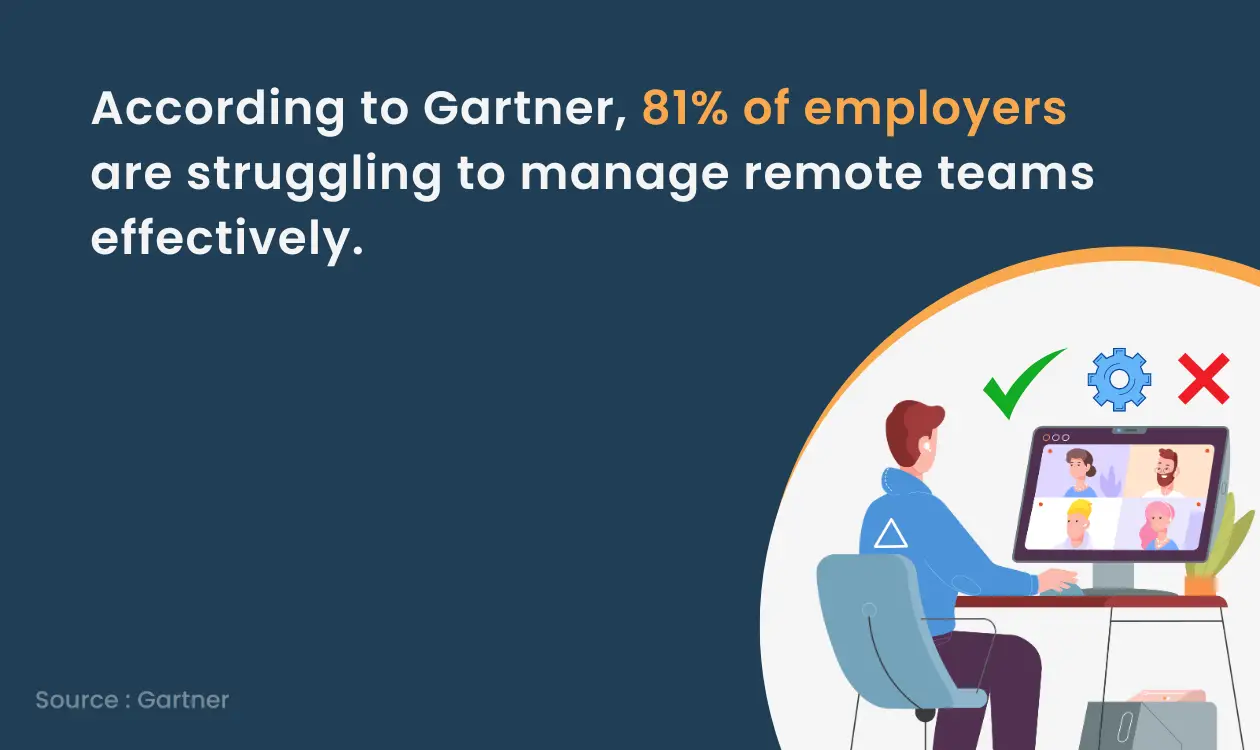
The shift to remote work, while offering flexibility, presents new challenges in hiring, managing, and retaining a remote workforce. Hiring across different time zones and managing cross-cultural teams can complicate communication and reduce cohesion. According to Gartner, 81% of employers are struggling to manage remote teams effectively. [Source]
How to Overcome:
Invest in digital collaboration tools like Slack, Microsoft Teams, or Asana to facilitate communication. Create clear remote work policies, including expected working hours and availability, to ensure alignment across time zones. When recruiting, highlight flexibility as a benefit to attract candidates who thrive in a remote environment.
3. Diversity, Equity, and Inclusion (DEI)
Challenge:
Despite increased awareness, many companies still face difficulties in building diverse and inclusive teams. Unconscious bias can pervade recruitment processes, while non-inclusive hiring practices may alienate potential talent. A LinkedIn survey revealed that 67% of job seekers consider diversity a crucial factor when choosing employers. In 2025 [Source], inclusivity will be a key differentiator for companies aiming to build innovative, successful teams.
How to Overcome:
Use AI-powered tools to audit job descriptions for biased language before posting. Introduce structured, blind screening processes that focus on skills and experience rather than background. Set measurable DEI targets for hiring outcomes and review them regularly. Supplement internal efforts with DEI-focused recruitment partners where needed, and ensure hiring managers receive ongoing training on recognising and reducing bias in their decision-making.
4. Employer Branding in a Competitive Market
Challenge:
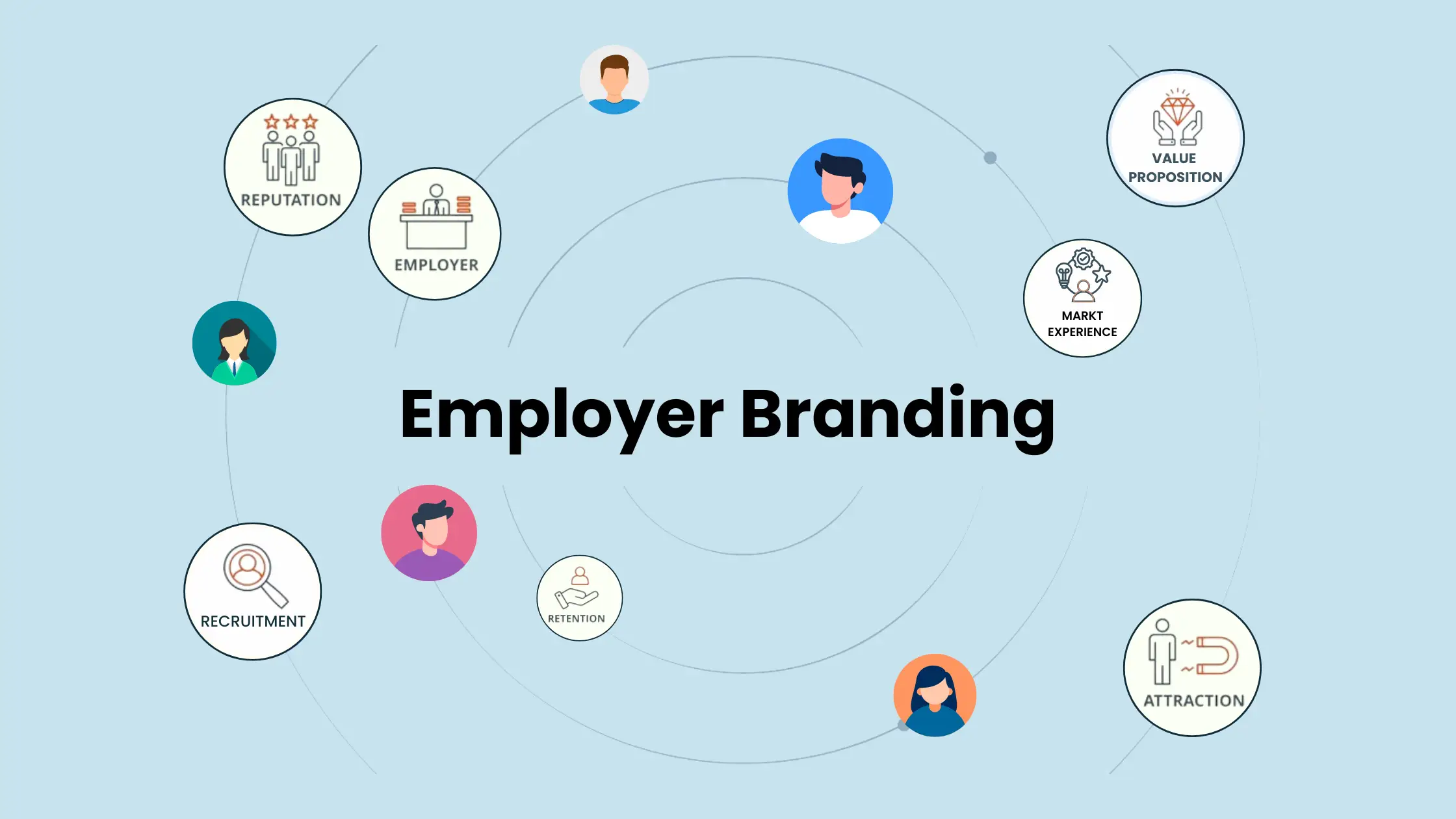
Employer branding will be increasingly crucial in 2025 as candidates become more discerning in their job search. With greater competition for top talent, companies with weak employer brands may lose out to competitors offering better opportunities or workplace culture. Research from Glassdoor shows that 72% of recruiting leaders believe employer branding significantly impacts hiring success. [Source]
How to Overcome:
Treat your employer brand as an active, ongoing investment rather than a one-time project. Keep your careers page, LinkedIn presence, and Glassdoor profile current and reflective of your actual culture. Share employee stories, team milestones, and behind-the-scenes content regularly. Be transparent about what your organisation offers in terms of growth, flexibility, and wellbeing, and make sure the candidate experience in your hiring process actually reflects those values.
5. AI and Automation in Recruitment
Challenge:
While automation can help streamline recruitment processes, over-reliance on AI can lead to a lack of personalisation, negatively impacting candidate experience. According to Deloitte, 41% of companies already use AI in recruitment but struggle to find the right balance between efficiency and personalisation.
How to Overcome:
Automate routine tasks like initial resume screening with AI-powered ATS tools like iSmartRecruit but maintain human involvement during key interactions, such as interviews with top candidates. Ongoing training for recruiters on using AI tools effectively will ensure the best results while maintaining a personal touch.
6. Employee Retention and Turnover
Challenge:
Retaining employees will continue to be a major challenge, especially as the war for talent intensifies. A Gallup poll revealed that 51% of workers are actively looking for new job opportunities, primarily due to a desire for better compensation, career advancement, and flexibility. [Source]
How to Overcome:
Strengthen employee retention by offering personalised career development plans, learning opportunities, and mentorship programs. Foster a positive company culture with regular feedback loops, and consider offering flexible work arrangements to accommodate different lifestyles. High employee engagement is key to reducing turnover.
7. Budget Constraints
Challenge:
Economic pressure has pushed many organisations to scrutinise recruitment spend more carefully, creating tension between the need to hire well and the cost of doing so. Budget limitations can restrict access to premium job boards, advanced sourcing tools, or the kind of employer branding investment that attracts top talent.
How to Overcome:
Maximise efficiency by using affordable but effective smart recruitment platforms such as LinkedIn Recruiter or iSmartRecruit. Focus on reducing time-to-hire and streamlining processes with automation, such as applicant tracking systems (ATS), to avoid unnecessary costs while still attracting top talent.
8. Long Hiring Processes
Challenge:
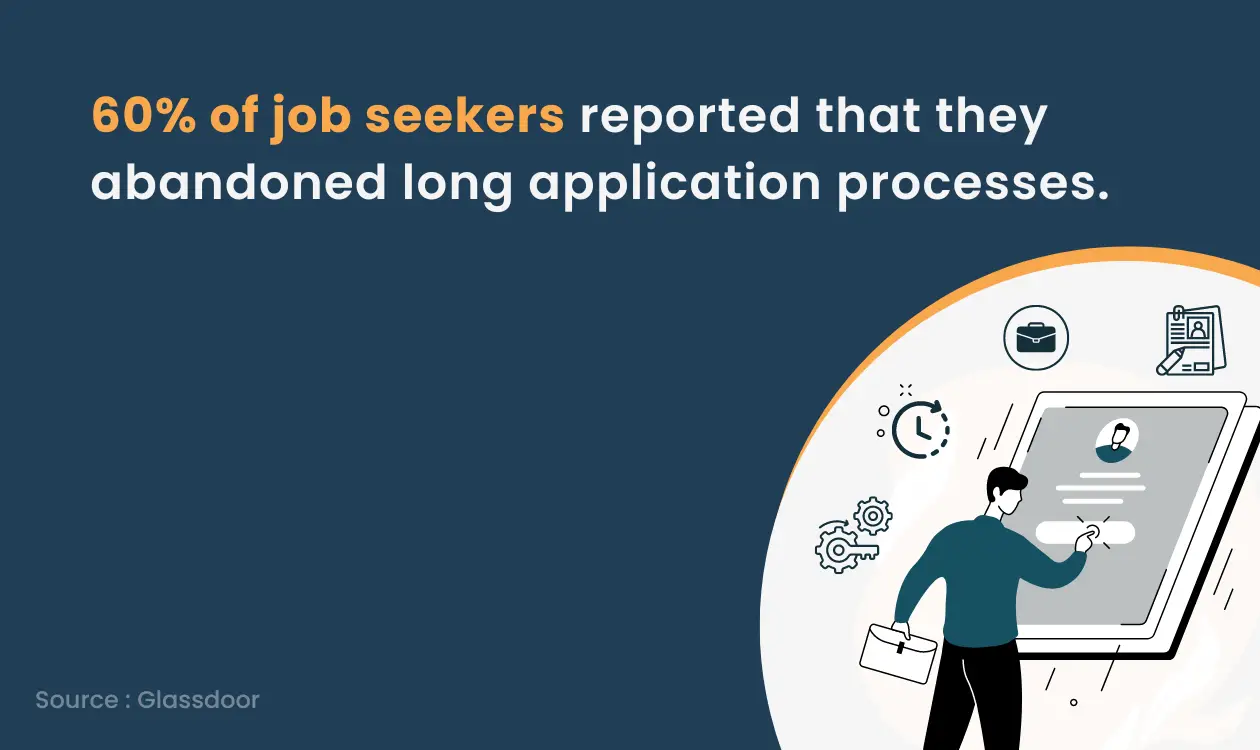
Lengthy hiring processes are a common pain point, with 60% of job seekers reporting that they abandoned long application processes. [Source] Prolonged hiring timelines not only frustrate candidates but also result in companies missing out on top talent.
How to Overcome:
Utilise automation tools such as Recruiting CRM Software to streamline the early stages of recruitment, from application to interview scheduling. Fast-tracking high-priority roles can help shorten the hiring cycle, ensuring you secure top candidates before they move on to other opportunities.
9. Poor Communication During Hiring
Challenge:
Communication failures between recruiters, hiring managers, and candidates create unnecessary friction at every stage of the process. When candidates receive inconsistent information, slow responses, or no updates at all, they disengage. Internally, when calls and video interviews are not recorded or summarised, important details are lost and decision-making suffers.
How to Overcome:
Leverage communication platforms to ensure seamless interaction between all parties involved in the hiring process. Use an AI transcription tool to capture every call or video, so you can search responses, pull key insights, and share exact quotes without manual note-taking. Providing regular updates to candidates will keep them engaged and reduce the likelihood of losing top talent due to delays.
10. Sustainability and Social Responsibility
Challenge:
More candidates, especially younger generations, are evaluating potential employers based on their commitment to sustainability and corporate social responsibility (CSR). A 2024 survey by Deloitte found that 61% of millennials consider a company's environmental and social initiatives when choosing an employer. [Source]
How to Overcome:
Make your sustainability initiatives and CSR commitments genuinely visible throughout the candidate journey, from your careers page and job postings to interviews and onboarding materials. Involve employees actively in these programs so that what you communicate externally is backed by internal reality. Transparency about environmental goals and social impact resonates far more with candidates than polished but vague commitments.
11. Economic Uncertainty
Challenge:
Economic uncertainty, driven by inflation, supply chain disruptions, and potential recessions, will likely affect recruitment in 2025. Companies may face budget cuts, hiring freezes, and a shift toward more flexible workforce strategies. The IMF projects global economic growth to slow to 3.2% in 2025, which may hinder hiring efforts. [Source]
How to Overcome:
Implement flexible hiring strategies, such as contingent or freelance workers, to reduce risk during economic downturns. Additionally, focus on internal talent development and cross-training programs to build resilience within your current workforce. Invest in cost-effective recruitment technologies that streamline processes without inflating budgets.
Conclusion
Recruitment in 2026 is genuinely more complex than it was five years ago, but the organisations navigating it best share a common approach: they invest in the right tools, build clear processes, and treat candidates with the same attention they give clients.
Each challenge covered in this guide has a workable solution. The key is not trying to solve everything at once, but identifying the one or two areas where improvement would have the greatest impact on your hiring outcomes and starting there.
If skills shortages, long hiring timelines, or poor candidate experience are affecting your results, platforms like iSmartRecruit can help you address multiple challenges in one place, from AI-powered sourcing and automated scheduling to structured collaboration tools and compliance-ready reporting.

Frequently Asked Questions (FAQs)
1. What are the most common recruitment challenges today?
Recruiters most often face issues with attracting the right talent, engaging qualified candidates, speeding up hiring, ensuring fair hiring, and providing a strong candidate experience.
2. How can technology help overcome recruitment challenges?
Tools like applicant tracking systems, automated screening, and AI matching reduce time-to-hire, improve accuracy, and minimise bias.
3. What is high-volume recruitment, and how can its challenges be overcome?
Hiring many similar roles rapidly needs smooth workflows, scalable sourcing, and automation for scheduling and screening. Build a talent pool ahead of demand and scale processes before peak periods.
4. What’s the impact of remote work on recruitment challenges?
While remote roles attract wider talent, they also increase competition. Recruiters must adjust expectations and improve digital hiring processes.
5. What role does data-driven recruitment play in overcoming challenges?
Collect and analyse data on time-to-hire, candidate sources, and drop-off points. Use metrics to refine processes and make informed improvements to attract and retain talent.
About the Author