


Providing interview feedback is a crucial step in fostering candidate engagement and enhancing your employer brand. If you find it challenging to offer feedback, particularly to candidates who were not selected, this article reveals the essence of delivering positive interview feedback to these applicants.
Effective feedback assists candidates in recognising their strengths and areas needing improvement. For candidates offered a position within your company, it highlights where to focus. For those not selected, it provides insights for excelling in future interviews and maintaining a positive relationship with your brand.
TL;DR
- Providing interview feedback is crucial for candidate engagement and professional courtesy.
- Feedback helps candidates understand their strengths and areas for improvement, enhancing their prospects in future interviews.
- Constructive feedback should be specific, actionable, and delivered positively, using techniques like the praise sandwich.
- Avoid comparing candidates as it is unhelpful and can be perceived as disrespectful.
- Giving feedback enhances the candidate experience and strengthens the employer's brand reputation.
- Feedback, when handled correctly, sets a professional tone and improves the candidate's perception of your brand.
What is Interview Feedback?
Providing interview feedback to every interviewee is a core part of the interview process. Feedback allows candidates to gauge their professional presentation and to better understand the performance metrics valued by the organisation.
Examples of feedback on the interview include evaluating:
- Communication: Did the candidate demonstrate effective communication skills?
- Attire Feedback: Did their attire reflect professionalism and seriousness towards the role?
- Preparation: Was the candidate well-prepared for the interview? Did they research the company's goals and objectives?
Considering these aspects helps employers select exceptional employees while also providing meaningful, positive interview feedback to those unselected.
Why is Interview Feedback Important?
Though it may seem challenging, offering feedback is imperative. Not providing feedback or leaving it vague can be more inappropriate. Detailed feedback fosters a good candidate experience, which is advantageous for organisations of all sizes.
#1: The Professional Courtesy
The interview process demands significant input from candidates. Updating them with their interview status and feedback demonstrates professional courtesy, acknowledging their effort.
#2: Candidate Improvement
Regardless of the candidate's suitability, interview feedback serves as valuable guidance. It aids candidates in refining their interview skills and advancing their professional development.
#3: Candidate Experience
The candidate experience is vital in the hiring process. Delivering feedback to all candidates enhances their experience, informing candidates' perceptions of how the company treats its employees.
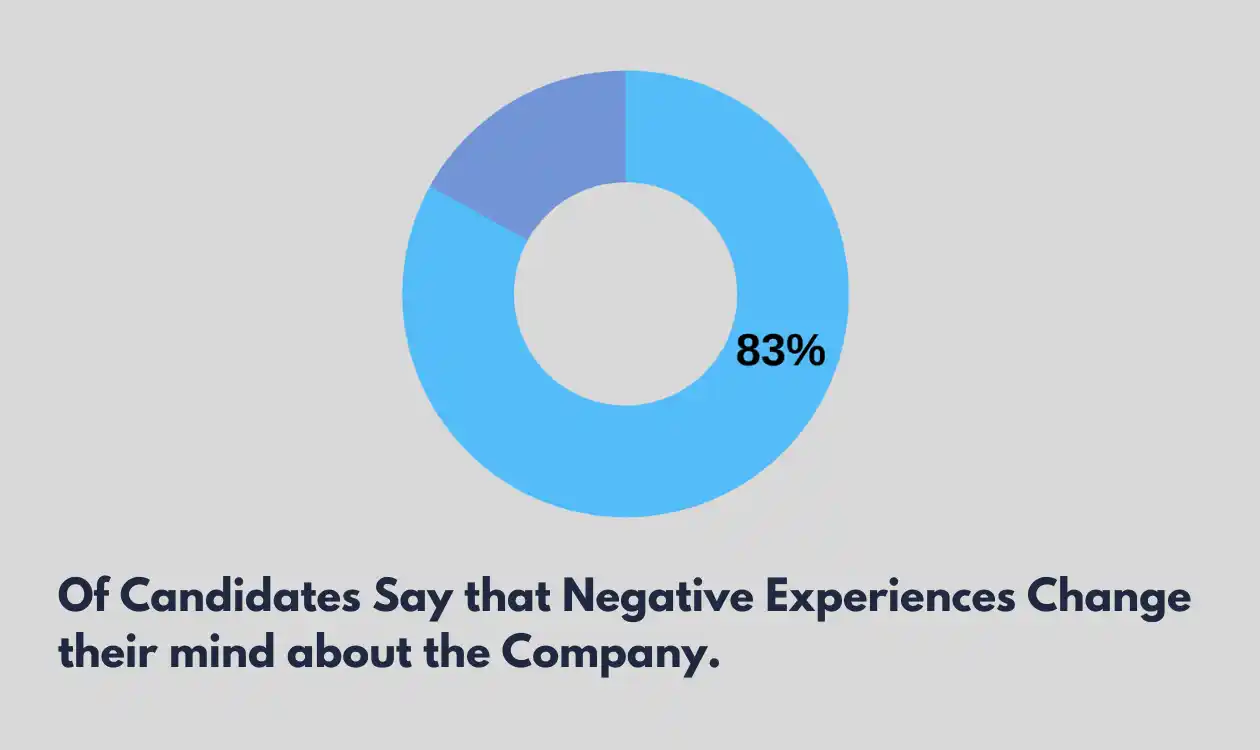
#4: Improve Employer Brand
Engagement and positive experiences contribute to a stronger employer brand. Constructive feedback nurtures a good reputation within the talent pool, attracting high-calibre candidates.
How to Give Interview Feedback to The Candidate
Many candidates appreciate feedback post-interview, viewing it as crucial for career advancement. Providing effective interview feedback requires a balanced approach to boost candidate potential, hired or not.
Feedback supports candidates in improving their applications and enhances their competency in future recruitment processes. Here's how to offer interview feedback to candidates effectively.

#1: Offer Useful Feedback with Actionable Suggestions
Feedback is ineffectual without actionable insight. Include specific, actionable advice to help candidates focus on growth rather than setbacks. Suggest ways to enhance skills like presentation, and share educational resources to aid their development if possible.
#2: Avoid Comparisons
Candidates often understand non-selection means others were viewed more favourably. Avoid over-clarifying this, particularly if a group interview was used, since comparisons do not aid personal growth and may be considered rude.
#3: Use the Praise Sandwich for Negative Feedback
The praise sandwich method is effective for delivering negative feedback constructively. Begin with a positive remark, provide core feedback, and conclude with encouragement to balance your message.
#4: Be Specific and Precise
Avoid vague criticisms that leave candidates confused or dismayed. Specify precise areas needing attention to ensure real behavioural improvement. Citing particular examples fosters clearer understanding of expectations.
#5: Express Gratitude
Ensure every interaction with your business leaves a positive mark. Interviews represent significant milestones for candidates. Acknowledge their investment by thanking them for engaging with your organisation. Connect with iSmartRecruit for further insights.
Conclusion
Providing interview feedback can benefit both your company and candidates when done correctly. Offer feedback with positivity and motivation to ensure your company is memorable.
Ultimately, constructing comprehensive feedback adds significant value to the recruitment process and enriches your talent pool. Stay ahead of the curve - explore more HR insights on iSmartRecruit.
FAQs - Frequently Asked Questions
1. Why is giving interview feedback important for candidates?
Giving interview feedback helps candidates understand their strengths and areas for improvement. This support enhances their skills for future interviews and promotes a positive experience with your company.
2. How can I provide constructive feedback professionally?
Use clear, specific examples and offer actionable suggestions. Balance criticism with positive comments, and avoid comparing candidates to others to keep feedback respectful and helpful.
3. What if I feel uncomfortable giving negative feedback?
Try the praise sandwich method: start with positive points, share areas to improve constructively, then end with encouragement. This approach keeps the conversation positive and motivating.
4. How does interview feedback impact your employer brand?
Providing thoughtful feedback improves candidate experience, creating positive word-of-mouth. This strengthens your employer brand and helps attract better talent over time.
5. What should be included in clear, actionable interview feedback?
Identify specific areas for improvement, suggest practical steps, and reinforce positive behaviours to guide candidates in enhancing their skills effectively.
About the Author