

TL;DR
- Effective recruitment advertising attracts top talent by targeting the right candidates with tailored ads.
- Planning involves defining goals, creating candidate personas, choosing the right channels, and budgeting wisely.
- Compelling job ads should clearly describe roles, benefits, and include a strong call to action.
- Use tools like job boards, social media ads, ATS, and analytics to optimise recruitment campaigns.
In 2026, AI-driven programmatic platforms, short-form video on TikTok and Instagram, and mobile-first applications are reshaping how the best teams advertise open roles.
Are your recruitment ads getting lost in the crowd? You're not alone, buddy.
In today's competitive job market, crafting a high-impact recruitment advertising blueprint is like designing a neon sign that says, "Hey, awesome people, we're hiring!" But how do you make that sign shine brighter than the rest? How do you make sure it's not just flashy but also targets the right folks?
Here, you’ll learn that killer recruitment advertising strategy isn't just about catching eyes; it's about winning hearts and minds. It's about showing off your company's unique vibe, reeling in the perfect candidates, and making them eager to hop aboard your team.
Stick around because you're about to dive into the nitty-gritty. Ready to turn your recruitment advertising into a powerful magnet for top talent?
Let's do this!
What is Recruitment Advertising?
Recruitment advertising is a process of using advertisements to attract, engage, and hire top talent. Recruitment marketing is a compilation of different strategies, processes, and tools. Through this, you can reach the right talent faster at the right time.
The goal is to build a strong employer brand and a steady pool of potential candidates, even among people who aren't currently looking for a new role. Done well, it helps companies connect with a wide range of candidates and turn the best of them into hires, while saving recruiters time through better targeting.
This method helps companies connect with a wide range of candidates and quickly turn them into hires. By using targeted ads and technology, recruiters can save time and make the hiring process more efficient.
Why is Recruitment Advertising Matters?
1. It Attracts the Right Talent, Not Just More Applicants
A generic ad gets generic applicants. A tailored ad, built around a clear candidate persona and placed on the right channel, acts like a magnet for people who are genuinely a good fit. AI-powered targeting now makes this precision easier than ever, letting recruiters match ad creative and placement to specific skill sets automatically.
2. It Shapes Your Employer Brand
Recruitment advertising is one of the first interactions candidates have with your company. Well-crafted ads create an instant connection, setting the tone for the candidate’s experience with the company. Highlighting your company’s values, culture, and vision in the job ad not only attracts great talent but also builds your brand.
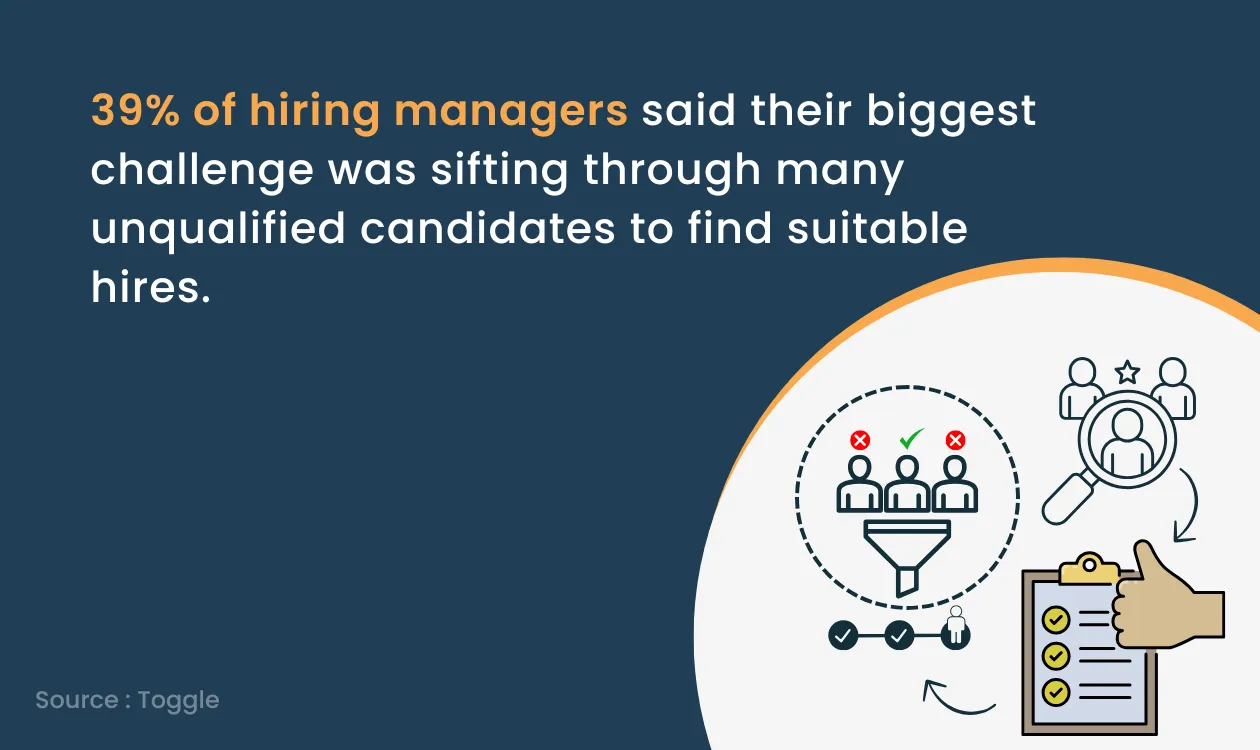
3. It Filters Out Unqualified Candidates Before They Apply
Being upfront about job requirements in the ad helps filter out those who aren’t a good fit. When you clearly communicate what you’re looking for, you avoid wasting time sifting through irrelevant resumes, and the right candidates know exactly what to expect.
4. It Reaches Passive Candidates
One of the most overlooked advantages of recruitment advertising is its ability to attract passive candidates - those who aren’t actively job hunting but could be the perfect fit. Research shows that only about 30% of the global workforce is actively seeking jobs, leaving a massive 70% as passive talent. When you advertise well, you can tap into this hidden talent pool and engage candidates who may not even realise they’re ready for a new opportunity.
Recruitment Advertising vs. Job Advertising

How to Plan Recruitment Advertising in 7 Steps
To attract top talent, it’s essential to plan your recruitment advertising efforts strategically. Simply posting a job ad isn’t enough - successful recruitment advertising involves selecting the right channels, crafting a clear and engaging message, and optimising your budget for maximum ROI.
1. Define Your Recruitment Advertising Goals
Before you dive into creating job ads, it's crucial to first define your recruitment advertising goals. Think of this as setting a clear target before taking aim. Ask yourself, "What am I trying to achieve with these ads?" Are you looking to fill positions quickly, attract highly skilled candidates, or build a diverse talent pool? Defining your goals upfront helps guide your entire strategy. It also makes it easier to measure your success later.
For example, if your goal is to attract candidates with specific skill sets, you’ll focus your ads on platforms where those professionals are likely to be.
By knowing exactly what you’re aiming for, you’ll create ads that work smarter, not harder, and get you closer to hiring the right people.
2. Identify Your Audience and Build a Candidate Persona
Before you start creating job ads, it’s essential to know exactly who you're trying to attract. This begins with identifying your target audience, the people who are most likely to be a good fit for the job and your company.
Once you’ve identified this, create a candidate persona, a detailed profile that outlines these characteristics. This persona helps you tailor your job ads to speak directly to your ideal candidates. You’ll want to consider things like their professional background, career goals, and even the platforms they use when searching for jobs.
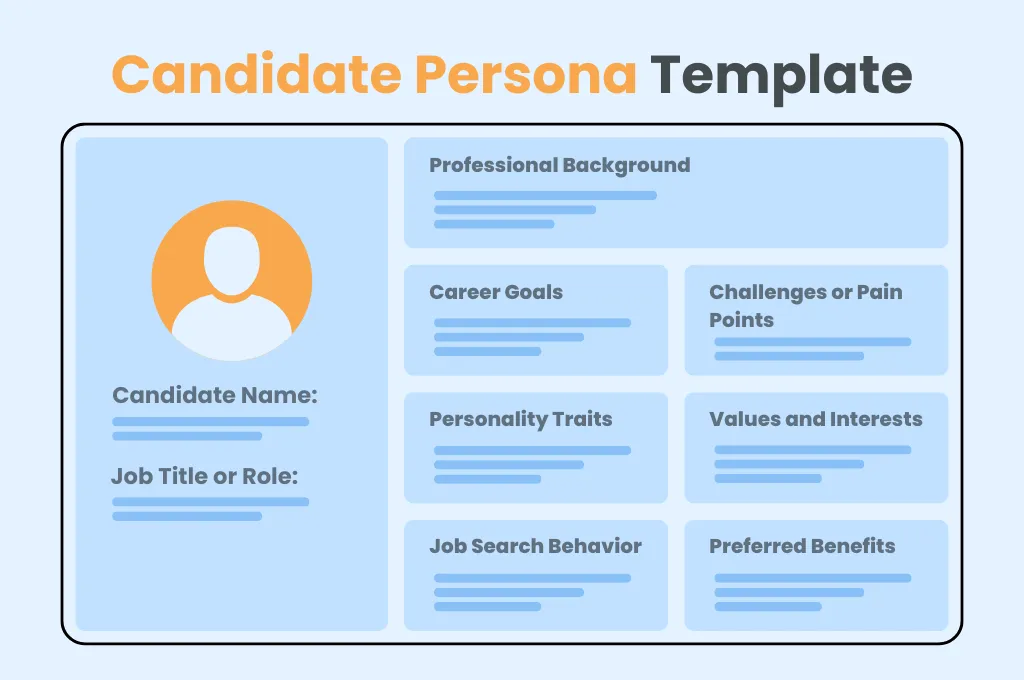
By doing this, you ensure your job ads are focused, relevant, and appealing to the right people, making it easier to attract top talent who are a perfect fit for your organisation.
3. Choosing the Right Channels
When selecting the channels for your job ads, think about where your ideal candidates are most likely to see them. Job boards are popular, but don’t overlook the power of social media, company websites, or even niche platforms that cater specifically to certain industries or roles. The key is to match the channel to your audience. For example, if you're hiring for tech positions, LinkedIn and tech-specific job boards might yield better results than general job sites.
Also, consider your budget; some channels are more cost-effective than others. Social media can be a great low-cost option, while niche platforms might be pricier but attract highly targeted candidates. Always track how each channel performs so you can adjust your approach as needed.

4. Craft Compelling Job Advertisements
Creating a compelling job advertisement is one of the most critical steps in the recruitment process. It’s not just about listing job requirements, it’s about attracting the right talent. A well-crafted job ad should clearly communicate what the role entails, but it should also highlight why someone would want to work for your company.
Here’s how to make sure your job ad stands out:
1. Start with an attention-grabbing headline: You want to immediately catch the eye of potential candidates. Make the job title clear and engaging.
2. Describe the role and responsibilities clearly: Be straightforward about what the job involves, including day-to-day tasks and key responsibilities, so candidates know exactly what they’re applying for.
3. Highlight the benefits: Talk about what makes your company a great place to work. Mention perks like professional growth opportunities, work-life balance, or a strong company culture.
4. Use simple, inclusive language: Avoid jargon and be welcoming in your language to attract a diverse pool of candidates. This ensures you don’t unintentionally discourage people from applying.
5. End with a strong call to action: Clearly tell candidates what to do next, whether it's applying through a link or sending their CV. Make it easy for them to take the next step.
In summary, a compelling job ad doesn't just inform; it excites and encourages the right people to take action. Keep it simple, clear, and aligned with what your ideal candidates want to hear.
5. Set and Manage Your Budget
Recruitment advertising isn’t just about reaching candidates, it’s about doing so efficiently. A clear and well-structured budget ensures you get the best value for your investment without overspending.
1. Assess Your Needs: First, identify the positions you need to fill and the urgency behind them. High-priority roles may require more budget allocation toward premium job boards or paid social media ads, while less urgent roles can use more cost-effective channels.
2. Allocate Funds to the Right Channels: Different channels have different costs. Social media platforms can often provide a high return on investment with relatively low spending. On the other hand, niche job boards may cost more but can deliver higher-quality candidates.
3. Track and Adjust: Once your campaign is live, continuously monitor performance. If certain channels are delivering a high volume of qualified candidates, consider shifting more of your budget to those platforms. Likewise, don’t hesitate to scale back or adjust ads that aren’t performing well.
This structured approach will help ensure that every dollar spent on recruitment advertising is used effectively, driving better hiring outcomes for your organisation.
6. Measure and Optimize Performance
To get the best results from your recruitment ads, it’s important to track how well they’re performing. Start by measuring key metrics like the impressions, number of applications, cost-per-click, and conversion rates of each advertising channel. These insights will help you understand what’s working and what’s not.
Track impressions, applications, cost-per-click, and conversion rate for every channel, but don't stop there. In a tighter labor market where application volume is often up while candidate quality is harder to gauge, quality of hire and source quality matter just as much as raw numbers. Review your data regularly and shift strategy based on what's actually converting into good hires, not just clicks.
7. Incorporate A/B Testing
One of the best ways to optimise your recruitment ads is by using A/B testing. It’s a simple method where you create two versions of your job ad with slight variations; like different headlines, images, or wording. You run both versions and track which one performs better. This allows you to see what resonates most with your target candidates. For example, you might find that one ad version attracts more applicants while another leads to higher-quality candidates. A/B testing helps fine-tune your ads to ensure you're getting the best results with minimal guesswork.
By testing small changes, you can continuously improve the effectiveness of your recruitment advertising and attract the right talent more efficiently.
Understanding the Recruitment Advertising Funnel
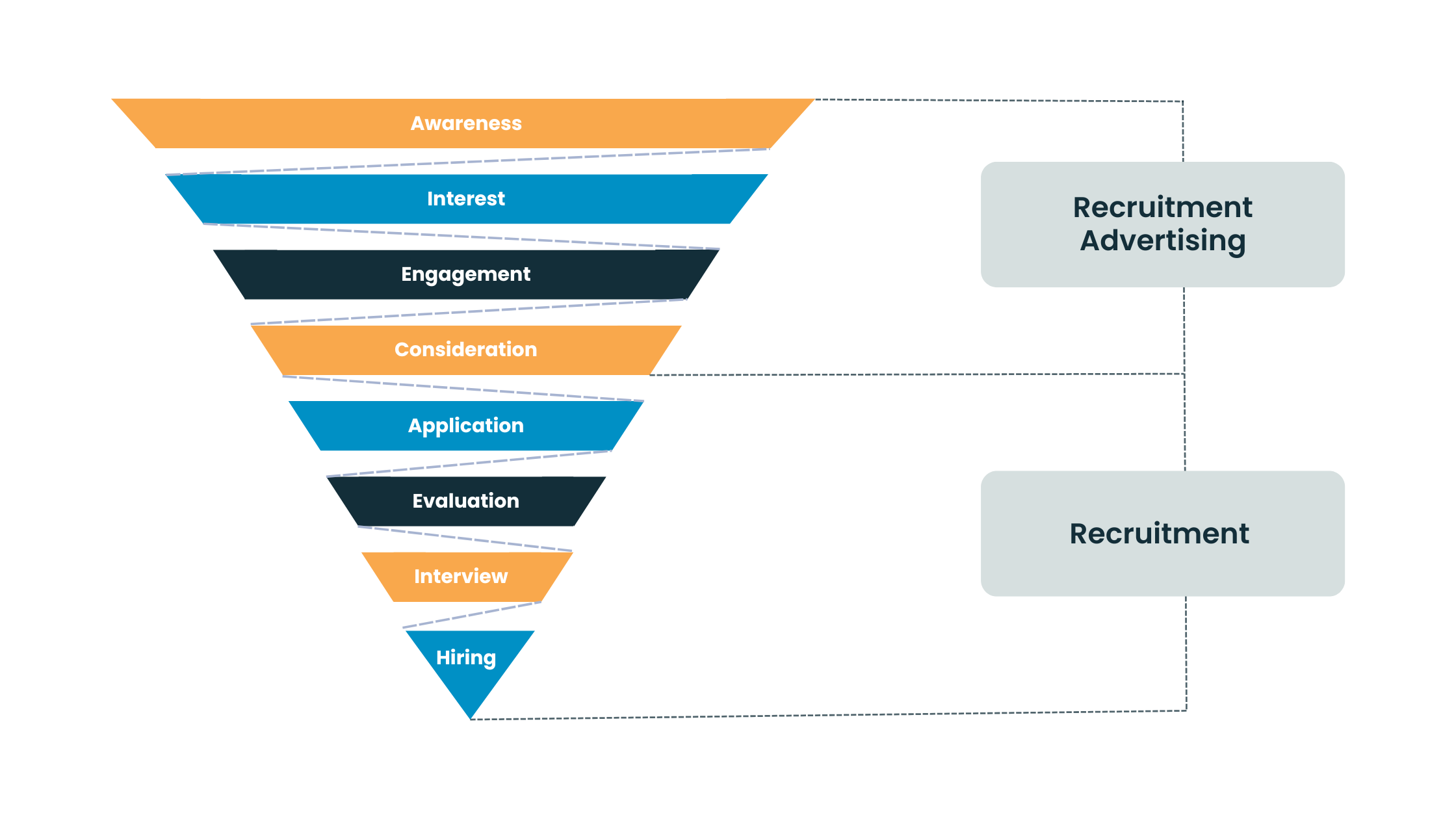
Think of a recruitment advertising funnel as the process of guiding candidates from the moment they first hear about your job opening until they apply. It's similar to how marketers lead customers through a sales funnel. Here's how it works:
Awareness: The first step is getting your job opening in front of potential candidates. This can be done through job ads on social media, job boards like Indeed or LinkedIn, or even your company’s website. For example, running a Facebook ad campaign targeting professionals in your industry.
Interest: Once candidates see the job, you need to spark their interest. A well-crafted job ad highlighting your company culture and benefits will do this. For example, if you're offering flexible work hours, mention it upfront to attract candidates looking for work-life balance.
Engagement: Now, candidates will start exploring more about your brand. They might check your website, read employee reviews on Glassdoor, or follow your social media. To engage them, ensure your online presence reflects a strong company culture. For example, showcasing team-building events or career development opportunities on Instagram.
Consideration: At this stage, candidates are weighing whether to apply. They'll check your company's reputation and job specifics. A clear job description paired with positive employee reviews can make a difference. For example, a well-written LinkedIn post featuring testimonials from current employees adds credibility.
Application, Evaluation, Interview and Hiring are part of the recruitment funnel, but these steps are generally considered recruiting rather than recruitment marketing. A well-structured recruitment advertising funnel helps you move candidates smoothly from awareness to application, making it easier to attract the best talent.
Best Tools for Recruitment Advertising in 2026
When it comes to recruitment advertising, having the right tools can make the process more efficient and help you reach the best candidates faster. Here are some key tools that can elevate your recruitment advertising efforts:
| Key Tools | Description |
| Job Boards | Platforms like Indeed, Glassdoor, and LinkedIn allow you to post job ads where candidates are actively searching for opportunities. |
| Social Media Platforms | Tools like LinkedIn Ads, Twitter Ads, TikTok Ads, YouTube Ads and Instagram Ads can help you target specific audiences with your job advertisements, reaching passive candidates who may not be actively looking. |
| Programmatic Advertising Software | These tools use data and automation to place your job ads in front of the right candidates at the right time, helping you optimise your recruitment budget. Examples, Joveo, Appcast |
| Applicant Tracking Systems (ATS) | Tools like iSmartRecruit or Greenhouse allow you to track where candidates are coming from, helping you analyse which ads are performing best. iSmartRecruit enhances this with features like one-click job advertising across global and sponsored job boards and the creation of customised, branded career pages that align with your company’s culture, thereby attracting the right candidates. |
| Google Ads | Google Ads offers various features that help manage and optimise your campaigns (like budget control, keyword targeting, and performance analytics). |
| Employer Branding Tools | Platforms like Glassdoor or The Muse help you build and showcase your employer brand, making your company more attractive to top talent. |
| Referral Tools | Using software like EmployeeReferrals.com or Referral Rock can encourage employees to share job openings with their networks, often leading to high-quality candidates. |
| Analytics Tools | Tools like Google Analytics or built-in analytics from job boards help you track the performance of your ads so you can adjust and improve over time. |
These tools help streamline your recruitment advertising efforts, making it easier to reach the right candidates and fill roles more efficiently.
The Recruitment Advertising Metrics
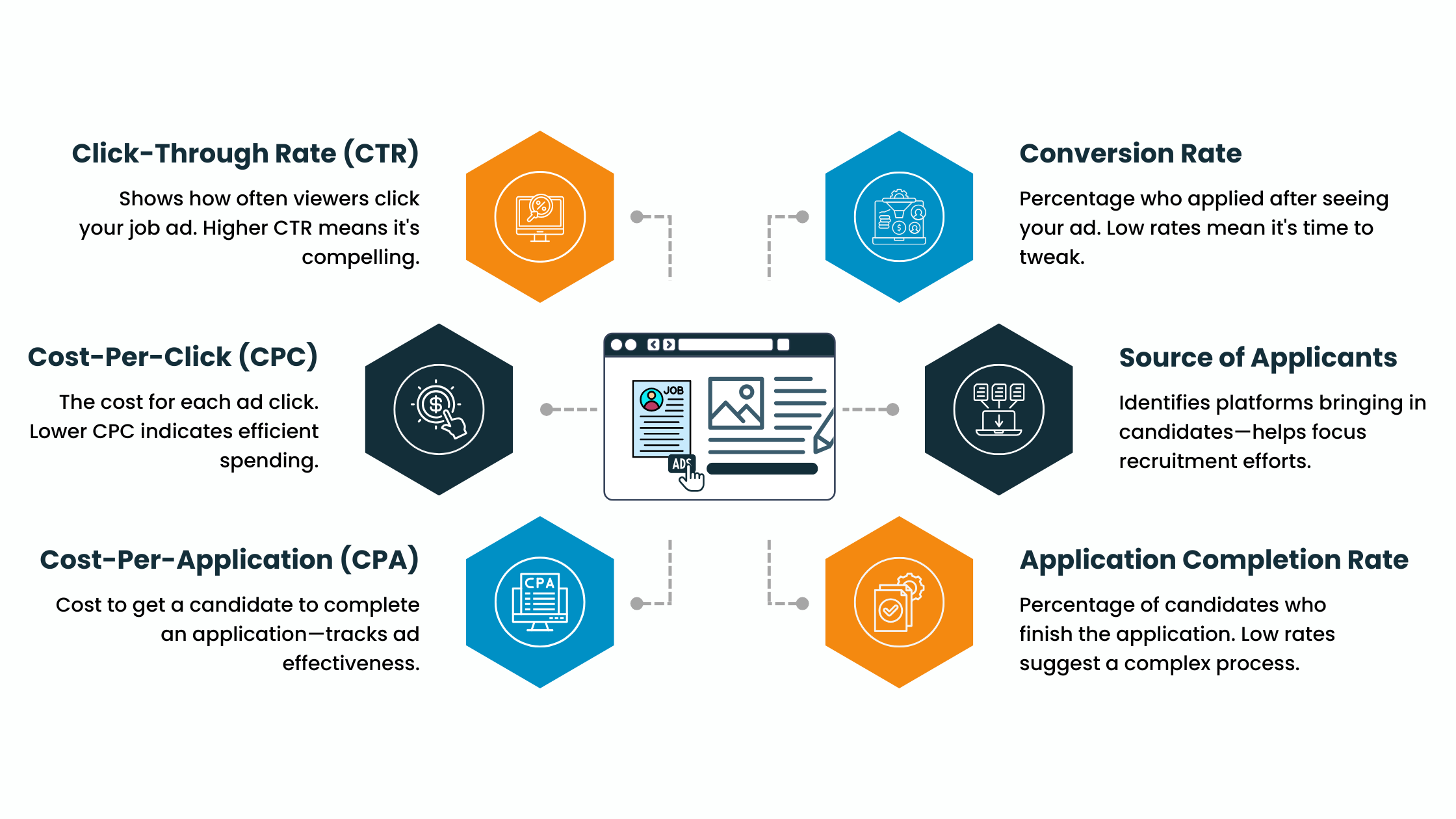
To measure the success of your recruitment advertising efforts, you need to track key metrics. These metrics help you understand what’s working, what’s not, and where improvements can be made. Here are the most important recruitment advertising metrics to keep an eye on:
1. Click-Through Rate (CTR):
Measures how often people who see your job ad actually click on it. A higher CTR indicates your ad is compelling and relevant to the audience.
2. Cost-Per-Click (CPC):
This tells you how much you’re paying for each click on your ad. Lower CPC is ideal as it shows you're spending efficiently to generate interest.
3. Cost-Per-Application (CPA):
How much does it cost you to get a candidate to complete an application? Monitoring CPA helps you measure whether your ad spend is leading to actual applicants.
4. Application Completion Rate:
Measures how many people start and finish the application process. A low rate may mean your process is too long or complicated, discouraging candidates.
5. Source of Applicants:
Tracks where your candidates are coming from, whether it's job boards, social media, or your company website. This helps identify which platforms work best for your recruitment efforts.
6. Conversion Rate:
The percentage of people who saw your ad and ended up applying. A low conversion rate might mean you need to refine the ad or improve its visibility.
Best Practices for Recruitment Advertising with Examples
Here are two alternative best practices for recruitment advertising, using different examples to inspire your strategy:
IBM’s #ProudToBeIBMer Campaign: IBM’s employee advocacy program encourages its workforce to share their experiences and diversity stories on social media using hashtags like #ProudToBeIBMer. This initiative amplifies employee voices while promoting IBM's inclusive culture, showing that IBMers can bring their authentic selves to work. It serves as a powerful employer branding strategy, helping attract diverse talent by showcasing the company’s commitment to inclusion and diversity.
HR Tip: Leverage your employees as brand ambassadors. Encourage them to share their positive experiences at your company on social media. Genuine employee testimonials can be more effective than traditional ads in building trust and attracting talent.
McDonald's "Snaplications" via Snapchat: McDonald's Australia revolutionised recruitment by allowing candidates to apply for jobs through Snapchat, a platform popular among younger demographics. This campaign, called "Snaplications," used Snapchat’s video feature to allow candidates to submit a short video showing their enthusiasm for the job. It was a creative and fast way to engage young talent, especially for part-time and entry-level roles.
HR Tips: Leveraging popular platforms like Snapchat, TikTok, or Instagram can significantly enhance your ability to reach younger candidates. If you're targeting Gen Z or millennials, consider adapting your recruitment strategy to the platforms they use most, making the application process simple and engaging.
Both of these examples demonstrate how recruitment advertising can be made more engaging and effective through employee advocacy and innovative technology like gamification.
Final Thoughts On Recruitment Advertising
So there you have it, the ultimate guide to effective recruitment advertising in 2026. The key to success hasn't changed: understand your audience and tailor your message to them.
Don't be afraid to get creative and stand out from the crowd. The job market is competitive, and candidates need to see the real, specific benefits of working with you, not boilerplate language.
Recruitment advertising is an ongoing process. Track your results, make adjustments, and stay open to new platforms and formats. What works today might not work next year.
Above all, prioritize the candidate experience. A smooth, honest application process leaves a good impression even with candidates you don't hire. You never know when your paths might cross again.
Keep experimenting, keep learning, keep improving. Happy hiring.

Frequently Asked Questions (FAQs)
1. What is a recruitment advertisement?
A recruitment advertisement promotes a job opening to attract qualified candidates. It's placed on platforms like job boards, social media, and search engines to reach the right talent.
2. Why is recruitment advertising important?
It widens your reach to a larger pool of qualified candidates, builds your employer brand, and helps you stand out in a crowded job market, making it easier to attract and convert top talent.
3. How can I create effective recruitment ads to attract candidates?
Use a clear, specific job title, an honest description of the role and benefits, a visible pay range, and a single clear call to action. Keep it concise and make sure it's obviously a job posting.
4. Where should I advertise my job openings?
Focus on the channels where your target candidates are looking. Major platforms like LinkedIn, Facebook, and Twitter are among the best places to share job postings. You should also post on leading job boards (and niche industry job sites if relevant) to maximise your reach to qualified candidates.
5. How do I measure the success of my recruitment advertisement?
Measure the success of your recruitment ads by tracking key hiring metrics. For example, monitor the number of quality applicants from each ad, your time-to-fill for those roles, the cost per hire, and the conversion rate of ad viewers to applicants.
About the Author