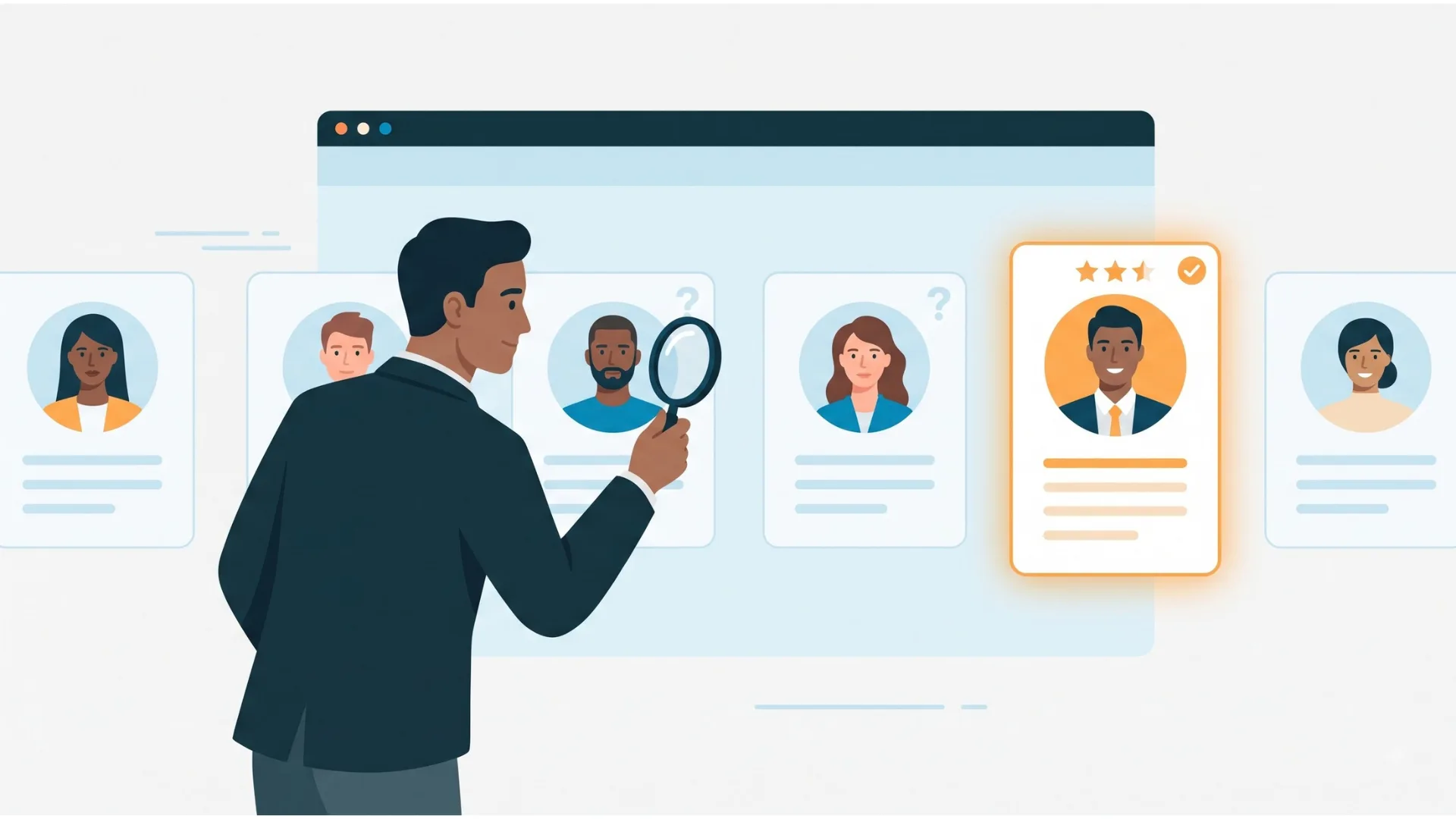


Workplace diversity has evolved from a compliance-focused issue into a clear business priority. Research from McKinsey and other studies shows that diverse teams often perform better and help organisations stay more competitive for recruiters. This means diversity hiring requires more than good intentions. It needs a planned approach to attract, engage, and hire talent from different backgrounds.
In this article, we will explore what workplace diversity means, why it matters for business growth, and eight practical strategies recruitment teams can use to build a stronger, more diverse talent pipeline.
TL;DR
- Diversity, equity, and inclusion (DEI) have evolved over decades to become crucial in modern workplaces.
- Diverse talent pipelines drive creativity, innovation, and better business competitiveness.
- Effective DEI promotion includes inclusive job listings, diverse hiring channels, and bias reduction strategies.
- Implementing structured interviews and leveraging AI-driven recruitment tools helps remove biases.
- Maintaining contact with declined candidates and refining employer branding further support diverse recruitment.
- Top organisations set benchmarks by embracing DEI and aiming for balanced workforces.
- Ongoing education and diverse hiring panels are key to minimising unconscious bias in recruitment.
While the diversity that emerged in 1940 was shaped by the civil rights movement, the movement in 1960 successfully extended further opportunities for cultural and ethnic diversity in the workplace. However, looking towards the evolution of the concept of diversity till 2022, it took decades for all business leaders to understand the value and meaning of diversity, equity, and inclusion.
Why DEI Matters in the Workplace
Diversity in the workplace refers to an inclusive culture in which different groups and perspectives are represented, and everyone's contributions are valued and respected.
Diversity can lead to better decision-making, innovation and creativity, and a more positive work environment. But it also challenges every recruiter in building a diverse talent pipeline.
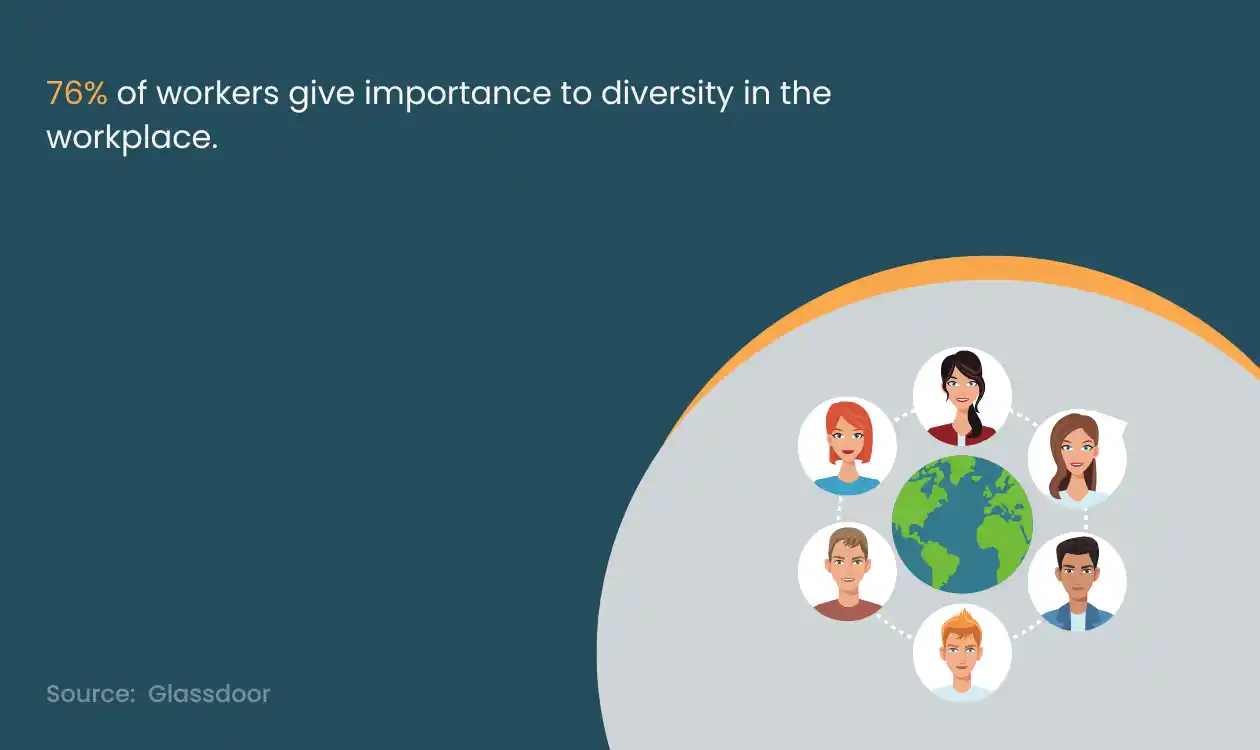
Moving ahead for more insights on building a diverse talent pipeline, let us understand what a talent pipeline is. And the importance of diversity and inclusion in the workplace with the DEI initiative. For more understanding, here are some examples of workplace diversity, equity and inclusion.
DEI initiatives examples
Hiring professionals must practice diversity recruitment, inclusive language, bias training, mentorship and sponsorship programs, employee resource groups, flexible work arrangements, and pay equity are examples that will help to build strategies for them to create a diverse talent pipeline.
What is a Talent Pipeline?
A talent pipeline is a pool of pre-qualified candidates your organisation can draw from for current and future roles. A diverse talent pipeline takes this further by intentionally ensuring that the pool reflects a broad range of backgrounds, experiences, identities, and perspectives. The significance of the talent pipeline is that it provides consistent access to your hiring team to engage potential candidates for prospects.
Building that pipeline is not a one-time exercise. It requires consistent effort across your employer brand, sourcing channels, hiring process, and organisational culture. So, the recruiting team has become more focused on increasing brand reputation through effective recruitment marketing, prioritising mainly diversity and inclusion.
Below are the benefits of diversity and inclusion in the workplace that will help you answer why it is essential.
The Key Benefits of Diversity, Equity, and Inclusion in the Workplace
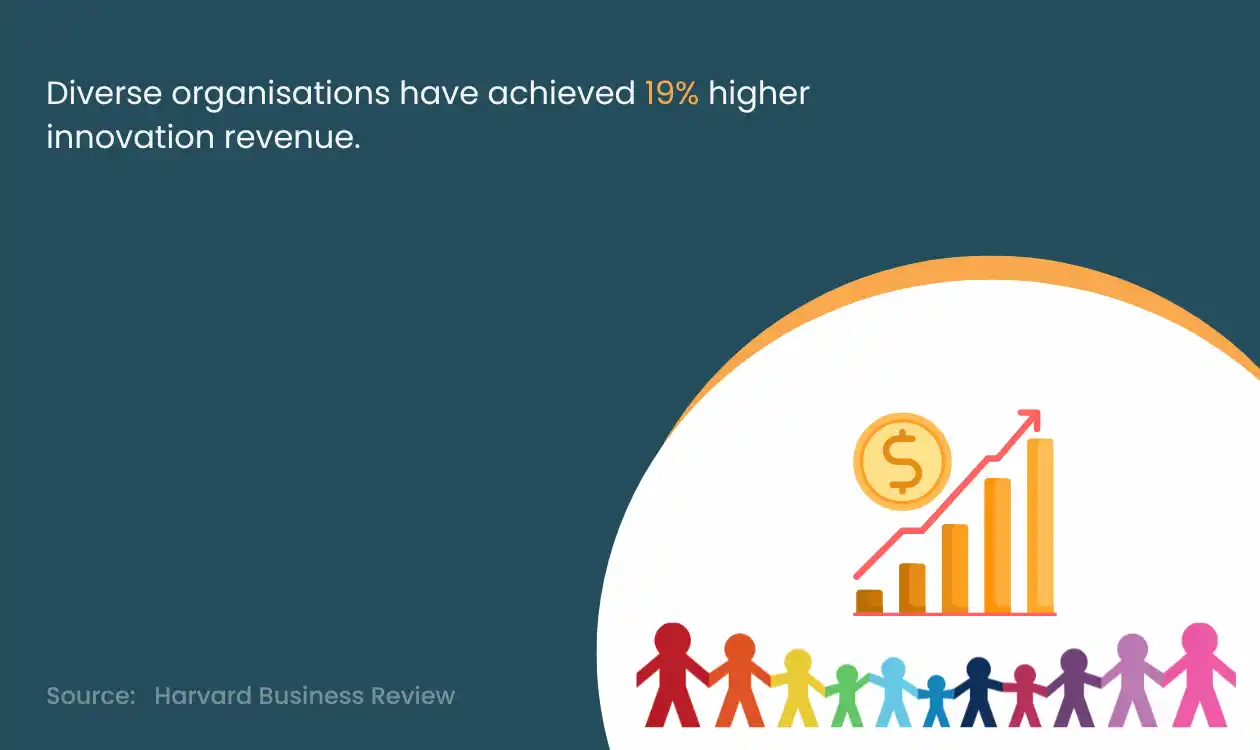
- In fact, millennials and Gen Z are the most diverse generations now. Therefore, every organisation must emphasise diversity, equity, and inclusion to build an extensive talent pool for growth.
- A significant benefit of a diverse workplace is that it drives more creativity and innovation, motivating the team to think outside of the box.
- Giving your employees a safe space to voice their ideas on various topics, from new products to new markets, leads to more diverse options when making decisions or solving problems.
- One research by McKinsey & Company mentioned in its report that companies with diverse management better compete with their competitors.
DEI Drives Creativity and Innovation
Giving employees a safe space to voice ideas, challenge assumptions, and bring different lived experiences to the table generates more options when solving problems or entering new markets. Diverse teams consistently outperform homogenous ones precisely because no single perspective dominates the decision-making process.
Knowing the importance of diversity, equity and inclusion, one should also know how to promote DEI in the workplace.
How to promote diversity, equity and Inclusion in the workplace
1. Diversity - Use diverse job boards, ensure representation at every level, and address and eliminate biased hiring practices. This includes not only race and gender but also age, disability, socioeconomic background, neurodiversity, and more.
2. Equity - Having transparency around wages, and implementing a workforce education program is about fairness in access and outcomes, including pay transparency, equitable promotion pathways, and removing structural barriers.
3. Inclusion - Support open communication, be pronoun-friendly and accommodating all holidays is the day-to-day experience of belonging. Inclusive workplaces support open communication, accommodate different needs, and ensure every voice carries weight.
Practical examples of DEI initiatives include inclusive hiring practices, bias training programmes, mentorship and sponsorship schemes, employee resource groups (ERGs), flexible working arrangements, and pay equity audits.
Once you've promoted DEI in the organisation, the next step is designing and implementing your DEI strategies.
10 Proven Strategies for Building a Diverse Talent Pipeline
1. Strengthen Your Employer Brand Around DEI
Your employer brand is often the first thing a candidate evaluates before they ever read a job description. About two in three employees and job seekers trust current or former employees most when assessing what a company's diversity and inclusion culture actually looks like, ranking them far above senior leaders, the company website, or recruiters. That means the strength of your DEI employer brand depends largely on the authentic experiences of your people, not your marketing copy.
To know the importance of diversifying your employer's brand is to look into the current facts that Glassdoor has published in its report; it shows that 86﹪ of employees and job seekers consider company reviews and ratings before applying for a job, while 50﹪ of candidates admit that even if they are offered higher pay, they are never willing to work for an organisation with a negative reputation.
Promoting your employer's brand on different job boards focusing on DEI can effectively diversify your recruiting process. Moreover, Glassdoor and LinkedIn are tools for potential job seekers to evaluate your company before applying. This insight can be an effective strategy for building a diverse candidate pipeline.
2. Leverage Diverse Sourcing Channels
There are various platforms available to post your jobs. However, posting and promoting a job on a specific forum, for example, only on LinkedIn, will prevent you from potentially sourcing diverse talent from the massive talent market. Relying on a single job board or talent network significantly narrows the diversity of your candidate pool. Posting exclusively on mainstream platforms means the candidates you attract are likely to reflect the demographics already using those platforms most actively.
To reach underrepresented groups more effectively, consider:
- Niche job boards focused on specific communities (veterans, people with disabilities, historically underrepresented ethnic groups, LGBTQ+ professionals
- University partnerships with institutions serving diverse student bodies
- Community organizations, professional associations, and grassroots talent programmes
- Social media platforms beyond LinkedIn, including X (formerly Twitter) and community-driven networks
Therefore, it is always better to leverage all the various platforms available to post jobs that help reach underrepresented groups and minorities.
3. Write Inclusive Job Listings
The first important step that every employer needs to work on is to change techniques to write an inclusive job listing that should be significantly comprehended and understood by any candidates, irrespective of their backgrounds.
Certain studies show that language matters. Research consistently shows that specific words and phrases in job descriptions either attract or deter candidates from underrepresented groups, often unconsciously.
Masculine-coded language, unnecessarily lengthy requirements lists, and corporate jargon can reduce applications from women, ethnic minorities, neurodivergent candidates, and those from non-traditional educational backgrounds. Diversity-focused job postings help employers attract 26﹪ more female candidates.
When writing job listings:
- Focus on outcomes and skills rather than credentials or years of experience, where those requirements are not genuinely necessary
- Remove gendered adjectives (for example, "aggressive" or "nurturing")
- Avoid age-coded language such as "digital native" or "recent graduate"
- Include an explicit commitment to reasonable adjustments and inclusive hiring
- Use tools such as Textio or Gender Decoder to audit language before publishing
Using such strategies, highlighting diversity, equity, and inclusion while crafting a job description will help you broaden your diverse talent pipeline.
4. Encourage Diverse Employee Referral Programmes
Encouraging diverse employee referral programs can be a productive way to build a diverse candidate pipeline. Without structure, referral schemes tend to reproduce the demographics already present in your workforce, as people naturally recommend others within their existing social networks.
To make referrals work for diversity:
- Specifically encourage referrals from underrepresented employee groups
- Consider incentivizing referrals that result in hires from minority backgrounds
- Track referral data by diversity dimensions to identify patterns and gaps
- Use referrals to complement, not replace, broader sourcing strategies
When an existing employee from a minority background recommends a candidate, it also sends a signal to that candidate that your organization is a place where people like them belong.
5. Use an AI-driven Recruitment Management System
Leveraging an Artificial intelligence-driven Applicant Tracking System is one approach to ensure that bias is completely removed from your resume screening process.
Blind screening features that remove names, profile photos, educational institutions, and other demographic identifiers allow hiring teams to evaluate candidates on skills and experience alone. Skills-based assessment tools can further reduce the influence of background on shortlisting decisions.
However, AI is not inherently bias-free. 55﹪ of employers are unsure whether AI is helping or hurting diversity hiring, which underscores the importance of regularly auditing the outputs of any AI-assisted screening process. If a model has been trained on historically biased hiring data, it may replicate rather than correct those patterns.
Although automation in the latest Talent Acquisition Software helps shortlist high-potential candidates based on their skills & experience free from any favouritism, it also supports blind screening that overlooks the applicant's gender, name, ethnicity, etc., to maximize the chances of making the pipeline more diversified.
6. Build a Structured Interview Process.

A structured interview process is quite a simple way where the same sets of questions are asked, incorporating skill assessment for all the qualified candidates. It also includes a candidate scorecard, a standardised procedure for evaluating candidates based on predefined questions that prevent hiring bias and support creating a more diverse work culture.
This approach does not remove human judgment. It channels it through a consistent framework that makes it far easier to compare candidates fairly and defend hiring decisions objectively. So far, structured interviews encourage an equitable and rigorous hiring procedure that will likely build a diverse team by eliminating unfairness among all the job applicants.
7. Reduce Unconscious Bias at Every Stage
Unconscious bias is not a personal failing. It is a cognitive shortcut that every person, including experienced hiring managers, uses to process information quickly. In recruitment, it can lead to systematic disadvantage for candidates who do not fit a familiar pattern.
The most effective way to reduce unconscious bias is not to eliminate it from any one individual but to design a process that limits its influence overall. Key interventions include:
- Diverse hiring panels that include people of different genders, ages, ethnicities, and functional backgrounds
- Practical bias training that goes beyond awareness to equip recruiters with concrete tools for identifying and interrupting biased thinking
- Standardised evaluation criteria are applied consistently before panel discussions begin
- Structured debrief processes that require interviewers to evidence their assessments with specific observations rather than general impressions
8. Maintain Contact with Candidates Who Decline or Were Not Selected
Your diverse talent pipeline does not end with a decision. Candidates who decline offers or are not selected for a particular role can still become part of your future talent pool, and the experience you give them during the process shapes your reputation in communities you may be trying to reach.
Make a point of following up with candidates who declined your offer to understand why. If you notice that candidates from diverse backgrounds are declining at higher rates than others, that is a signal worth investigating. It may point to issues with your interview experience, your offer package, your team culture, or how your organisation is perceived from the outside.
This will allow you to identify drawbacks and encourage you to set better strategies that will help attract and retain candidates. Building a diversified talent pipeline necessitates a deliberate and careful approach, which will pay off in the long term by allowing you to reap the benefits of a more profitable, vibrant, and multifaceted workplace culture.
9. Adopt a Skills-Based Hiring Approach
One of the most impactful structural shifts a recruitment team can make is moving away from credential-based filtering toward skills-based hiring. Traditional requirements such as specific degree qualifications can inadvertently screen out highly capable candidates who gained their expertise through alternative routes, including self-study, apprenticeships, vocational training, or non-linear career paths.
Research shows that skills-based hiring is five times more predictive of future performance than educational credentials and 2.5 times more predictive than work experience. Companies using skills-based assessments are 50﹪ more likely to achieve their diversity and inclusion goals.
In practice, skills-based hiring means:
- Replacing blanket degree requirements with specific, role-relevant competencies
- Using standardised skills assessments and work-sample tasks as part of the screening process
- Evaluating candidates on demonstrated ability rather than perceived potential based on pedigree
- Reviewing job descriptions regularly to remove credential barriers that are not genuinely necessary
Fewer than one in five (17.8﹪) of U.S. job postings required a four-year degree or more in January 2024, reflecting a broad industry shift that forward-thinking recruitment teams are now leading rather than following
10. Launch Returnship and Career Re-entry Programmes
A significant and often overlooked source of diverse talent is the pool of experienced professionals who have taken career breaks. These individuals, many of whom are women returning after caregiving responsibilities, people who took time out for health reasons, or those who pursued non-traditional paths, frequently possess deep expertise, maturity, and strong soft skills. Yet conventional hiring processes tend to penalise gaps on a CV rather than recognise the value such candidates bring.
Returnship programmes, structured paid re-entry opportunities that include mentorship, skills refreshment, and gradual reintegration into full-time work, address this directly.
The results are compelling. Schneider Electric achieved an 88﹪ conversion rate of returnship participants into full-time roles. Mott MacDonald achieved a 50-50 gender distribution in their returnship hires. Morgan Stanley reports that over 60﹪ of their returnship graduates remain with the firm long-term.
For organisations looking to implement a returnship programme, the key elements include:
- Designing roles specifically suited to returners, with realistic scope and flexibility built in
- Providing structured mentorship and a dedicated programme manager
- Removing CV gap bias from the screening process entirely
- Setting clear pathways from the returnship into permanent employment
- Advertising through specialist platforms such as Path Forward and iRelaunch, which connect returners with employer programmes
Returnship programmes also present a unique opportunity to signal genuine commitment to DEI by actively combating age discrimination and broadening representation beyond the metrics most organisations already track. When combined with the other strategies in this article, they help build a pipeline that draws from the full breadth of available talent rather than a narrow slice of it.
Final Thought on the Diverse Talent Pipeline
The case for building a diverse talent pipeline has never been stronger, commercially, culturally, or from a talent acquisition standpoint. Approximately 80﹪ of employees want to work for companies that value diversity, equity, and inclusion. Organisations that treat DEI as a core business priority, rather than a compliance obligation, will find themselves better placed to attract, retain, and develop the talent that drives long-term performance.
Building a diverse pipeline takes consistent effort, honest data, and a willingness to examine and redesign processes that may have served a narrower purpose in the past. The organizations doing this well are not doing it perfectly. They are doing it deliberately, measuring what matters, and improving over time.
For example, an article by the Economic Times stated how well-known FMCG Britannia aimed to have 50﹪ women in its entire workforce by 2024.
On the other hand, a famous brand, Titan, promotes a more diverse & inclusive workforce by making a few amendments to its policies.
Still, want help with conducting hiring tasks efficiently? If so, then click the image below and book a demo.
See how our highly scalable recruitment software can help you streamline your hiring process from sourcing the candidates to hiring the most suitable talent faster and more effectively.

FAQs - Frequently Asked Questions
1. What is a diverse talent pipeline and why does it matter?
A diverse talent pipeline is a recruitment strategy that proactively attracts candidates from a wide range of backgrounds, identities, and experiences. It matters because diverse teams drive stronger innovation, better decision-making, and improved business performance, while also reflecting the communities organisations serve.
2. How do diversity, equity, and inclusion differ from one another?
Diversity refers to who is represented in a workforce. Equity is about ensuring fairness in how opportunities, pay, and progression are distributed. Inclusion is about the lived experience of belonging at work, meaning that diverse employees feel valued, heard, and able to contribute fully.
3. What are the most effective ways to attract candidates from underrepresented groups?
Key approaches include using niche job boards that reach specific communities, writing inclusive job descriptions free from biased language, building a transparent employer brand, engaging community organisations, and offering flexible working arrangements that remove barriers to participation.
4. How does unconscious bias affect hiring and how can it be reduced?
Unconscious bias influences decisions without deliberate intent, often leading hiring managers to favour candidates who resemble people already in the organisation. It can be reduced through structured interviews, diverse hiring panels, standardised evaluation criteria, and regular bias awareness training.
5. What is a structured interview and how does it support diverse hiring?
A structured interview uses the same predetermined questions and scoring criteria for every candidate. This consistency reduces the influence of personal affinity and makes it easier to compare candidates objectively, resulting in fairer outcomes and a stronger defence against bias-related legal challenges.
6. Can AI tools help build a more diverse talent pipeline?
Yes, when used responsibly. AI-driven applicant tracking systems can enable blind screening and skills-based shortlisting, which reduces the influence of demographic factors on early-stage decisions. However, these tools must be regularly audited to ensure they are not reproducing historical biases present in their training data.
7. What role does employer branding play in diversity recruitment?
A strong employer brand signals to potential candidates what it is genuinely like to work at your organisation. For diverse candidates, authentic signals such as employee stories, published DEI commitments, and representation in company materials carry more weight than generic diversity statements.
8. How should organisations measure progress on building a diverse talent pipeline?
Track representation at each stage of the hiring funnel by demographic group: applicants, longlisted candidates, shortlisted candidates, offers made, and hires. Compare these against relevant benchmarks and set time-bound targets. Also, monitor offer decline rates and early attrition by demographic to identify retention gaps.
9. What is the difference between diversity recruitment and inclusive hiring?
Diversity recruitment focuses on attracting a broader range of candidates. Inclusive hiring refers to designing a process where all candidates, regardless of background, have a genuinely fair opportunity to succeed. Both are necessary: attracting diverse candidates to an exclusionary process achieves little.
10. How can small organisations build a diverse talent pipeline without large HR budgets?
Small organisations can start by auditing job descriptions for biased language, partnering with community organisations and universities, using free or low-cost diverse job boards, training interviewers on structured interview techniques, and building a transparent culture that candidates from underrepresented groups can verify through public reviews.
About the Author