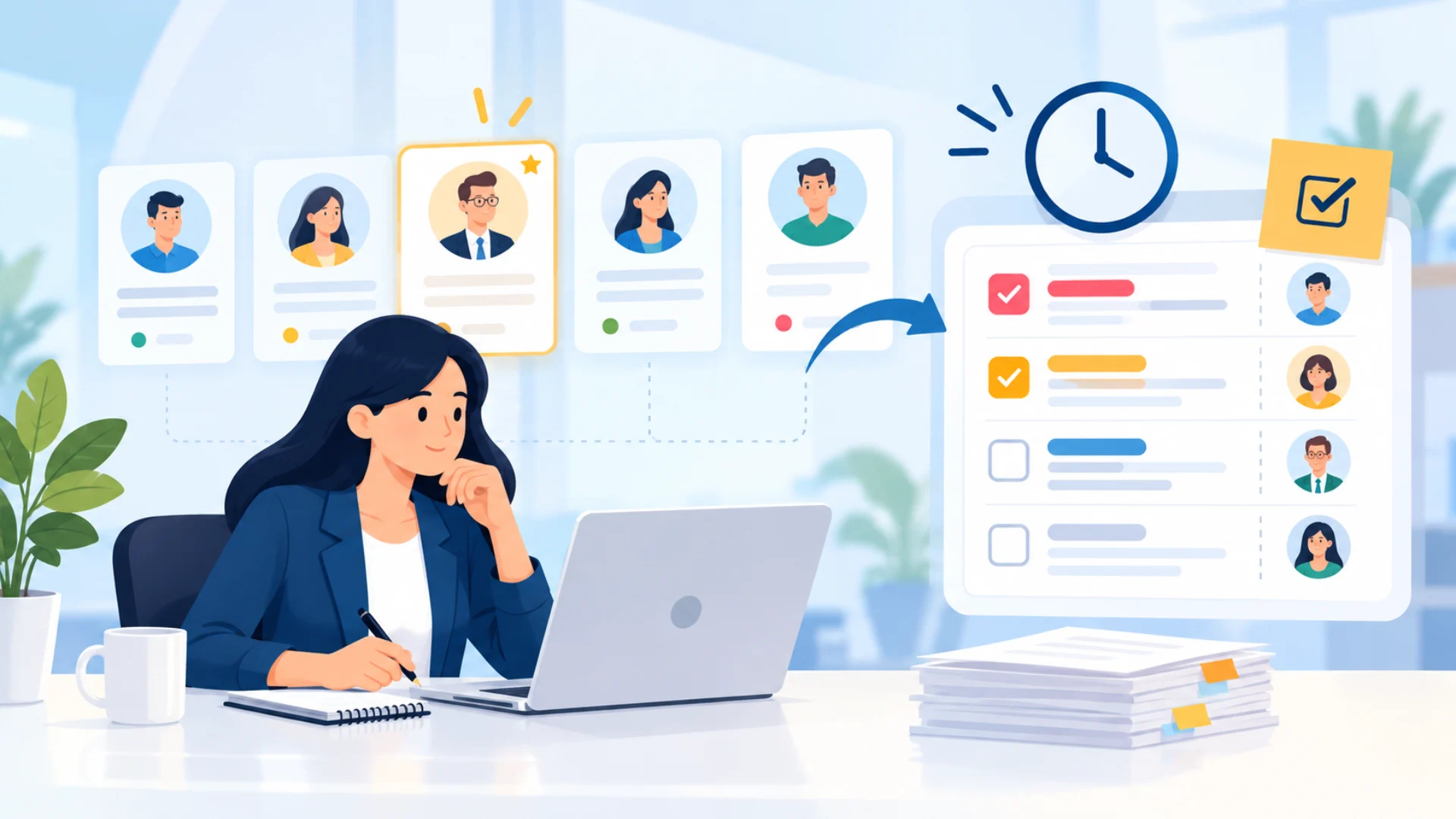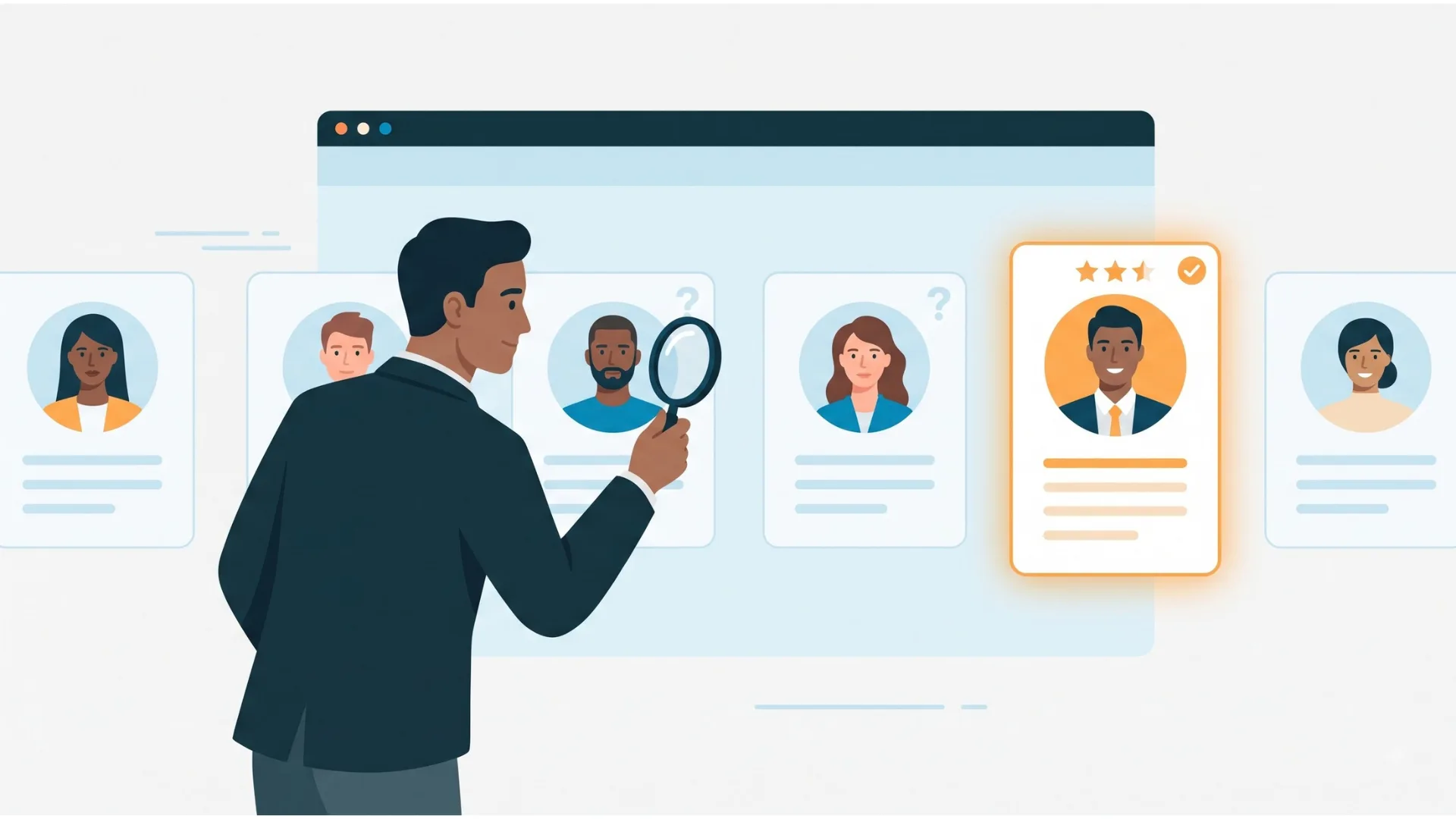

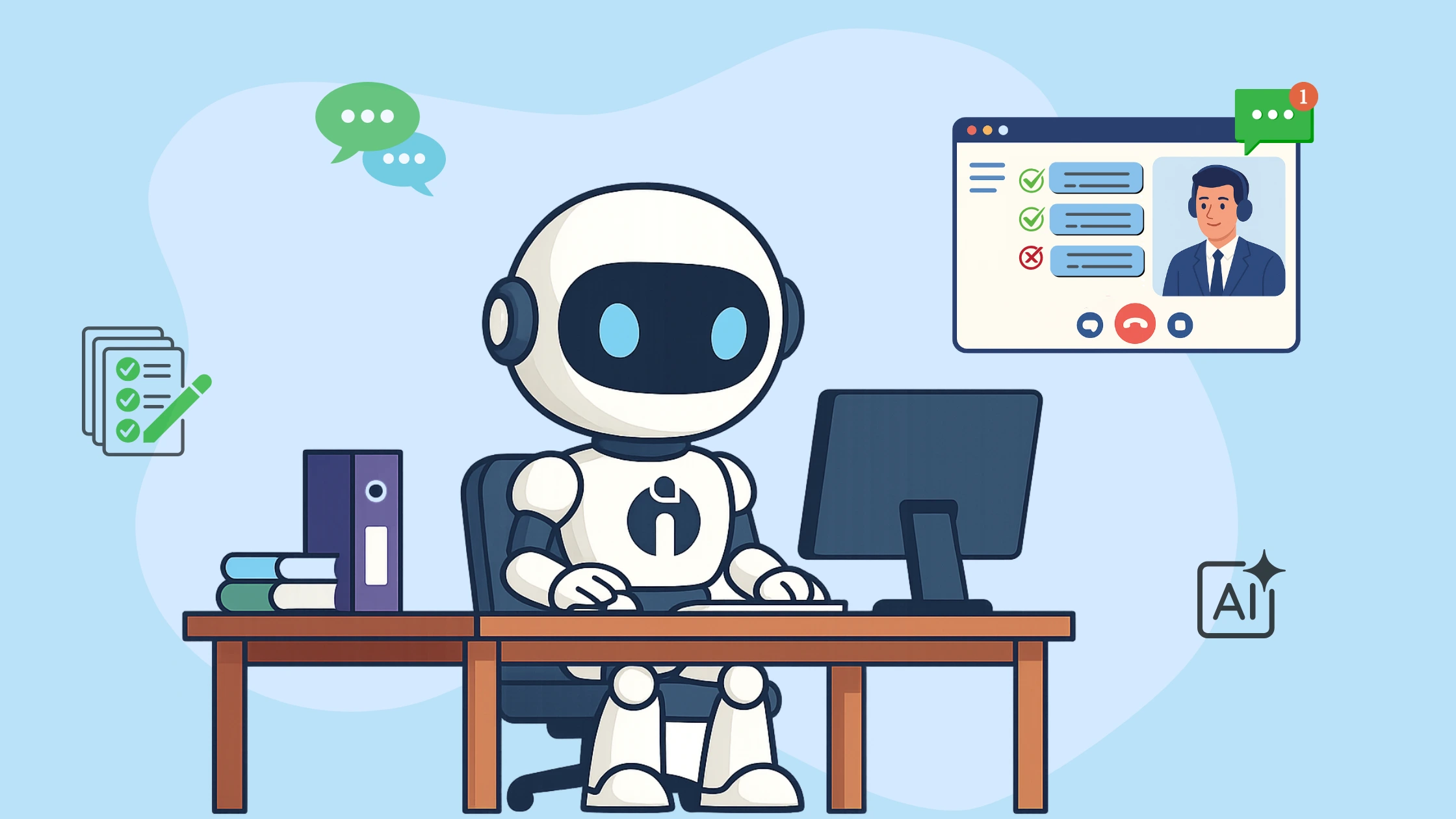
AI-powered interviewing is no longer a novelty. It is becoming a core part of recruitment stacks used by HR teams, talent acquisition professionals and executive search consultants. From AI Resume parser features inside an Applicant Tracking System to automated candidate pre-screening and AI-job matching, the tools available today speed decision-making and surface better matches. This article explores what HR teams must know about AI-powered interviewing in 2026, with practical guidance on implementation, governance, candidate experience and measurable outcomes.
TL;DR
- AI-powered interviewing speeds screening and improves consistency in candidate evaluation
- Combine AI tools with structured interviews to reduce bias and protect candidate experience
- Integrate AI with your ATS or Recruiting CRM for seamless workflows and data continuity
- Prioritise transparency, data privacy and validated models when choosing solutions
- Measure impact with time to hire, quality of hire and candidate satisfaction metrics
- Start with pilot projects, iterate rapidly and train hiring managers on new workflows
- Use AI as augmentation not replacement for human judgement
Why AI-powered interviewing matters now
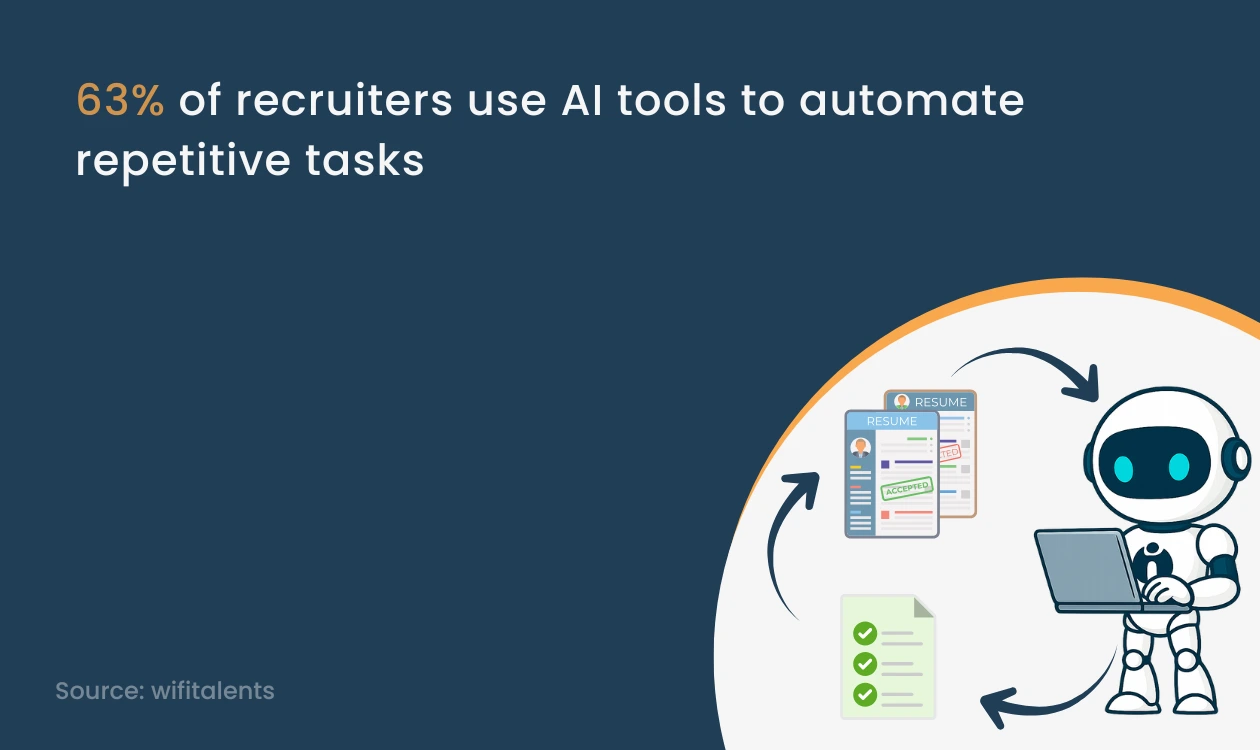
The recruitment landscape is under steady pressure to hire faster, reduce bias and improve candidate quality. AI-powered interviewing addresses several of these priorities by automating routine tasks, standardising evaluations and freeing hiring managers to focus on higher-value decisions. When AI tools are integrated with an Applicant Tracking Software or Recruiting CRM Software, data flows smoothly from job posting to offer, reducing manual data entry and improving reporting. Adoption is already widespread - 63% of recruiters now use AI tools to automate repetitive tasks, from screening to scheduling, showing how quickly these technologies have become embedded in day-to-day hiring workflows.
Multiple industry studies report reductions in time to hire of 20 to 35 percent when AI-assisted interviewing and automated screening are used. That is not just speed. It often translates into lower cost per hire and better candidate pipelines for in-demand roles.
What AI-powered interviewing actually does
- Automated screening: AI Resume parser and keyword matching filter candidates against job criteria inside your ATS so recruiters see the best matches first.
- Scheduling and pre-interview tasks: Chatbots and scheduling assistants reduce back-and-forth and improve candidate experience.
- Structured video interviews: Tools can capture responses, transcribe answers and highlight competency signals for reviewers.
- Skill and simulation assessments: Automated scoring of coding tests, case simulations and role plays helps standardise evaluation.
- Interview guides and calibration: AI can propose structured questions and scoring rubrics aligned to the job profile to ensure fairer assessment.
Practical implementation steps
Follow a phased approach. Start small, measure impact and scale when you have evidence of value. A recommended rollout sequence is:
- Audit current workflows: Map your interview stages, data sources and pain points within Applicant Tracking System and Recruiting CRM processes.
- Select pilot roles: Choose roles with volume or high variance in candidate quality such as customer service or software engineering.
- Integrate rather than replace: Connect new AI-powered interviewing tools to your ATS, Recruiting CRM or Executive Search Software to preserve data integrity.
- Define success metrics: Choose time to hire, interview-to-offer rate, quality of hire and candidate Net Promoter Score as primary KPIs.
- Train hiring teams: Provide clear guidance on how AI suggestions should be used and how human judgement remains essential.
Governance, fairness and privacy
Concerns about bias, poor model design and data privacy are valid. HR teams must create guardrails that protect candidates and the organisation.
- Model validation: Require vendors to share validation reports showing how models perform across demographic groups. Ask for methodology, sample sizes and error rates.
- Transparency: Communicate to candidates when AI is used, what data is processed and how decisions are supported.
- Data minimisation: Store only what you need in your Applicant Tracking Software and retain records in line with privacy rules.
- Human oversight: Ensure final hiring decisions rest with humans and that interviewers can override AI recommendations with documented reasons.
Integrating AI with ATS and Recruiting CRM
One of the most immediate advantages of AI-powered interviewing is realised when it integrates tightly with an Applicant Tracking System or Recruiting CRM. Integration ensures candidate data from AI Resume parser and AI-job matching tools is available where recruiters already work. It cuts duplication and prevents candidate frustration caused by repeated data capture.
Choose vendors that offer robust APIs and pre-built connectors for common Applicant Tracking Software platforms. Confirm whether interview transcripts, scored assessments and candidate consent records persist in the ATS for audit and reporting needs.
Designing fair interview workflows
Design matters more than technology. Structured interviews and competency-based scoring reduce subjective bias and improve predictive validity. Combine structured question banks created in your ATS or Recruiting CRM with AI-suggested probes. Use the same scoring rubric for each candidate and require interviewers to justify outlier scores.
Example: A medium-sized UK fintech used structured interviews plus AI-assisted pre-screening to hire 120 customer success staff. The company reported a 28 percent reduction in time to hire and improved first year retention by 12 percent after standardising interview rubrics and integrating the solution with their Applicant Tracking System.
Candidate experience and communication
Candidate experience remains a major factor in employer brand. AI-powered interviewing can improve experience when implemented thoughtfully. Use chatbots to confirm interview slots, deliver prep materials and provide transparent feedback timelines. Avoid over-automation that leaves candidates feeling disengaged.
When using recorded video interviews or automated assessments, offer alternatives for candidates with limited bandwidth, accessibility needs or those who prefer live formats. Record and store consent in your Applicant Tracking Software to meet compliance requirements.
Measuring success
Track both efficiency and quality metrics. Core measures include:
- Time to hire and time in stage
- Interview to offer ratio
- Acceptance rate and offer decline reasons
- Quality of hire is measured by early performance and retention
- Candidate satisfaction and NPS
Analytical capabilities inside a Recruiting CRM or Applicant Tracking System can help correlate AI recommendations with long-term performance, revealing which models and settings truly add value.
Risks and how to mitigate them
AI-powered interviewing reduces workload but introduces risks. Address them proactively.
- False confidence: Avoid treating AI output as truth. Encourage hiring teams to probe and validate suggestions.
- Bias leakage: Monitor for proxies that reintroduce bias, such as unusual filtering rules or over-weighted experience signals.
- Regulatory risk: Keep abreast of local employment and privacy laws. Document decisions and model versions for auditability.
- Candidate trust: Provide clear opt-out routes and human contact points to maintain goodwill.
Vendor selection checklist
When evaluating solutions, use a checklist that covers technology, governance and operational fit:
- Proven integrations with leading Applicant Tracking Software and Recruiting CRM platforms
- Transparent model validation and bias testing reports
- Customisable interview guides and scoring rubrics
- Data processing agreements and local data residency options
- User training and change management support
- Ability to export audit logs and interview transcripts
Real example and insight
Case: A European retail chain implemented an AI-powered interviewing layer that worked with their ATS and AI Resume parser. The pilot covered seasonal hires and used chat scheduling, a short skills assessment and a structured video interview. The pilot saved recruiters four hours per 100 candidates and raised the interview to hire conversion by 15 percent. The organisation emphasised candidate transparency by including a consent screen and an FAQ within the application process.
"We treated AI recommendations as decision support rather than decisions. That kept hiring managers in control while we realised big efficiency gains."
Insight: Organisations that succeed treat AI-powered interviewing as a people process improvement, not just a technology purchase. They pay as much attention to change management and interviewer behaviour as they do to model performance.
Future signals HR teams should watch
Expect continued advances in natural language understanding, better integration of work sample assessments, and improved multimodal evaluation where audio, video and coding exercises combine to form richer candidate profiles. Keep an eye on regulation trends as governments clarify rules on automated decision-making in employment.
Practical tips to get started this quarter
- Identify two roles for a pilot and define KPIs up front
- Choose a vendor that integrates with your Applicant Tracking System to avoid data silos
- Prepare a candidate communication plan that explains AI use and collects consent
- Run bias checks with your own historical data and request vendor validation reports
- Train hiring managers on using AI recommendations and interpreting scores
Conclusion
AI-powered interviewing will reshape recruitment in practical ways that matter to HR teams, and organisations that invest early in AI-powered interviewing solutions will gain faster, fairer and more consistent hiring processes. The benefits are real but only if teams manage risks, integrate tools with Applicant Tracking Software and keep human judgement central. By piloting carefully, measuring impact and enforcing governance, talent teams can use AI-powered interviewing to deliver fairer, faster and more predictable hiring outcomes.
Frequently Asked Questions (FAQs)
1. Is AI-powered interviewing regulated in 2026?
Yes. Many regions now require transparency, bias audits, and human oversight when AI is used in hiring decisions.
2. How does AI-powered interviewing reduce bias?
It standardises screening and scoring, but must be validated regularly to prevent hidden data bias.
3. Can AI-powered interviewing predict quality of hire?
It improves prediction by analysing structured data and performance trends, especially when integrated with an ATS.
4. What are the biggest risks of AI-powered interviewing?
Over-reliance on automation, hidden bias, compliance issues, and reduced candidate trust.
5. How should HR teams prepare for future AI advancements?
Strengthen structured interviews, improve ATS data quality, train hiring managers, and monitor regulations.
About the Author