
TL;DR
- AI in HR workflows can cut time to hire by up to 40 per cent when applied to screening and scheduling.
- Start with small pilots, clear success metrics and role-specific use cases.
- Prioritise data quality, privacy and explainability before scaling.
- Design human-centred decision points and clear escalation paths.
- Integrate AI with ATS, HRIS and calendars using APIs and middleware.
- Measure both outcome and experience metrics to prove ROI.
- Create a cross-functional governance team to manage bias and compliance.
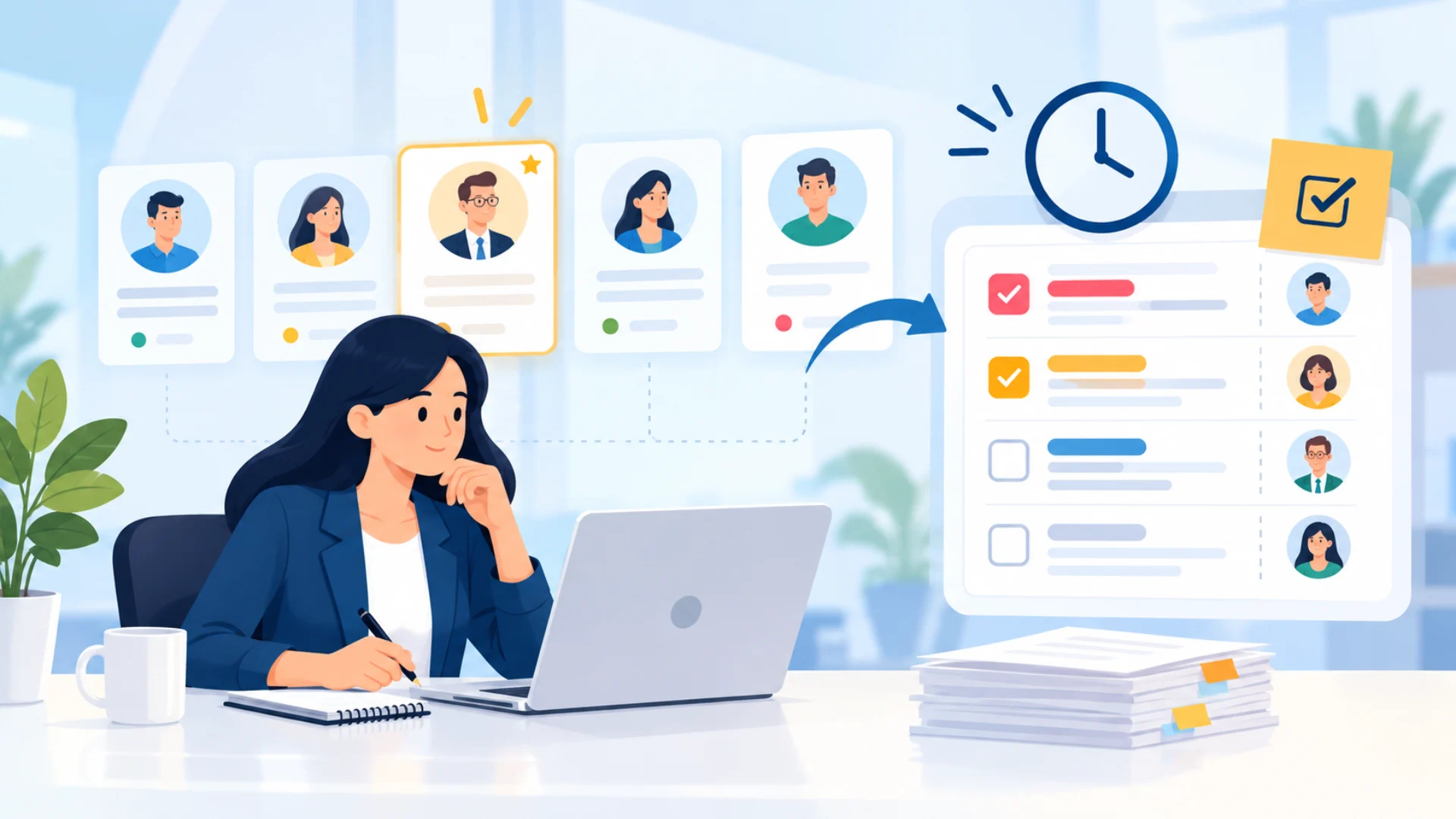
AI in HR workflows is no longer an optional experiment. Talent teams are under pressure to hire faster, improve employee experience and make better workforce decisions. Well-implemented AI in HR workflows automates repetitive tasks, improves candidate and employee interactions and frees recruiters to focus on judgment and relationship building. This guide offers practical steps, governance advice and real examples to help HR leaders move from pilot projects to scaled adoption while managing risk and maintaining trust.
Why AI in HR workflows matters now
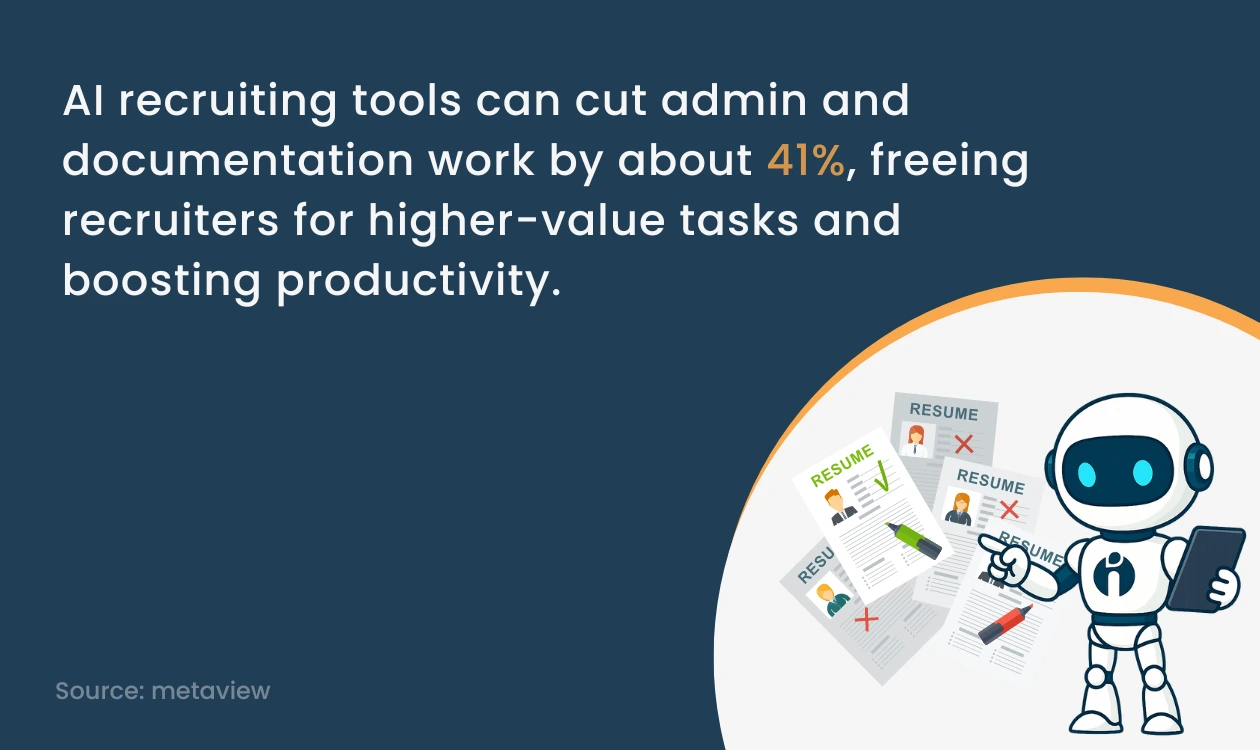
There are three converging reasons organisations must take AI in HR workflows seriously. First, talent shortages and rising recruitment costs mean efficiency gains matter. Second, candidates and employees expect fast, personalised interactions. Third, modern staffing software and ATS platforms now offer mature APIs and integrations that make automation feasible. Industry studies suggest automation can reduce time to hire by up to 40 percent in high volume roles, while other pilots report 15 to 30 percent improvements in recruiter productivity. More broadly, AI tools for recruiting such as screening, scheduling and communication automation have been shown to reduce administrative and documentation workload by around 41﹪ in recent studies, giving recruiters more time for high-value tasks and improving overall productivity. When used responsibly, AI in HR workflows augments human expertise rather than replacing it.
Major challenges when integrating AI in HR workflows
Understanding common obstacles helps you design better implementations. The main challenges are data quality and integration, bias and fairness, privacy and compliance, change management, technical integration and governance.
- Data quality and integration: HR data is often siloed across ATS, HRIS and spreadsheets. Inconsistent fields and missing values reduce model reliability and lead to poor recommendations.
- Bias and fairness: Historical hiring decisions can carry bias into training data. Without mitigation, AI in HR workflows risks perpetuating unfair outcomes and damaging reputation.
- Privacy and compliance: Employee and candidate data are sensitive. Regulations in the UK and EU require clear legal bases, transparency and the ability to exercise subject rights.
- Change management: Recruiters and hiring managers need confidence in AI outputs. Lack of transparency and training undermines adoption.
- Technical integration: Connecting AI modules to ATS, HRIS, payroll and learning platforms requires robust APIs, middleware and careful field mapping.
- Governance and oversight: Many organisations lack cross-functional policies for model validation, monitoring and incident response for AI in HR workflows.
Best practices for successful integration
Below are practical steps to address those challenges and build trustworthy AI in HR workflows. These practices are grounded in deployments I have advised and in industry guidance.
1. Start with clear use cases and success metrics
Pick high-value, low-complexity use cases for your first pilots. Typical candidates include CV parsing for high volume roles, interview scheduling automation and personalised learning recommendations. Define outcome metrics such as time to hire, candidate quality measured by hiring manager ratings, recruiter hours saved and candidate satisfaction. Clear metrics keep pilots measurable and aligned to business priorities.
2. Prepare and govern your data
Clean, documented data is the foundation of reliable AI in HR workflows. Build a data catalogue for HR sources, map fields between systems and set master data standards. Ensure data lineage is traceable so you can audit how inputs produce outputs - for teams building these governance foundations, understanding how lineage is tracked at the infrastructure level can be valuable context; Sonra provides a practical breakdown of how audit trails capture data transformations from source to output across pipelines. Where models do not need identifiable attributes, anonymise or pseudonymise data to reduce privacy risk.
3. Design human-centred decision points
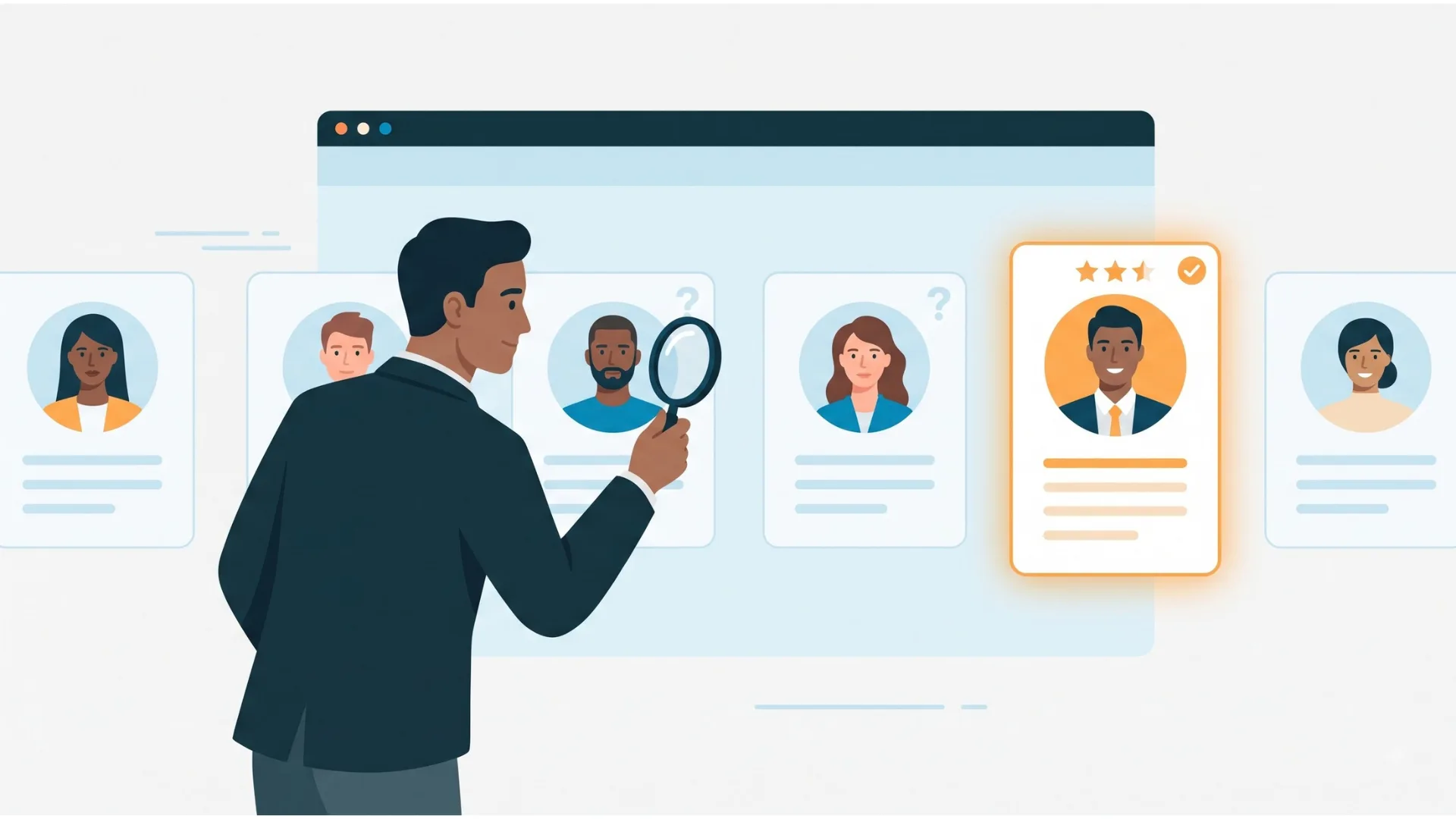
AI should inform rather than replace human judgement in hiring and performance decisions. Design workflows where AI provides ranked recommendations, confidence scores and clear reasons. Ensure recruiters and managers can view why a candidate was recommended and can override suggestions with mandatory justification. These design choices increase transparency and accountability for AI in HR workflows.
4. Mitigate bias proactively
Proactive bias mitigation is essential. Run fairness tests across protected groups and monitor selection rates, false positive rates and false negative rates. Use synthetic data augmentation where appropriate and consider removing sensitive attributes from training data while recognising that proxies may still exist. Document remediation steps and maintain a transparent audit trail as part of your governance framework.
5. Ensure privacy and legal compliance
Conduct Data Protection Impact Assessments for models that process employee or candidate personal data. Provide clear privacy notices, obtain lawful bases for processing and enable subject rights such as access and correction. If models make automated decisions that materially affect candidates or employees, implement human review and explainability to meet regulatory expectations in the UK and EU.
6. Integrate thoughtfully with existing systems
Integrations should be API first. Connect AI modules to your ATS and HRIS with secure authentication and standardised data contracts. Use middleware to orchestrate workflows when direct integrations are not available. For example, a CV parser can populate ATS fields automatically, and a scheduling assistant can link to calendars and hiring manager availability to eliminate back and forth. These connections make AI in HR workflows part of the operational fabric rather than a standalone tool.
7. Train users and manage change
Provide role-based training that focuses on how AI supports tasks and how to interpret outputs. Use practical exercises with real examples from your organisation. Appoint change champions within recruitment and HR operations to gather user feedback and iterate. Clear communication about the scope and limits of AI reduces resistance and aligns expectations.
8. Establish governance and continuous monitoring
Create a cross-functional governance team with HR, legal, data science and security stakeholders. Define model validation criteria, monitoring frequency and incident response procedures. Use dashboards to track performance drift, fairness metrics and system uptime. Continuous monitoring ensures AI in HR workflows remain reliable, fair and compliant over time.
Practical implementation roadmap
Follow this step-by-step roadmap to move from pilot to scaled adoption of AI in HR workflows.
- Assess: Map current HR workflows and identify automation opportunities aligned to business needs.
- Prioritise: Score use cases by impact, feasibility and risk, and select initial pilots accordingly.
- Pilot: Run a 60 to 90-day pilot with a defined dataset, success metrics and governance checks.
- Evaluate: Measure outcomes, gather user feedback and assess fairness indicators.
- Scale: Expand to adjacent roles or processes with improved data pipelines and governance.
- Optimise: Continuously tune models and workflows based on monitoring and stakeholder feedback.
Real-world examples
Example 1: A large retail chain combined CV parsing with rule-based filters and human review to automate screening for store roles. The pilot reduced the time to shortlist by 60 per cent and maintained hire quality. The retailer ran monthly fairness audits and mandated human sign-off for final offers to prevent automation drift.
Example 2: A professional services firm implemented personalised learning recommendations inside its HRIS. The model analysed skill gaps and career aspirations, then suggested courses and mentors. Within six months, engagement with learning programmes rose 25 per cent and internal mobility improved, reducing external hiring costs.
"We saw immediate time savings from scheduling automation and better candidate communication, while governance gave hiring teams the confidence to scale."
Measuring ROI for AI in HR workflows
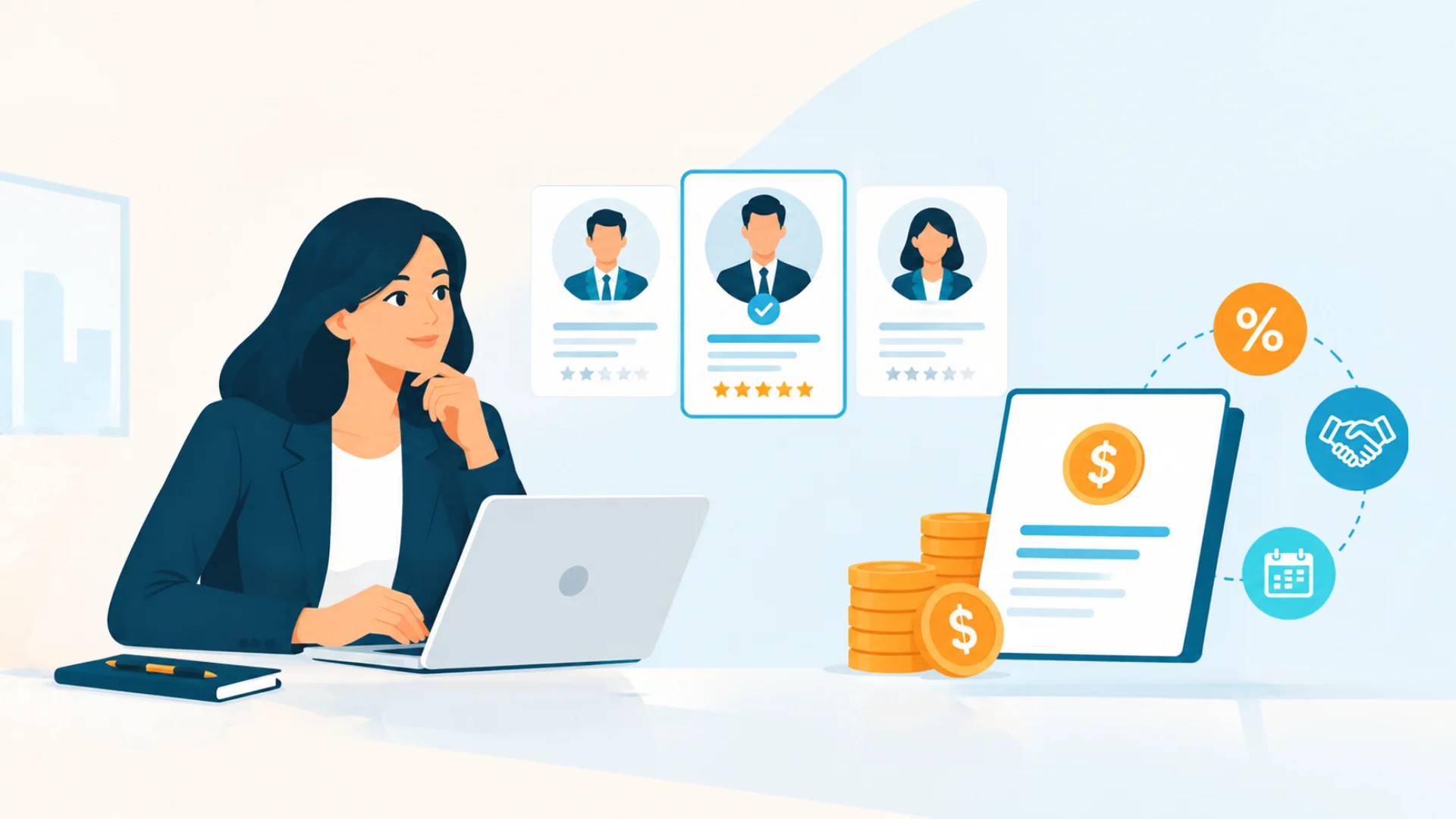
ROI should include both direct and indirect benefits. Direct metrics include reduced recruiter hours, lower agency fees and faster time to hire. Indirect benefits include improved candidate experience, reduced attrition and stronger employer brand. Combine quantitative metrics with qualitative feedback from hiring managers and candidates to build a robust business case for further investment in AI in HR workflows.
Technology and vendor considerations
Recruiters can start by adopting user-friendly AI recruitment platforms that simplify screening and workflow management. For example, tools like RecruitEase Pro focus on automating repetitive hiring tasks while keeping the process easy to manage.
When selecting vendors for AI in HR workflows, prioritise transparency on model training data, explainability features, API capabilities and compliance certifications. Prefer vendors that provide fairness testing, audit logs and customisation tools so models can be adapted to your organisation. Avoid black box solutions without clear audit trails or the ability to export data for validation.
Skills and organisational readiness
Successful adoption requires skills in data engineering, analytics and change management. Upskill HR operations teams on data literacy and partner with central data teams for infrastructure and governance. Consider forming a Centre of Excellence to share best practices, maintain standards and support repeatable deployments of AI in HR workflows.
Common pitfalls to avoid
- Skipping data preparation and expecting models to work out of the box.
- Deploying opaque models without explainability for hiring decisions.
- Failing to monitor model drift and fairness over time.
- Assuming AI will replace the need for good hiring practices and human oversight.
Conclusion
AI in HR workflows offers tangible benefits for recruitment and people operations when implemented with care. Prioritise clear use cases, solid data governance, human-centred design and continuous monitoring. Start small with pilot projects, measure both outcome and experience metrics and scale progressively under cross-functional governance. With the right processes, skills and vendor choices, organisations can improve hiring speed, candidate experience and workforce planning while managing risks associated with privacy and bias.
Frequently Asked Questions (FAQs)
1. Will AI replace recruiters?
No. AI in HR workflows is designed to augment recruiters by automating routine tasks, improving candidate matching and providing decision support. Recruiters continue to own cultural fit, nuanced assessments and candidate engagement.
2. How do we reduce bias when using AI in HR workflows?
Reduce bias with diverse training data, fairness testing across demographic groups, removal of sensitive attributes where appropriate and strong human oversight. Regular monitoring and documented remediation steps are essential to detect and correct unintended outcomes.
3. What systems should AI connect to in HR?
Key integrations include the ATS, HRIS, calendaring systems and learning platforms. An API first approach and middleware for orchestration help ensure reliable data flow between systems and consistent records across HR tools.
4. How long does it take to see benefits?
Pilot benefits can appear within 60 to 120 days, depending on the use case. Interview scheduling and CV parsing often deliver immediate time savings, while more complex use cases involving predictive models and data cleansing may take longer to show full value.
5. What governance is needed for AI in HR workflows?
Governance should include a cross-functional committee, model validation standards, privacy and security controls, fairness monitoring and clear escalation paths for incidents. Regular reviews and documentation build trust with stakeholders.
6. Where can I learn more or see a demo?
For practical demos and integration guides, visit iSmartRecruit. Look for case studies that match your industry and hiring volumes to estimate likely benefits and plan your roadmap for AI in HR workflows.
About the Author