



Building a talent pool has become an essential recruitment strategy for organisations that want to hire faster and more effectively. Instead of starting every hiring process from scratch, recruiters can maintain a network of qualified candidates who have already shown interest in the company or possess the skills needed for future roles. This proactive approach not only reduces time-to-hire and recruitment costs but also improves hiring quality by ensuring a steady pipeline of engaged talent. In today's competitive job market, a well-managed talent pool gives recruiters the flexibility to respond quickly to hiring needs while supporting long-term workforce planning. In this article, we'll explore what a talent pool is, its benefits, the challenges of building and managing one, and practical tips to maintain a high-quality talent database.
TL;DR
- Building a talent pool is an effective recruitment strategy to hire the best-fit candidates quickly.
- A talent pool is a curated database containing detailed candidate information including experience, skills, and cultural fit.
- Benefits include saving time, reducing recruitment costs, and having pre-selected engaged candidates ready.
- Key challenges involve identifying quality candidates, continuously filling the pool, managing data effectively, and combating talent shortages.
- Maintaining a quality talent pool requires structuring data, setting data deletion rules for compliance, and regularly cleansing outdated information.
- Using diverse sourcing methods such as social media recruitment, employee referrals, and networking events helps sustain the talent pool.
- Building and managing a talent pool is vital to ensure rapid, quality hiring and preparing for unexpected vacancies.
Building talent pools could be one of the most effective and reliable recruitment tactics you are still ignoring, as it appears to be a key to hiring the best-fitting talent for your position these days. The very presence of a talent pool is a sign of a successful company that grows.
One of the toughest challenges in recruitment is speed. Every time a new position is opened or an employee leaves a job; a hole appears that should be fixed as soon as possible. Fast and quality hiring is impossible without a pre-built talent pool.
This article dives deep into talent pools. Let’s start with understanding what a talent pool is, what benefits it can bring to your company, and what challenges you might face in the process.
What is a Talent Pool?
A talent pool is a curated database of potential candidates who may be suitable for current or future job opportunities within an organisation. These individuals have typically shown interest in your company, applied for previous positions, been sourced by recruiters, or been referred by employees.
However, an effective talent pool goes far beyond storing names and contact information. It serves as a strategic recruitment asset that helps recruiters identify the right candidates quickly when new positions become available.
A well-maintained talent pool typically includes:
- Professional experience
- Skills and technical expertise
- Career goals and aspirations
- Current employer or employment status
- Cultural fit assessment
- Potential job roles within the organisation
- Interview notes and recruiter feedback
Having this information readily available allows recruiters to engage suitable candidates much faster than beginning a completely new search.
Although not every candidate in the talent pool will be the perfect fit for every role, having a shortlist of pre-qualified professionals significantly reduces hiring time and improves recruitment efficiency.

The candidates in a talent pool are usually ready to dive into the work almost immediately. Undoubtedly, there is always a chance that a perfect candidate from your pool just won`t fit. However, at least you will not waste time searching for other prospects.
Benefits of Building a Talent Pool
When it comes to decision-making, you often have to choose between almost perfect candidates — losing the second great option after making your final decision would be a huge mistake. This is when you need a talent pool.
If a talent pool becomes a standard recruitment practice for you, the benefits are apparent -
- You save time searching for candidates
- The recruitment does not start from scratch
- Second-choice applicants are usually fast to obtain
- More engaged candidates become available for you
- Preselection becomes available
- The risk of recruiting the wrong candidate decreases
- Recruitment costs reduce.
Thus, a talent pool is all about preparation and potential. Adding candidates to your talent pool today saves time and effort for you and your HR department tomorrow. However, as mentioned before, building your talent pool might be an arduous task, and we recommend always learning from niche professionals and preparing for possible challenges.
What Kind of Employees Fits Into Talent Pools?
Naturally, a talent pool can include internal employees and potential external candidates. The more diverse the selection of candidates, the better choice you have. Therefore, a good talent pool usually includes -
- Candidates sourced by your recruiting team
- Second-best candidates
- Potential candidates from social media and career fairs
- Employees’ recommendations
- Qualified former employees and trainees.
Thus, a good talent pool is a unified database of potential employees of your team once their expertise and talents appear to be in demand for your business.
Why Should Recruiters Build a Talent Pool?
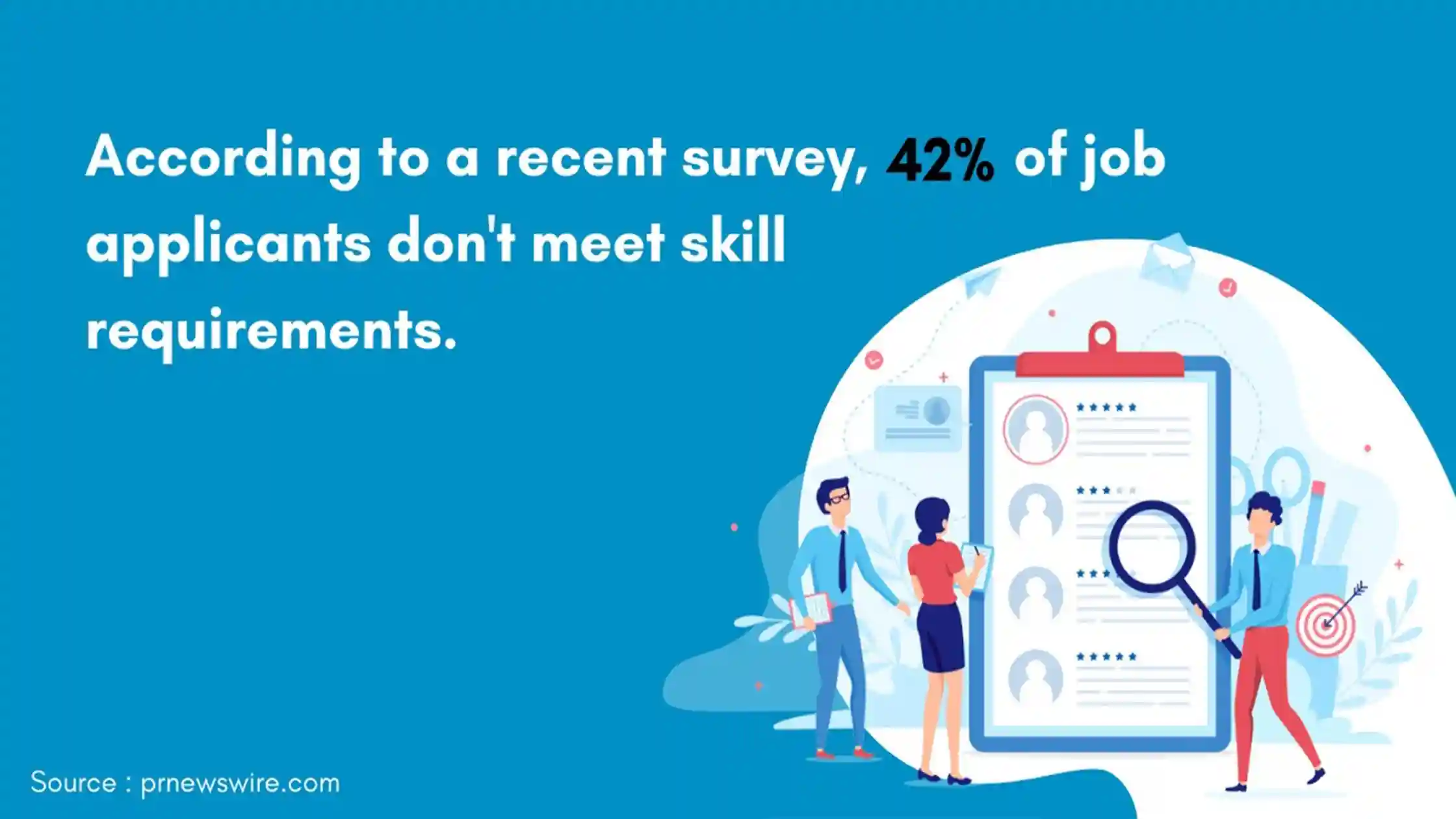
All companies need to develop contingency plans. Unexpected things happen, so you need to be ready to fill the position in a short time. For most companies, a lack of time often results in hiring unqualified staff, which eventually cannot perform the work well under stressful conditions. According to a recent survey, 42% of job applicants don't meet skill requirements.
Recruitment rarely happens under ideal circumstances. Employees resign unexpectedly, businesses expand quickly, and new projects create urgent hiring needs. Organisations that don't prepare for these situations often struggle to hire qualified candidates within tight deadlines.
Building a talent pool enables recruiters to respond proactively rather than reactively.
Instead of launching a new sourcing campaign for every vacancy, recruiters can immediately engage candidates who have already been assessed and shown interest in the organisation.
A strong talent pool helps recruiters:
- Fill vacancies faster
- Reduce recruitment costs
- Improve hiring quality
- Build stronger relationships with candidates
- Reduce dependence on external recruitment agencies
- Prepare for future workforce planning
Many organisations also face ongoing skills shortages, making proactive talent engagement even more important. Maintaining relationships with promising candidates allows recruiters to stay connected until the right opportunity becomes available.
Ultimately, building a talent pool is about creating a sustainable recruitment strategy. Rather than reacting to every hiring challenge, organisations become better prepared, more efficient, and more competitive in attracting top talent.
Besides, in 2019, a whopping 69% of companies in the US had issues filling vacated positions. Building and maintaining a talent pool could be your secure way out of such situations. It is always better to prepare instead of sitting back and hoping that such an instance will not touch your company.
Top Challenges Around Building an Organisation's Talent Pool
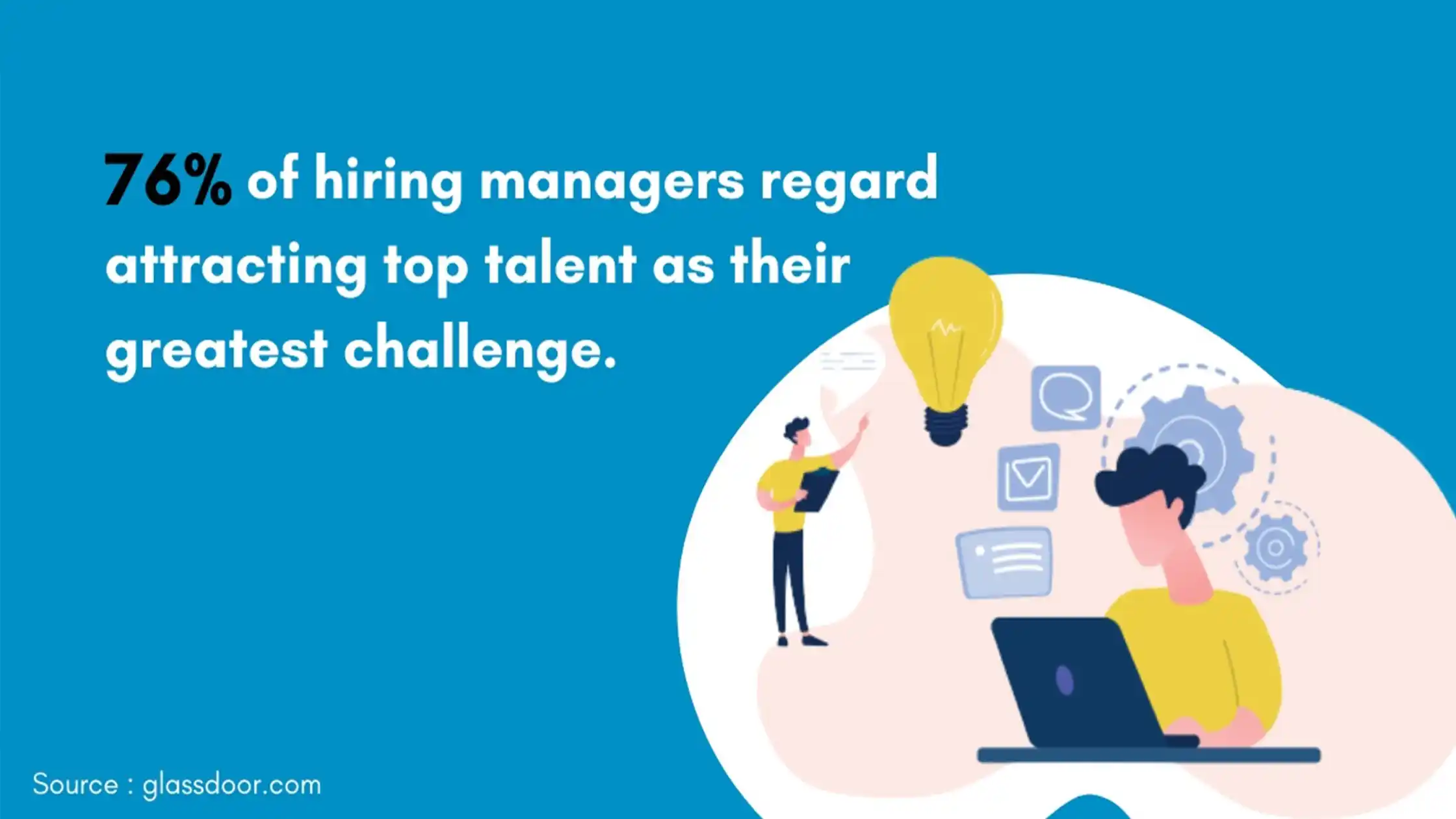
Glassdoor’s HR & Recruiting Stats concluded that 76% of hiring managers regard attracting top talent as their greatest challenge. Thus, the process of talent pool building can`t be easy as well.
Building a talent pool is a long-term investment, but it comes with its own set of challenges. Simply collecting resumes isn't enough recruiters must continuously identify, engage, organise, and nurture candidates to keep the talent pool valuable.
Below are some of the most common challenges recruiters face when building and maintaining an effective talent pool.
1. Defining worthy candidates
Quite often, identifying quality candidates in a pool of unqualified talent is a time-consuming and challenging task. The matter is, your options are limited. Finding a perfect candidate in our talent pool does not mean finding the best possible candidates for the position.
Recruiters should focus on candidates who demonstrate the right combination of skills, experience, growth potential, and cultural alignment. Instead of evaluating candidates solely on technical qualifications, it's equally important to assess communication skills, adaptability, learning ability, and long-term career aspirations.
Creating clear evaluation criteria and using structured interview scorecards can help recruiters identify high-potential candidates more consistently. Pre-screening questions, skill assessments, and knockout questions also help filter out unsuitable applicants before they enter the talent pool.
However, a good hire is not always about attracting as many talents as possible. What is more important is selecting and preparing knock-out interview questions to ensure the best possible choice.
2. Filling your talent pool
Good candidates often get into the talent pools of various companies at the same time. Other recruiters often contact them. Thus it may be challenging to reach out to them. Besides, you should constantly be filling your talent pool with new candidates, not limit yourself to options.
Thus, there are 7 most effective ways to ensure a stable flow of candidates into your pool -
1. Application of the sourcing tools
2. Adherence to employee referrals
3. Practising social media recruitment techniques
4. Usage of inbound recruitment
5. Execution of social media campaigns
6. Having a separate career landing page
7. Holding talent networking events.
All these methods appear to be effective, mainly if performed simultaneously. Besides, you can create a standard of entry and test candidates before adding them to your pool.
3. Talent pool management
To turn a list of potential candidates into a vibrant talent community, it is essential to ensure proper process management. Your talent pool is just a telephone directory without the right segmentation approach, communication, and expectations management.
Sometimes setting realistic expectations of what candidates can get from joining your talent pool is quite tricky. A talent pool is not a waiting list, so a candidate just needs to wait for a phone call. Besides, the database is good only if you know how to manage and use it to benefit your company.
4. Combating the talent recession
Many external factors contribute to talent recession in general. Unfortunately, some of them are out of your scope of competence - political issues, market regression, workforce ageing, pandemics, and many others.
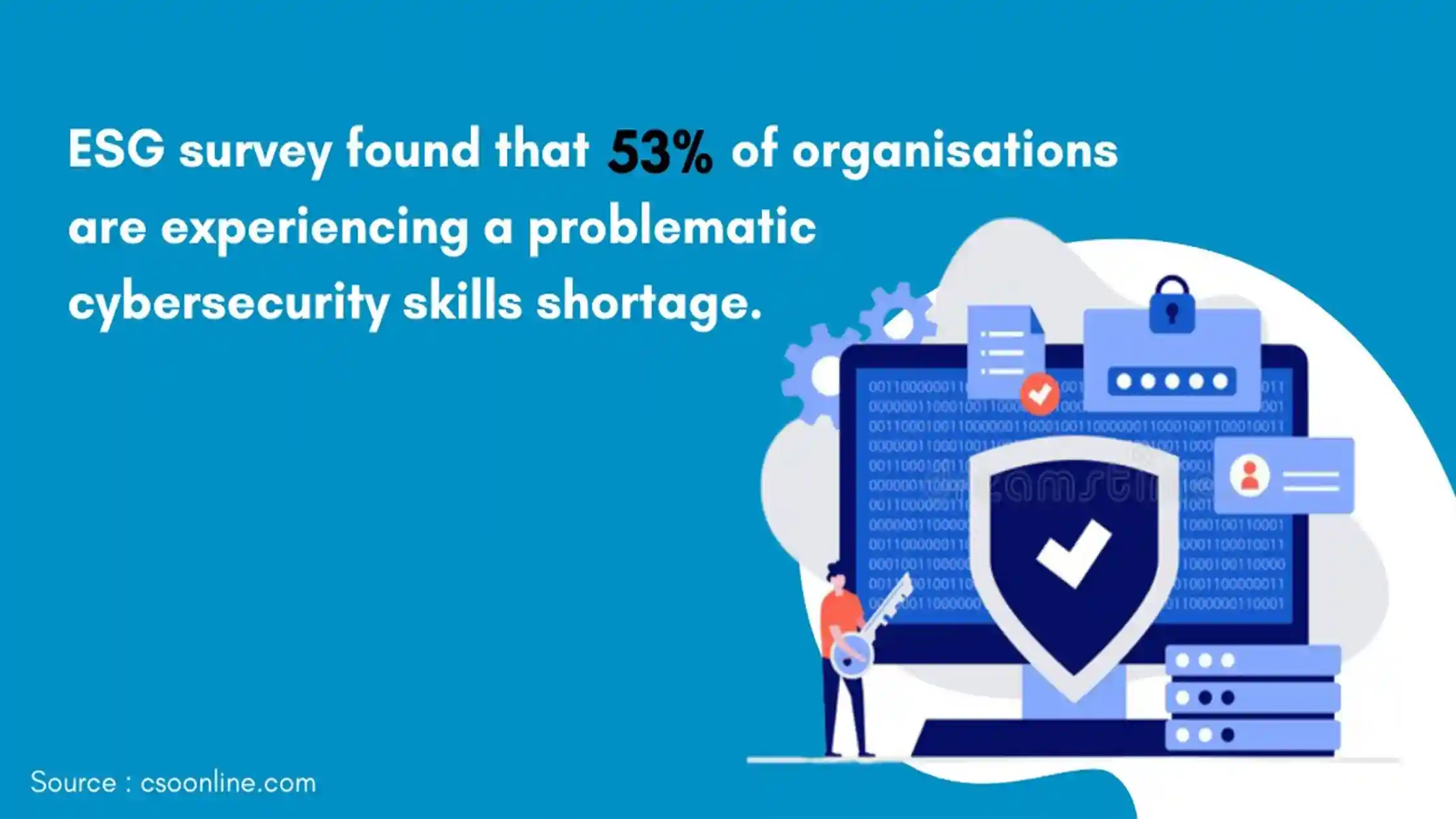
For some industries, the effect of the talent recession is particularly profound. Thus, for instance, an ESG survey found that 53% of organisations are experiencing a problematic cybersecurity skills shortage.
5. Regular cleanse
Like any database, a talent pool requires regular maintenance.
Candidate information changes frequently. Professionals gain new skills, switch employers, relocate, or become unavailable for new opportunities. If recruiters don't regularly update their database, the quality of the talent pool gradually declines.
Regular data cleansing should include:
- Removing duplicate candidate records
- Updating contact information
- Verifying employment status
- Refreshing candidate skills and experience
- Removing inactive or unresponsive candidates
- Deleting outdated records in accordance with data protection regulations
Many modern recruitment platforms automate reminders, candidate re-engagement emails, and data cleansing processes, making talent pool management far more efficient.
A clean, organised, and up-to-date talent pool enables recruiters to find suitable candidates quickly whenever hiring needs arise.
Tips to Add High-Quality Candidates in Your Talent Pool
As long as you are now well familiar with the notion of the talent pool, how it works, and what challenges you might face building it, it is time to introduce some actionable tips to maintain your talent database of superior quality. The database is as good as the collection of quality candidates on it.
Tip 1 - Focus on culture
Back long ago, in pre-pandemic times, company leaders and hiring managers worked hard to create supportive, inspiring team cultures. When the timeline for remote work stretches from weeks and months to years, it is a time for hybrid work culture, which is even harder to cultivate and maintain.
During sourcing and screening, consider evaluating:
- Company values
- Communication style
- Adaptability
- Collaboration skills
- Learning mindset
- Problem-solving ability
Behavioural interview questions, situational assessments, and value-based discussions can provide valuable insights into whether a candidate is likely to thrive within your organisation.
Thus, to make the task at least a little easier, doing talent pool outreach entices candidates to fit the overall company culture. Consider including situational awareness, value and worldview questions, and cognitive ability assessment tools in your talent pool application process.
Tip 2 - Structure your data
To locate the right candidate in your talent pool easily, make sure that their profiles are structured in a way that allows you to identify critical skills and qualifications. Thus, develop a tagging system that would work in the best way for your company.
Useful profile information may include:
- Skills
- Industry experience
- Job function
- Seniority level
- Preferred location
- Certifications
- Languages
- Salary expectations
- Availability
- Recruiter notes
Many organisations also use candidate scoring systems to rank candidates based on qualifications, interview performance, and future potential.
In addition, developing a scoring system to rank the candidates according to their abilities and qualification could also work great. In addition, saving your talent pool search criteria can be a huge time saver, especially if there’s a specific type of role that you regularly recruit for or if you have a mainly defined set of criteria.
Tip 3 - Set data deletion rules
Storing candidate data in your talent pool, you need an easy way of maintaining compliance with data protection regulations. This means being able to identify all the information held on a candidate easily, should they want their data deleted.
Candidates should have confidence that their personal information is handled appropriately. This means having clear processes for updating, retaining, and deleting candidate records when necessary.
To maintain compliance and improve data quality, consider the following best practices:
- Define a clear candidate data retention policy.
- Set automated data deletion or archive schedules.
- Allow candidates to request updates or removal of their information.
- Regularly review inactive candidate records.
- Keep only relevant and up-to-date information.
Many modern Applicant Tracking Systems (ATS) and Recruiting CRM platforms offer automated data retention features, helping recruiters stay compliant while reducing manual administration.
Maintaining a high-quality (and legally compliant) talent pool is vital. Therefore, set automated data deletion cycles to ensure that you aren’t holding candidate data any longer than is deemed necessary or set your candidate data to be deleted after an allocated time, whatever timescale is appropriate for your business.
A Final Thought on Building Perfect Talent Pool
Building a talent pool is one of the smartest long-term recruitment strategies any organisation can adopt. Instead of reacting to hiring needs as they arise, recruiters can proactively build relationships with qualified professionals and create a reliable pipeline of future talent.
A well-maintained talent pool helps organisations reduce time-to-hire, lower recruitment costs, improve hiring quality, and respond quickly to unexpected vacancies. More importantly, it allows recruiters to focus on engaging the right candidates rather than starting every hiring process from scratch.
However, creating a successful talent pool requires continuous effort. Recruiters must consistently source new candidates, organise and update candidate information, maintain regular engagement, and ensure compliance with data protection regulations. When managed effectively, a talent pool becomes far more than a database it becomes a strategic recruitment asset that supports long-term business growth.
Whether you're hiring for today's vacancies or planning for future workforce needs, investing time in building and maintaining a high-quality talent pool will help your organisation stay competitive in an increasingly challenging hiring market.
FAQs - Frequently Asked Questions
1. What exactly is a talent pool in recruitment?
A talent pool is a carefully curated database of promising candidates who have shown interest in your company. It helps recruiters hire faster by having ready profiles with skills, experience, and cultural fit data.
2. Why is building a talent pool important for recruiters?
Building a talent pool saves time and recruitment costs. It provides a selection of engaged candidates, helping avoid starting recruitment from scratch and reducing the risk of hiring unsuitable staff, which iSmartRecruit supports efficiently.
3. How can recruiters maintain a high-quality talent pool?
Maintaining quality involves regular updates, data cleansing, and compliance with data protection laws. Using automated tools and setting data deletion rules ensures your talent pool stays valuable and compliant over time.
4. What challenges do recruiters face when building a talent pool?
Recruiters often struggle with finding worthy candidates, filling the pool consistently, managing the data well, and dealing with external talent shortages. Overcoming these needs structured strategies and tools like iSmartRecruit.