

TL;DR
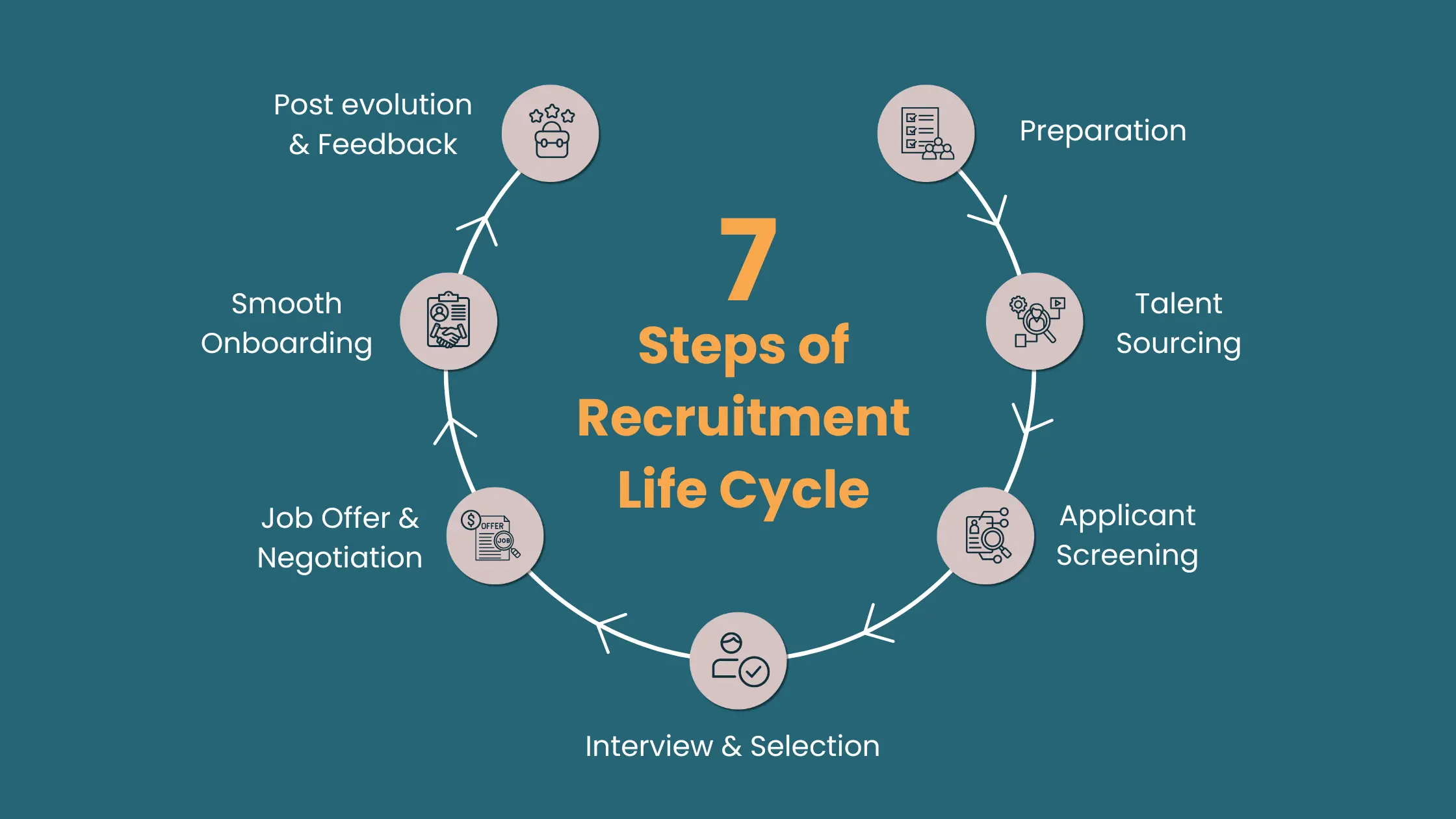
- The recruitment life cycle encompasses seven crucial steps: preparation, talent sourcing, applicant screening, interview and selection, job offer and negotiation, onboarding, and post-evaluation with feedback.
- Proper preparation and a compelling job description are key to attracting the right candidates effectively.
- Using multiple sourcing channels like social media, job boards, and employee referrals expands candidate reach.
- Screening and interviews should be structured to reduce bias and ensure a good fit culturally and technically.
- Effective job offers and negotiations pave the way for positive employment relationships.
- Onboarding is vital for employee engagement and retention, and post-hire evaluations improve future recruitment processes.
- Measuring recruitment success through key metrics helps refine and optimise hiring strategies continuously.
A bad hire costs companies up to 30% of the employee's first-year salary - and in most cases, it starts with a broken recruitment process. (Source: U.S. Department of Labor)
Whether you're a startup building your first team or an enterprise scaling across departments, understanding the recruitment life cycle is the foundation of every successful hiring decision. It's not just about filling vacancies. It's about finding the right person, at the right time, through a process that's efficient, fair, and repeatable.
In this guide, you'll learn exactly what the recruitment life cycle is, how its 7 stages work in practice, what to measure at each step, and how to improve your process — whether you're using traditional recruiting, AI-based recruitment software, or a hybrid approach.
What is Recruitment Process?
Recruitment is an important part of the HR department, and it influences a company on all levels. Understanding all the stages and objectives of the complete recruitment life cycle is crucial because it is one of the core functions of HR.
So, it starts with finding a new employee and ends with hiring. It is the best practice for organisations that seek long-term hires. Every organisation takes a different approach to the recruitment process, and it depends on its unique needs.
However, the human resource department or hiring professionals have to go through various recruitment life cycle stages to hire great employees.
Who Runs the Stages of the Recruitment Process?
If it is a small company, then a department head or manager is usually responsible for the end-to-end recruiting process.
Large organisations are often put in charge of people from the HR department. Thus, some world-renowned corporations have independent HR divisions or recruitment teams that take care of each stage of the recruitment process.
HR mainly runs all stages, but only the interview and selection stages need hiring managers and specialists.
Full Cycle Recruiting vs. Regular Recruiting
- Full Cycle Recruiting: One recruiter handles every step, from identifying the need to onboarding. This approach offers a consistent, personalised experience for both the company and candidates.
- Regular Recruiting: The process is divided among different team members. While it can be efficient for high-volume hiring, it may lead to communication gaps and a fragmented candidate experience.
Which is Better?
Full cycle recruiting provides a more streamlined, tailored experience since one recruiter has full control and insight into every stage. However, regular recruiting can be efficient for companies needing to fill multiple positions quickly. It really depends on your company's size, goals, and the roles you're hiring for.
Full Recruitment Life Cycle in 7 Easy Steps
Each stage plays a distinct role. Skipping or rushing any one of them creates downstream problems - poor candidate quality, slow decision-making, or high early attrition. Here's how to execute each stage effectively.
1. Workforce Planning
As you know, preparation is the most critical phase in the recruitment life cycle, as it sets the foundation for the entire process. So, you have to do this step very thoroughly.
Start by identifying the need for a new hire and gathering requirements from your client or hiring manager. Conduct a gap analysis to compare the current team's skills with those needed to meet business goals. Key questions like "What responsibilities will this role cover?" and "What skills and experience are necessary?" help set a clear direction.
Define the type of candidate best suited for the role, considering their experience, qualifications, flexibility, and openness to remote work. This preparation will guide the entire recruitment life cycle.
Once the requirements are identified, the next step is to craft a compelling job description. Create an engaging job description that accurately reflects the role and your company culture - if you used AI to draft it, running it through an ai humanizer before publishing helps ensure it sounds like your brand and not a generic template. Use language that mirrors the work environment and highlight benefits like remote work flexibility or growth opportunities.
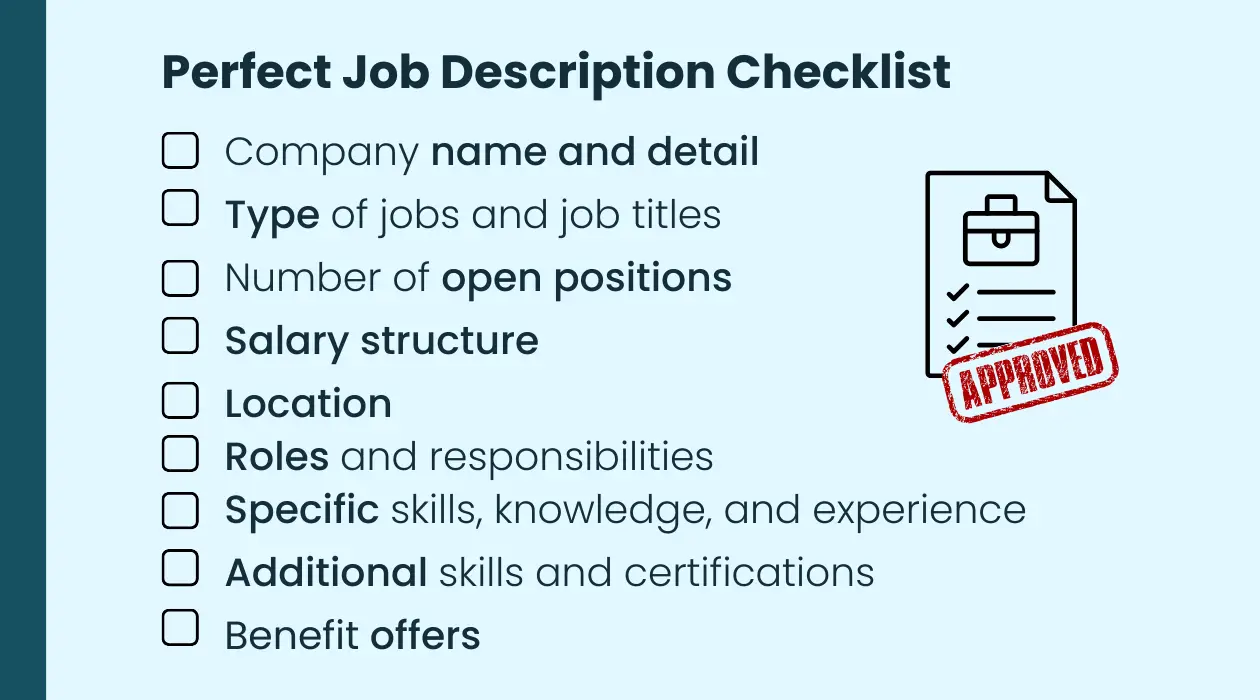
A clear and detailed job description helps candidates see if they're a fit, setting the stage for a smooth recruitment process that aligns with your business objectives. Proper preparation ensures you're targeting the right talent effectively.
Tooltip: Use tools like Trello and Miro to organise hiring tasks and conduct gap analyses, ensuring your recruitment process starts with a solid foundation.
2. Talent Sourcing
So, once you created a compelling and all-encompassing job description, it's time to start sharing and advertising the position—another recruitment step of the full recruitment life cycle process.
There are various ways and places to attract suitable candidates.
1. Searching the Web
You don't have to wait for the candidates to come to you. The internet is full of talented people who could fit into your organisation. Seek them and try to identify those that reflect similar values and sets of skills.
Most people would be happy to receive an unexpected job offer. Hence, if you find someone promising, reach out and ask them to apply.
2. Social Media Recruiting
For social media recruiting, these are the best platforms to target millennials and Gen Z. Share the job Ads and additional material on LinkedIn, Facebook, and Instagram. Customise your posts to the platform – use LinkedIn for detailed job descriptions and Facebook for more casual, engaging content.
3. Job Boards
One of the safest and most traditional routes is to share vacancies on job boards and career websites. With job boards, tailor your postings using keywords that match job seekers' search terms, and regularly refresh your listings to stay visible.
4. Referrals
Another trusted method is to encourage employee referrals because they are the ones who know best what your company needs and which profiles to target.
5. In-house Recruiting
Re-evaluate all your current job positions and employees. The right talent might already be in front of you but working in a different job position or department. Consider whether training and transfer could be your answer.
Don't wait for talent to find you; actively seek out professionals whose skills align with your needs.
Tooltip: Maximize your sourcing efforts using LinkedIn Recruiter for professional networking and iSmartRecruit to streamline social media recruiting and job board integration.
3. Applicant Screening
One of the most time-consuming and demanding stages, screening, involves reviewing and evaluating all job applications. While challenging, this step is also critical to identifying the best talent.
You need to carefully analyse each resume and cover letter, paying attention to detail. However, you can also consider using resume management software to speed up recruitment. It allows you to filter candidates based on specific criteria like years of experience or educational background.
You can also use a brief phone interview as a tool to screen potential candidates further. This can help you gain a better understanding of the individuals beyond their resumes, allowing you to assess their suitability for the job more accurately. Use this opportunity to explore their motivation for applying and how their skills align with the job requirements. By combining both careful resume analysis and phone screening, you can more efficiently pinpoint top candidates.
Tooltip: Speed up the screening process with iSmartRecruit for automated resume parsing and Calendly to efficiently schedule phone interviews.
4. Interview And Selection
Once the target crowd has been identified through screening, it is time for Interview and selection. For an interview, you must create relevant questions to assess the candidate's technical skills and cultural fit.
Conducting Effective Interviews:
- Structured Interviews: Develop a set of standardised questions to ask every candidate. This approach allows you to reduce unconscious bias.
- Behavioural Questions: Include questions that focus on how candidates had handled specific situations in the past (e.g., "Tell me about a time when you had to resolve a difficult problem at work"). These questions helps to measure their problem-solving skills and cultural fit.
- Technical and Cultural Fit: Include a skills assessment or problem-solving task for technical roles. To assess cultural fit, ask questions related to your company values and team dynamics (e.g., "What kind of work environment do you thrive in?").
Now, it is candidate selection time. By now, you should be sure of what you are looking for to fill the position and what kind of candidate will feel the most comfortable in your company.
Ensure that you are ready for this stage of the full recruitment life cycle.
So, when you select a candidate, always look for candidates who demonstrate enthusiasm, adaptability, and a willingness to learn.
Tooltip: Conduct effective assessments with tools like HackerRank for technical roles and InterviewStream for structured interviews with pre-defined questions and scoring criteria.
5. Job Offer And Negotiation
Now, you have found your ideal candidate. Now, it's time to make an offer.
The final decision is made after reviewing their performance throughout the recruitment stages. It is recommended that you discuss the decision with other team members and departments.
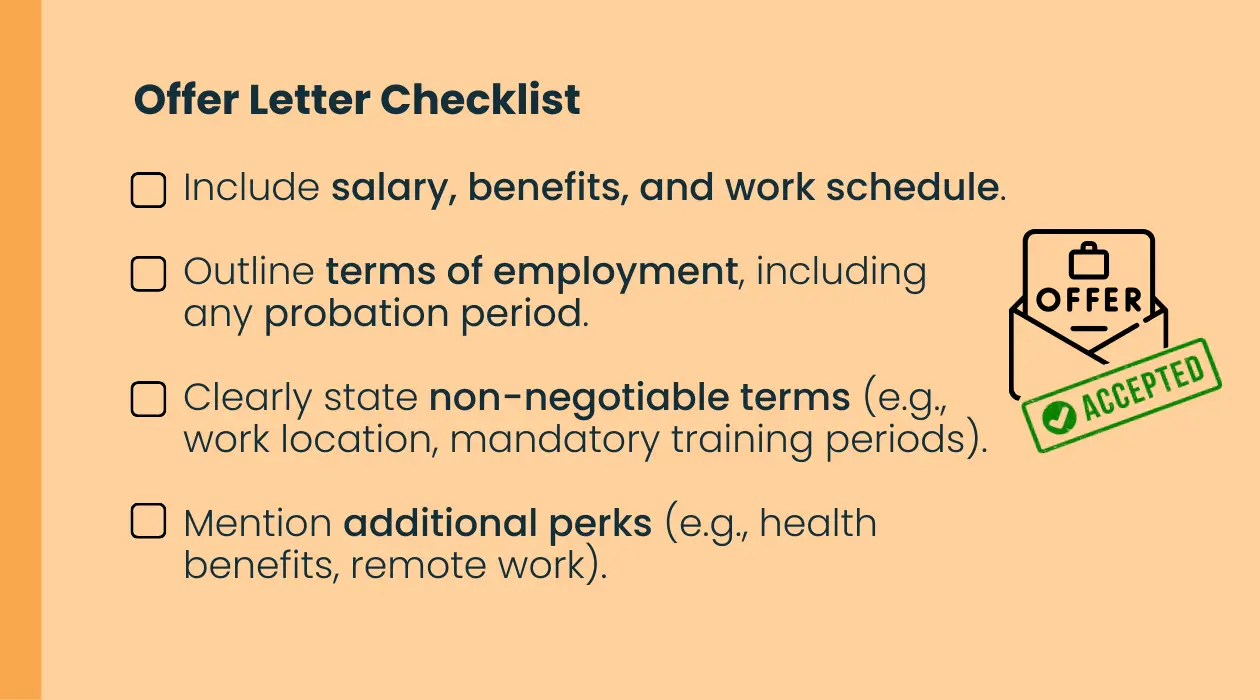
Once you decide, it's time to invite the candidate and make an official job offer. Include all the terms of hiring, including the salary, compensation package, benefits, work schedule, working hours, and potential deal-breakers.
Negotiation Tips:
- Listen: Let the candidate share their expectations to find common ground.
- Be Clear: Communicate non-negotiable terms upfront.
- Offer Alternatives: Suggest benefits like flexible hours if salary requests exceed your limit.
- Set Limits: Decide your maximum offer in advance.
- Stay Positive: Highlight growth opportunities and company culture.
A well-structured offer process sets a positive tone for the candidate's future with the company and ensures clarity for both parties.
Tooltip: Simplify offer creation and signing using DocuSign and benchmark salaries with PayScale to ensure competitive and transparent negotiations.
6. Smooth Onboarding
Onboarding is more than just paperwork. So, make sure you have a good onboarding strategy because this is a crucial stage that might affect whether the employee wants to continue working in the company.
Create an engaging and detailed onboarding with a welcome pack that includes company information, tools they'll need, and a detailed onboarding schedule. Also, a team introduction is required in order to help the new employee acclimate to the work environment. For that, you will need an effective change management process to integrate a more structured onboarding process.
The outcome of your full recruitment life cycle process should be an employee who feels ready to start working because they have all the necessary information about their job position and the company.
A successful onboarding experience ensures that the new hire feels supported, engaged, and ready to contribute effectively to the team.
Tooltip: Automate onboarding with BambooHR and use Trainual to create structured training programs, helping new hires integrate seamlessly.
7. Post-Evaluation and Feedback
The recruitment life cycle doesn't end once you've hired and onboarded a new employee. The final step involves reviewing the entire recruitment process to identify what worked well and where there's room for improvement. This ongoing evaluation helps fine-tune future hiring strategies, making your recruitment life cycle more efficient over time.
How to Conduct a Post-Hire Review:
- Gather Feedback: Ask new hires about their experience with the recruitment and onboarding process to identify areas for improvement.
- Assess the Hire: Evaluate the new employee's performance during their first 30, 60, and 90 days to ensure they fit the role and team. Also, 30-60 90-day plans should be created for managers.
- Review Key Metrics: Analyze metrics like Time-to-Fill and Quality of Hire to measure the process's effectiveness and pinpoint areas to refine.
- Implement Changes: Use feedback and data insights to adjust job descriptions, interview questions, and sourcing strategies for future recruitment cycles.
Regularly update your recruitment strategy to adapt to market changes, candidate expectations, and company needs. Incorporate new tools like iSmartRecruit to keep your process competitive and efficient.
A post-hire review ensures your recruitment life cycle evolves, leading to better hires and long-term success.
Tooltip: Gather feedback with SurveyMonkey and track new hire progress using 15Five to continuously improve your recruitment process and Teamflect or Lattice for a more integrated performance management solution that includes goal setting, check-ins, and feedback.
So, this is the 7-step recruitment cycle to make your hiring better.
How Technology Is Transforming the Recruitment Life Cycle
Modern recruitment teams use a range of tools to make each stage faster, more consistent, and more data-driven. Here's where technology has the greatest impact:
- Applicant Tracking Systems (ATS): The operational backbone of most in-house recruiting teams. An ATS centralises job postings, applications, candidate communications, and hiring workflows. Leading platforms like iSmartRecruit
- AI-based screening tools: Machine learning models that rank, score, and surface the most relevant candidates from large applicant pools. Effective when trained on diverse, unbiased data — requires human oversight to prevent algorithmic bias.
- Recruitment marketing platforms: Tools like Beamery, Phenom, or SmashFly treat talent acquisition like a marketing function — with CRM capabilities, employer brand campaigns, and candidate nurturing workflows.
- Video interviewing platforms: Async video tools (ScreeningHive, Spark Hire, Willo) allow candidates to record answers to structured questions on their own schedule, which increases candidate reach and reduces scheduling friction.
- Onboarding software: Platforms like iSmartRecruit, Rippling streamline pre-boarding paperwork, IT provisioning, and 30-60-90 day planning.
The key is integration. Technology works best when your ATS, communication tools, and HR systems are connected — giving you clean data, a seamless candidate experience, and real-time pipeline visibility.
Importance of Recruitment Life Cycle
Understanding the recruitment life cycle is crucial for organisations to attract top talent and streamline their hiring processes.
- Structured Hiring Process: Provides a clear roadmap, ensuring each stage of hiring is systematically followed, minimising errors and inconsistencies.
- Improved Candidate Quality: Helps identify the right fit by thoroughly assessing candidates' skills, qualifications, and cultural alignment with the company.
- Enhanced Candidate Experience: Streamlined steps keep candidates informed and engaged, building a positive employer brand.
- Efficient Use of Resources: Optimizes time and costs by focusing on targeted sourcing, screening, and selection, reducing the risk of bad hires.
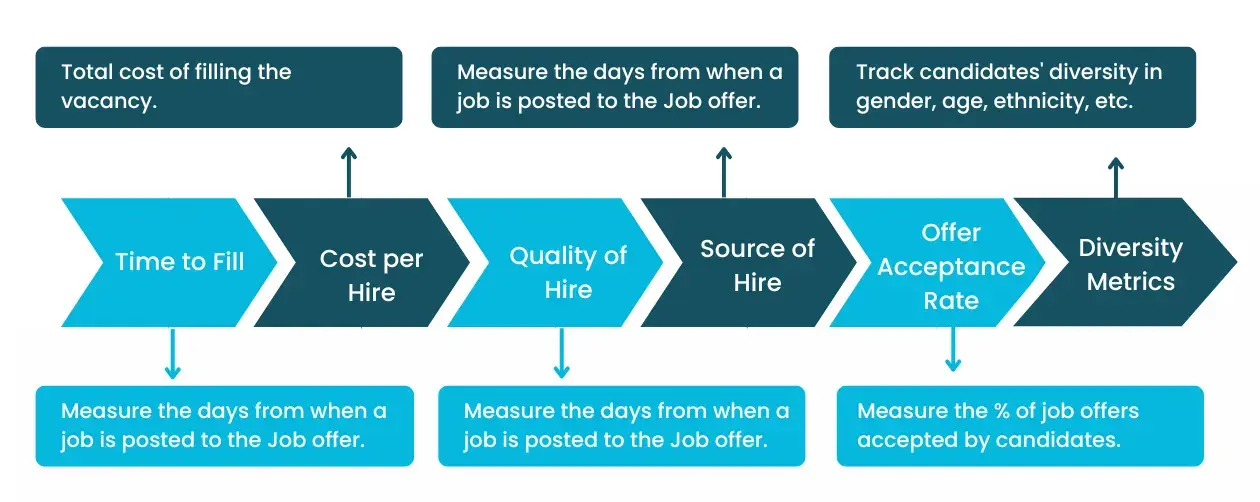
- Data-Driven Decisions: Allows for the measurement of key metrics (e.g., Time-to-Fill, Quality of Hire), providing insights to improve future recruitment strategies.
- Boosts Retention: A well-planned recruitment life cycle, especially a solid onboarding process, ensures new hires integrate seamlessly, reducing turnover rates.
By effectively managing each stage of the recruitment life cycle, organisations can optimise their time and resources, improve candidate experience, and ultimately hire the best people for their teams.
Challenges of the Recruitment Life Cycle
The recruitment life cycle is crucial for any organisation, but it has its challenges. Let's explore some of the key challenges:
- Lengthy Process: Managing each stage of the recruitment life cycle can be time-consuming, leading to delays in filling positions.
- High Costs: Recruitment involves multiple expenses, from job advertising to screening tools, which can strain a company's budget, especially for small businesses.
- Talent Shortage: Finding candidates with the right skills and cultural fit is challenging, particularly in a competitive market.
- Unconscious Bias: Human elements in the recruitment life cycle can introduce bias, impacting the fairness and diversity of hiring.
- Candidate Drop-Offs: A lengthy or unclear process can result in candidates losing interest and dropping out, affecting the quality of your talent pool.
By understanding these recruitment challenges, you can better navigate the recruitment life cycle and make informed decisions to improve your hiring processes.
Measuring Recruitment Success: Metrics and Analytics
Now, you are done with your recruitment life cycle. It's time to measure their success. How can you measure it, and what recruitment metrics and analytics should you consider to check your recruitment success?
Here, you'll get the answer, which will help you identify areas for improvement, optimise your recruitment strategies, and make data-driven decisions. Here are some key metrics and analytics to measure the success of a recruitment process:
Conclusion
In this blog, we have learned that the recruitment life cycle is a dynamic process, and that's why it requires careful attention to detail, strategic planning, and continuous evaluation.
By following the seven steps outlined in this blog, from strategising and candidate experience enhancement to data analysis and celebrating success, organisations can effectively streamline recruitment efforts and attract top talent.
As we embark on future recruitment life cycles, let's remember the importance of tech adaptability and innovation. Embracing emerging technologies like iSmartRecruit can revolutionise our approach to talent acquisition, enhancing efficiency and candidate experience alike.
Don't miss out on the opportunity to elevate your recruitment game with iSmartRecruit. Get a demo now and take the first step towards building a stronger, more competitive workforce.

Frequently Asked Questions (FAQs)
1. What is the recruitment life cycle?
The recruitment life cycle is the complete, end-to-end process an organisation uses to identify, attract, assess, hire, and integrate new employees. It typically covers 7 stages: workforce planning, job analysis, candidate sourcing, screening, interviewing, selection, and onboarding. Managing each stage effectively leads to faster hiring, better candidate quality, and higher retention rates.
2. How many stages are in the full recruitment life cycle?
Most frameworks identify 7 core stages in the full recruitment life cycle: workforce planning, job analysis, candidate sourcing, screening and shortlisting, interviewing, selection and job offer, and onboarding. Some models combine or expand these depending on the complexity of the organisation or role.
3. What is full life cycle recruiting?
Full life cycle recruiting — also called end-to-end recruitment — means a single recruiter or HR team manages every stage of the hiring process, from the initial job requisition through to the candidate's first successful weeks on the job. It's common in in-house recruiting functions and smaller teams where specialisation isn't yet practical.
4. How long does the recruitment life cycle typically take?
The average time-to-fill a position is 36–42 days according to LinkedIn Talent Insights, though this varies significantly by industry, seniority level, and role complexity. Technical and executive roles can take 60–90+ days. A well-structured recruitment life cycle — with clear workflows, fast decision-making, and proactive sourcing — can reduce time-to-hire by up to 40%.
5. What is the difference between recruitment and selection?
Recruitment focuses on attracting and building a pool of qualified candidates. Selection is the evaluation and decision-making phase — interviews, assessments, reference checks, and the final offer. Both are stages within the broader recruitment life cycle, and both require equal investment to achieve great hiring outcomes.
6. How can companies improve their recruitment life cycle?
The most impactful improvements include: investing in workforce planning to reduce reactive hiring; writing clear, inclusive job descriptions; building a multi-channel sourcing strategy; introducing structured interviews with scoring rubrics; reducing time between final interview and offer; and treating onboarding as a strategic retention tool rather than an administrative formality.
About the Author