


Recruitment has evolved dramatically over the past few years. What was once a process focused primarily on filling vacancies has become a strategic function centred on attracting, engaging, and retaining the right talent. Advances in artificial intelligence (AI), recruitment automation, skills-based hiring, and changing employee expectations are reshaping how organisations hire.
In 2026, candidates expect more than competitive salaries. They look for flexible work arrangements, career development opportunities, transparent communication, and a positive hiring experience. At the same time, recruiters are adopting data-driven recruitment software, AI-powered tools, and recruitment marketing strategies to hire faster while improving hiring quality.
To remain competitive, organisations need to understand the latest recruitment trends and adapt their hiring strategies accordingly. The following recruitment trends are shaping the future of talent acquisition in 2026.
TL;DR
- Recruitment in 2026 is more candidate-centric, focusing on personalised experiences, flexibility, and career growth.
- Recruitment software and AI-powered hiring tools help automate recruitment and improve hiring decisions.
- Recruitment marketing strengthens employer branding and attracts higher-quality candidates.
- Hybrid work and flexible work arrangements continue to influence candidate preferences.
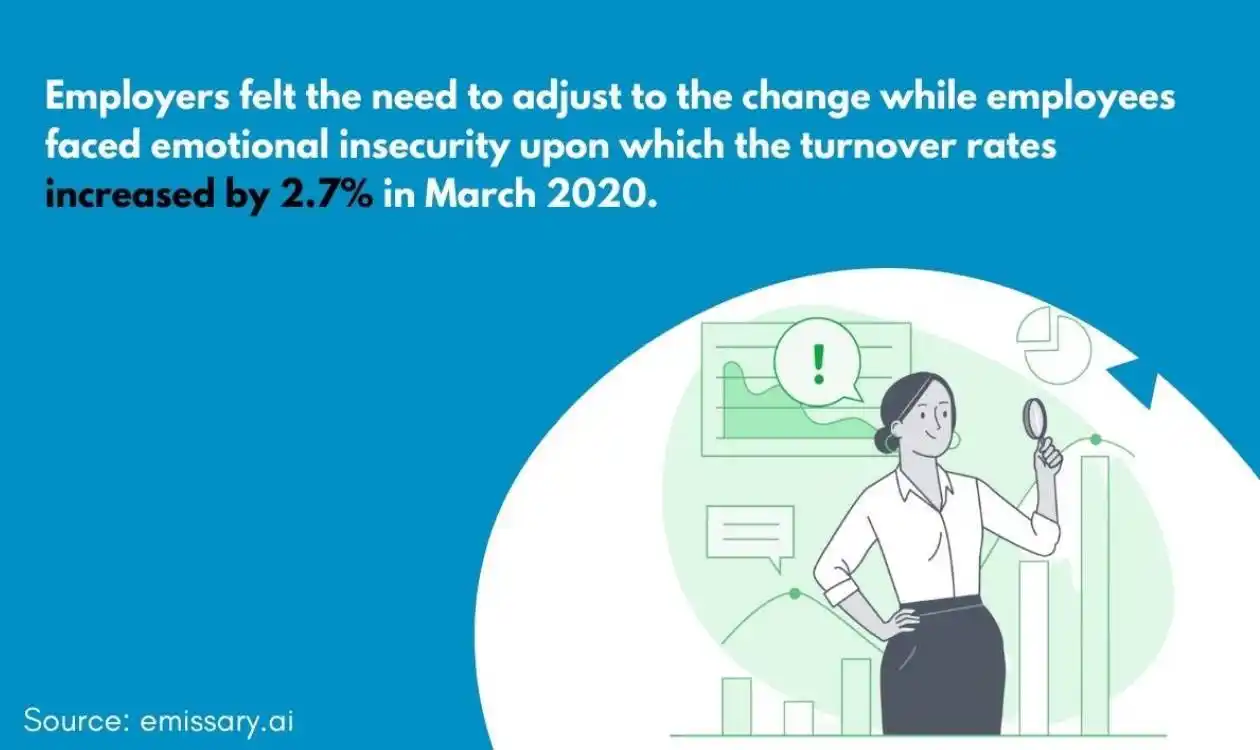
When covid-19 took the world by surprise many businesses suffered. Employers felt the need to adjust to the change while employees faced emotional insecurity upon which the turnover rates increased by 2.7% in March 2020. This left companies under havoc where their businesses were falling apart and employees were leaving who could cater to the situation. The conditions called for improved recruitment trends that changed the face of recruitment.
With lockdowns everywhere, new modes of work were required, but the job market was under pressure as the technical experts were grabbed on a first-come, first-serve basis.
2020 was a nightmare, but gradually, things normalized, and people learned to live under severe conditions. 2021 was relaxed, with vaccinations rolling in until new COVID-19 variants emerged in later months. Now it is 2026, and with the omicron variant, HR may continue with the recruitment trends of 2021 along with considering newer trends.
The recruitment trends of 2026
Recruitment trends keep changing with respect to time and need. As COVID-19 emerged, most routine stages of recruitment shifted to improved technology that helped in virtual recruitment and improved retention rates, to name a few. The trends have changed and are here to stay. But what are these trends?
Today's recruitment strategies focus on delivering exceptional candidate experiences, reducing hiring time, improving hiring quality, and building long-term talent pipelines. Organisations that embrace these recruitment trends are better positioned to compete for top talent in an increasingly competitive hiring market.
Let's explore the recruitment trends that are shaping hiring in 2026.
The recruitment trend of being more candidate-centric
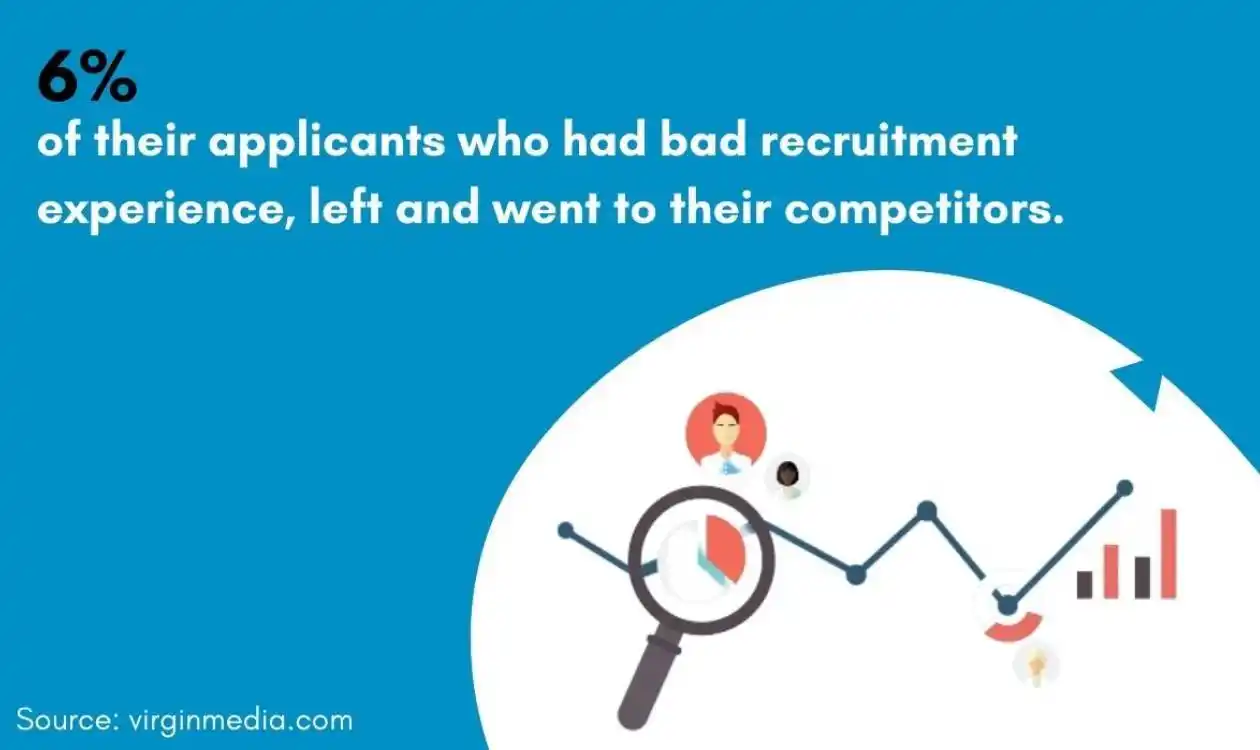
Gone are the times when businesses focused only on their revenue. Employees were taken as a means to meet the set target. Today, HR focuses more on their candidates to satisfy them so they can give their best. This recruitment trend is going to see a record high in 2026 because now, the candidates have many options to choose from. It is the employers that look out for the best-fit candidates, but candidates only choose the one company that gives them the maximum benefits. Candidates now focus more on the value they get in terms of non-monetary benefits such as work-life balance and work-time flexibility. The pandemic made them prioritize their family life over work life which organizations need to consider when recruiting. The recruitment process is likely to be more candidate-centric, where candidates are treated with a positive experience. Virgin media reported 6% of their applicants who had bad recruitment experiences left and went to their competitors. The candidates are better aware of their rights now, and the trend shall continue, so the candidate-centric recruitment trend is here to stay.
Today's job seekers carefully evaluate employers before applying. They expect clear communication, timely feedback, flexible interview scheduling, and transparency about salary, benefits, and career opportunities. A poor recruitment experience can quickly discourage qualified candidates from continuing the hiring process or accepting an offer.
Candidate-centric recruitment also means simplifying the application process, reducing unnecessary interview stages, and maintaining regular communication throughout the hiring journey. Organisations that prioritise candidate experience are more likely to attract stronger applicants, improve employer branding, and increase offer acceptance rates.
Recruitment software
Data-driven recruitment has the least chance of error and provides proper direction in the hiring process. Recruitment software automates and streamlines your hiring processes. It is famous for providing accurate recruitment data that helps you identify your target candidates and their interests so you can mould yourself in a way desirable to them. There is much software that organizations install for recruitment purposes, such as the Applicant Tracking System, Recruitment CRM, and Recruitment Management Platform. All software integrated form a system for high-quality recruitment and staffing needs. Recruitment software is trending to have a better look at where the candidate market is heading and what creates a better talent pool.
Recruitment trend of Recruitment marketing
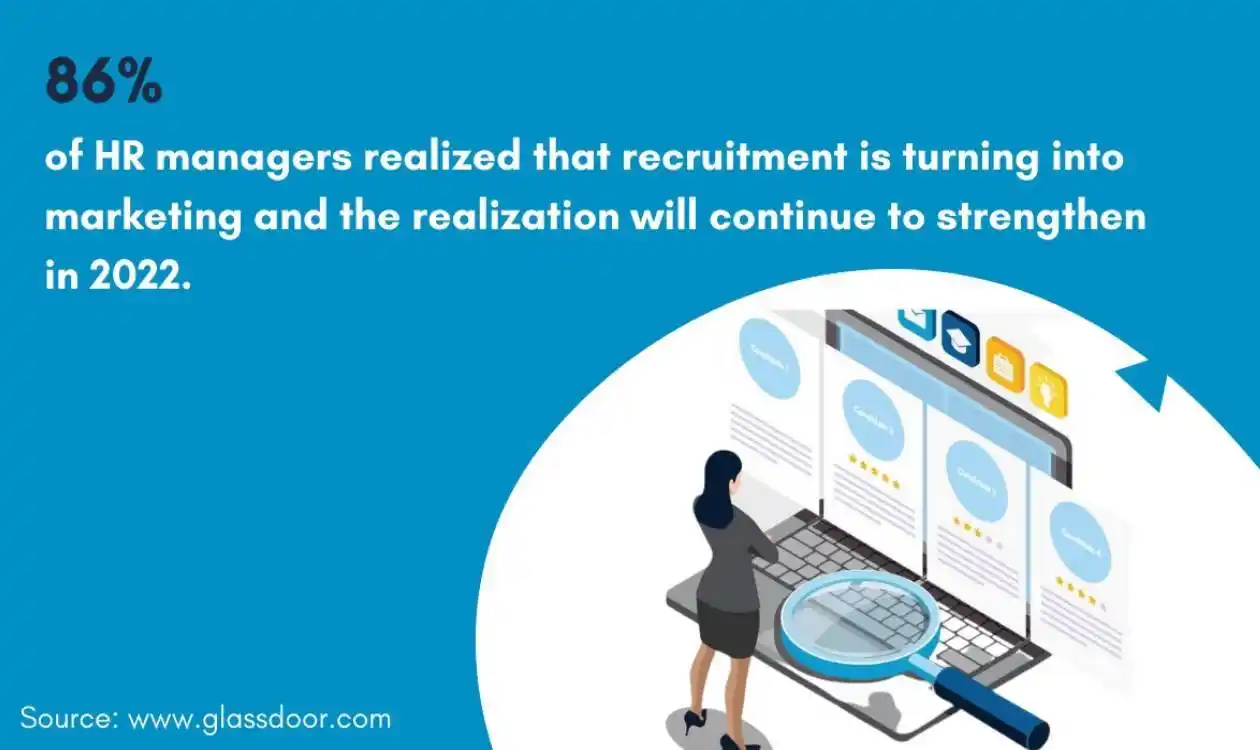
This has more to do with employer branding, programmed advertisements and value creation. Candidates are wise enough to decide which organization provides them with maximum value. Inbound recruitment or recruitment marketing has the sole purpose of attracting maximum talent by creating a positive brand image and candidate experience, so they desire to work with you. This recruitment trend will continue in 2026 because the world has adapted to virtual work modes and has global opportunities. So, to attract and retain your candidates, you need to market your brand with the positive truth about you. A 2024 article by Recruitics highlights predictions impacting recruitment marketing, emphasizing the growing importance of employer branding and personalized candidate experiences. And will continue to strengthen in 2026.
Recruitment trend of Hybrid working
Hybrid working, both onsite and offsite work, is expected to be adopted even faster in 2026. The COVID-19 pandemic changed our perspective of office work and made us realize that one can work in isolation too. Less workplace conflict, better focus on the targets and being with the family provide great value to your employees. Candidates now seek hybrid working opportunities in their jobs, and if they get a chance to choose between in-house or home-based jobs, they will choose the latter. Let us face it, why would candidates want to join you if they can work as freelancers with equal or even higher pay rates? Yes, freelancing cannot be opted for by many because of job insecurity and isolation factors, but if you do not give them flexibility, they will compromise on those factors for relaxed work life. Recruitment in 2026 is expected to allow candidates to work from anywhere they want to because satisfied candidates have improved performance when hired. Moreover, the flexibility in the work location of the hybrid model is adopted by 63% of high-growth companies, so you know of its effectiveness.
Reduced work days instead of high compensation
Alongside flexible working arrangements, many organisations are exploring reduced work schedules to improve employee wellbeing and productivity. Rather than relying solely on higher salaries to retain employees, companies are introducing initiatives such as four-day work weeks, compressed work schedules, or additional wellness days.
While not every organisation can adopt a four-day work week, many employers now offer flexible leave policies, company-wide wellness days, or additional paid time off as part of their employee value proposition. These benefits have become increasingly attractive, particularly for younger generations who place a high value on work-life balance.
In 2026, organisations are recognising that employee wellbeing directly influences performance, retention, and employer reputation. Offering greater flexibility through reduced work schedules or enhanced leave benefits can provide a significant competitive advantage when attracting and retaining skilled professionals.
Recruitment trend of Programmatic job advertisements
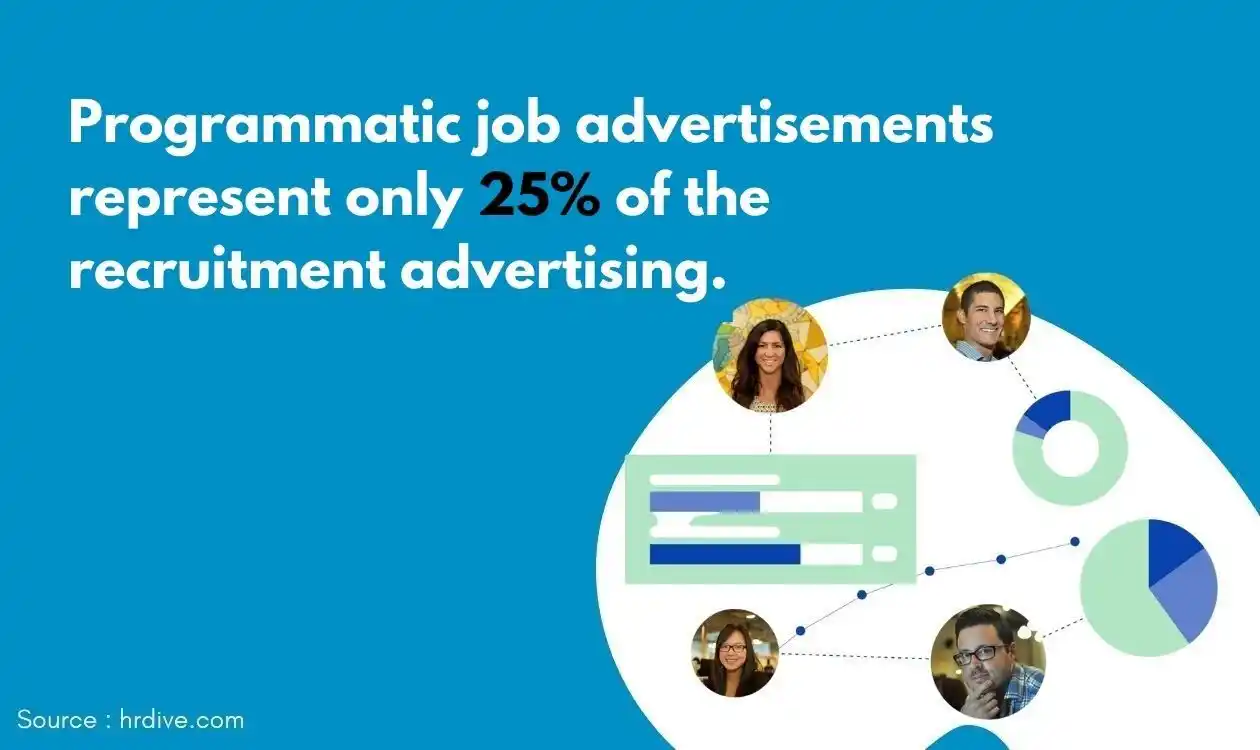
When recruiting, you need to announce it, so you get your desired candidates. You need to advertise everywhere. Digital recruitment trends focus on programmatic job advertisements. You run these job ads through software rather than paying hefty amounts to ad agencies. The software ensures your message reaches a larger candidate pool. It is based on data, and you purchase the software that helps you optimize your ads all over the web. With programmatic ads, there is higher accuracy. However, programmatic job advertisements represent only 25% of recruitment advertising. This is one of the recent recruitment trends which is expected to reach new heights in 2026 as more organizations are focused on digitization and digital innovations.
Enhanced technology
Technology has changed recruitment jobs like never before. Wherever possible, the online world is integrated into the system of businesses. Recruiters used to conduct physical interviews, but now, as technology is growing at a faster pace, nobody has time for physical appearance. Even recruiters do not have time to check out candidate interviews at any specific time. So, technology allows recruiters to conduct online interviews, which are stored in the database of recruitment software. This allows the recruiters to access all interviews at once without waiting for candidates at different times. Moreover, candidates can now record verbal resumes so recruiters can have a quick look. The technology is expected to change recruitment completely in 2026. With newer inventions every day, recruitment is expected to experience a huge technological change to ease out everyday tasks and hire the best job seekers. With the advancement, the traditional recruitment job can be taken up by machines, and you never know, there could be a career change from recruitment to something bigger for the recruiters.
Skill-based recruitment
Skill-based recruitment is trending compared to experience and education-based recruitment; the latter is taken aback by the modern recruitment needs. Before, there were many candidates who lacked opportunities because of no degree or experience, even if they were highly skilled. Since May 2021, Microsoft and LinkedIn together have introduced digital skill learning programs, and around 30 million candidates have benefitted worldwide. Freelancing platforms like Fiverr and Upwork help earn a lot of candidates on the basis of their skills. This trend is going to spread in 2026 and in the future. Still, many organizations do not realize the importance of skills hence the trend may take time to be followed. Recruiters will, in the future, look for skills in candidates rather than their lengthy CVs.

Switch to these Recruitment Changes Now!
Recruitment continues to evolve as technology advances and candidate expectations shift. In 2026, successful organisations are embracing candidate-centric hiring, AI-powered recruitment software, recruitment marketing, flexible work models, programmatic advertising, advanced recruitment technology, and skill-based hiring to stay competitive.
There is no single recruitment strategy that works for every organisation. Recruiters must continuously analyse hiring data, adapt their processes, and experiment with new approaches to attract and retain the best talent. Organisations that prioritise candidate experience, invest in recruitment technology, and build strong employer brands will be better positioned to overcome talent shortages and improve hiring outcomes.
The future of recruitment is more data-driven, personalised, and technology-enabled than ever before. By adopting these recruitment trends today, organisations can build stronger talent pipelines, reduce hiring costs, improve employee retention, and create a recruitment process that meets the expectations of today's workforce and prepares them for the challenges of tomorrow.

FAQs - Frequently Asked Questions
1. What are the key recruitment trends expected in 2026?
Key recruitment trends in 2026 include a more candidate-centric approach, increased use of recruitment software, recruitment marketing, hybrid working models, and programmatic job advertisements, which aim to enhance candidate experience and hiring efficiency.
2. How does recruitment software improve the hiring process?
Recruitment software automates hiring processes, provides accurate data to identify target candidates, and integrates various tools like Applicant Tracking Systems and CRMs. This leads to more data-driven, efficient, and error-free recruitment decisions.
3. Why is hybrid working becoming popular among candidates?
Hybrid working offers flexibility, allowing candidates to work onsite or remotely. This arrangement reduces workplace conflicts, improves focus, and supports work-life balance, making it appealing to job seekers in 2026 and beyond.
4. What role does recruitment marketing play in attracting talent?
Recruitment marketing focuses on building a positive employer brand, targeted advertising, and enhancing candidate experience. It helps businesses attract and retain talent by showcasing the value and culture they offer.
5. Why is skill-based recruitment gaining importance over traditional methods?
Skill-based recruitment recognises candidates' abilities over formal education or experience. It opens opportunities for skilled individuals who may lack degrees, aligning better with modern job requirements and improving workforce quality.