


Finding and hiring top talent has always demanded time, budget, and strategic focus. In 2026, those pressures have intensified. Local labour markets are tightening, skills gaps are widening, and 74% of employers now report difficulty filling specialised roles, with shortages in engineering, IT, accounting, and healthcare expected to persist through 2032.
TL;DR
- Offshore recruitment allows organisations to access a broader, global talent pool to find specialised skills and cost-effective hires.
- Key strategies for offshore hiring include defining clear recruitment goals, posting on job boards, leveraging social media, and working with recruitment agencies.
- Challenges such as time zone differences, cultural and language barriers require planning, research, and appropriate tools to overcome.
- Successful offshore recruitment processes involve careful candidate screening, multiple recruitment channels, and utilising modern recruitment technologies.
- Benefits include cost savings, enhanced business continuity through 24/7 operations, and gaining cultural and language advantages.
- Partnerships with offshore agencies should be selected based on expertise, cultural compatibility, legal compliance, communication skills, and scalability.
- Case studies from Google, WhatsApp, and Grab highlight successful offshore recruitment campaigns.
Offshore recruitment offers a direct response to this challenge. By sourcing candidates across borders, organisations gain access to a far broader talent pool, often at significantly lower cost, while building teams that can support continuous, round-the-clock operations.
This guide covers everything you need to know about offshore hiring in 2026, from finding candidates and navigating compliance to selecting the right agency partners and leveraging modern recruitment technology.
But how do you conduct an offshore hiring process? What are the challenges recruiters face and what key benefits will they get by conducting offshore recruitment? Let's find out!
What is Offshore Recruitment?
Offshore recruitment, also referred to as offshore hiring, is the process of sourcing and hiring candidates from another country. Organisations use it to access specialised skills that are scarce locally, reduce salary and operational costs, or build capacity across multiple time zones.
This can be a great way to discover top talent, and with the proper planning and execution, it can be a smooth process for both recruiters and candidates.
However, there are some aspects you should understand before embarking on a recruitment campaign. This guide will cover everything you need to know about offshore recruitment, from searching for suitable candidates to ensuring the process runs smoothly.
So whether you’re new to offshoring or looking for additional tips, read on for insights and advice from industry experts!
How to Find the Top Talent Overseas via Offshore Recruitment?
Now that you know the benefits of offshore recruitment, let’s look at how recruiters can find the best candidates overseas.
1. Define Your Needs & Goals for Offshore Recruitment
Before launching an offshore hiring campaign, establish exactly what you are looking for. Identify the specific roles, technical skills, and experience levels required. Then set clear objectives: are you hiring to reduce costs, access specialised expertise, support a new market, or extend your operational hours?
A well-defined brief at this stage prevents wasted time further into the process and gives any agency partner a precise scope to work from.
2. Post on Online Job Boards
One of the top ways to find great talent is through online job boards. These platforms allow you to post job ads and reach candidates from all over the world. Additionally, most of these sites have filters that will enable you to search for candidates based on their location.
Hence, you can quickly find candidates who live in the country you’re recruiting for. What’s more, you’ll discover various paid and free job posting sites to use for your offshore recruitment campaign.
3. Use Social Media for Offshore Hiring

Another excellent way to search for candidates is through social media. Social recruiting trends show that 96% of recruitment teams employ social platforms for hiring purposes.
Numerous job seekers utilise platforms such as LinkedIn to find new job opportunities. You can employ the site’s search function as a recruiter to view candidates living in the country you want to hire from. Similarly, you can use LinkedIn’s advanced search filters to browse candidates with specific skills or work experience.
Furthermore, many social media platforms allow you to target your ads to specific locations. Thus, it guarantees that only candidates from the country you're recruiting from will see your job ad.
Targeted paid advertising on social platforms also allows you to restrict the visibility of your job ads to candidates in specific countries or regions, improving both relevance and response quality.
4. Get in Touch With a Recruitment Agency
Besides social media, getting in touch with a recruitment agency specialising in offshore recruitment is another alternative. These agencies can assist you in searching for the best candidates for your vacancy and support the hiring process.
At the same time, they can easily connect you with candidates worldwide since they have an extensive network of contacts.
5. Optimise Your End-to-end Recruitment Process
Use the recruitment analytics feature in the Applicant Tracking System to find out bottlenecks in your hiring and improve the workflow accordingly.
Find out ways to create a strong employer brand to attract talent globally faster and more effectively.
Implement a clear and efficient remote hiring process and virtual interviews. This will avoid delays and ensure a positive candidate experience.
6. Understand Legal and Compliance Requirements
Hiring across borders introduces a range of legal obligations. Before you begin, confirm the work permit and visa requirements for your target country.
Ensure your hiring process complies with local labour laws and employment standards. Review tax implications carefully and have employment contracts checked for legal validity in the relevant jurisdiction.
What are the Common Challenges of Offshore Hiring?
While offshore recruitment can bring many benefits, there are likewise some issues that businesses need to be aware of. Let's look at the most common challenges and how to overcome them.
1. Time Zone Differences
Coordinating interviews, approvals, and onboarding across significant time differences requires deliberate planning. Allow extra lead time for all communications, establish clear windows when both parties are available, and use project management or scheduling tools to keep hiring workflows on track across regions.
For example, if you're recruiting for a role in Australia but you reside in the United States, you and the candidates will have a significant time difference.
Planning and allowing for extra time when communicating with applicants is crucial to overcome this issue. It’s also critical to be aware of the time difference and ensure you’re available during the candidate’s working hours. Additionally, you can adopt communication or project management software such as Wrike to help you manage your communications and time effectively.
2. Cultural Differences
Different countries bring different professional norms, communication styles, and workplace expectations. What signals confidence in one culture may read differently in another. Research your target country's professional culture in advance, and consider providing cultural awareness training to your hiring team to reduce misunderstandings during evaluation.
For example, one culture might view a strong work ethic but may be seen as overworking by another.
To overcome this challenge, it’s essential to research your target country's culture and understand the expectations of candidates from that location. Moreover, it can be helpful to request cultural diversity training for your team to ensure they're aware of cultural differences and how to deal with them.
3. Language Barriers in Offshore Recruitment
Where a role requires a specific level of language proficiency, state that requirement clearly in the job description and assessment process. Use recruitment channels that target candidates with the language skills you need, and, where necessary, engage translation support to ensure accurate communication at every stage.
For example, if you're recruiting for a role that requires excellent communication skills, and the candidate's first language isn't English. Again, this may be a barrier to success.
To overcome this challenge, it's vital to utilise recruitment channels that target candidates who speak the desired language. You can also use translation services to help with communication. It's likewise ideal to set clear expectations about the language proficiency required for the role.
Top 4 Tips for Successful Offshore Recruitment
Once you’ve found suitable candidates, ensuring that your offshore recruitment process runs smoothly is vital. Here are some tips to help you:
1. Write an Effective Job Ad
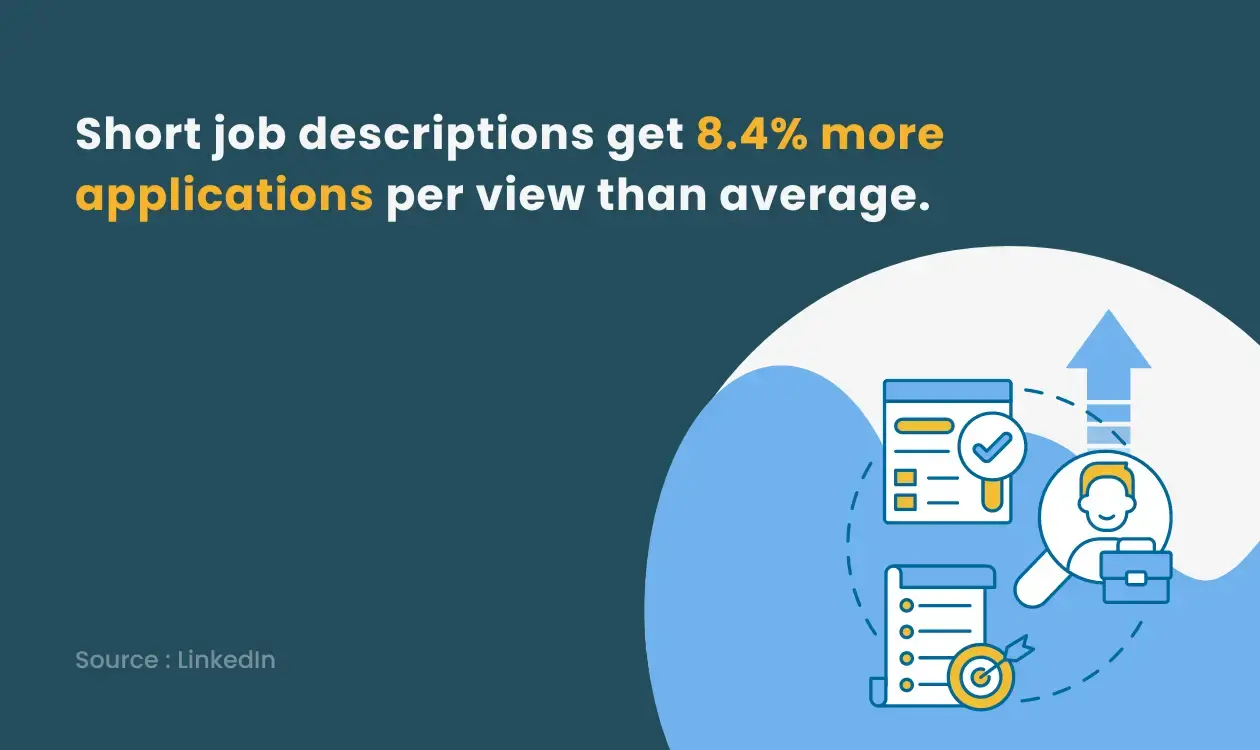
When writing a job ad, it's crucial to be clear about the job role requirements and the organisation's expectations. Candidates in other countries may need to become more familiar with your company or the role you're trying to fill.
Therefore, it's critical to provide as much information as possible. Remember to include details about the organisation's culture and what makes your company an excellent workplace.
2. Screen Candidates Carefully
Meanwhile, it’s essential to screen candidates carefully for successful offshore recruitment. This process should include conducting interviews, checking references, and verifying qualifications. By screening candidates thoroughly, you can ensure that you are hiring the best individual for the job.
3. Use Multiple Recruitment Channels for Hiring
Lastly, when recruiting offshore, adopting multiple recruitment channels is vital. This will help you reach a broader pool of potential candidates and increase your chances of finding the ideal person for the position. Some of the most effective recruitment channels for offshoring include job boards, social media, and professional networks.
If you’re utilising a human resource solution, such a tool integrates with the most popular recruitment platforms for a smooth workflow. However, if you have yet to start using one, you may select from this list the best HR software for small businesses with detailed reviews.
4. Use Recruitment Tech & Tools
Use an Applicant Tracking System to manage applications, track candidate progress, and produce reporting data across your offshore hiring process. Supplement this with video interviewing tools, collaboration platforms, and recruitment marketing tools to create a professional, consistent remote hiring experience.
The global online recruitment technology market is projected to grow from $17.5 billion in 2026 to $46 billion by 2034, driven by AI, mobile hiring platforms, and virtual assessment tools, making early investment in the right tech stack increasingly important for competitive offshore hiring.
What are the Benefits of Offshore Recruitment to Recruiters?
Offshore recruitment can be beneficial to organisations and may promote business growth. Some of the benefits of offshoring include the following:
1. Access to Global Talent Pool
One of the primary benefits of offshore recruitment is that it gives recruiters access to a broader talent pool. When recruiters only source candidates from their local area, they may miss out on qualified candidates living outside their region.
However, by recruiting offshore, recruiters can cast a wider net and consider applicants from all over the world. This provides the company with a global competitive edge in the marketplace.
In addition, if hired, the applicants can give the organisation an innovative and distinct approach to handling problems.
2. Cost-effective
Likewise, offshore recruitment can be cost-effective for recruiters.
For example, recruiters may have to pay for advertising in multiple newspapers or online job boards when recruiting locally.
Moreover, they may have to spend on travel costs to interview candidates living outside their city. However, when recruiting offshore, recruiters can use online tools such as video conferencing to connect with candidates without incurring any travel costs.
Additionally, businesses can often negotiate lower salaries with offshore employees, as the cost of living in many countries is lower than in most developed nations.
3. Business Continuity
Another benefit of offshore recruitment is that it can help businesses to maintain continuous operations.
For example, a company in the United States (US) can guarantee 24/7 operations by recruiting employees in different time zones.
In this way, even if the US office closes for the night, someone will always be available to answer calls or deal with customer queries.
4. Cultural and Language Advantages
If you are hiring offshore, you will have a strong team with multilingual capabilities.
It will be beneficial to acquire customers globally by providing support and international operations.
You will get to understand diverse cultures, which will improve your customer relations.
By doing offshore recruitment, you can tailor services to different markets.
Case Studies of Successful Offshore Recruitment Campaigns
Today, many success stories of companies have found great teams and employees through offshore recruitment campaigns. In this section, let’s explore some case studies of businesses that have succeeded with offshore recruitment.
1. Google
Today, Google is one of the most prominent companies worldwide, and it has also been very successful with offshore recruitment. In fact, the company has been so successful that it now has offices in over 50 countries. It employs a variety of recruitment channels, including job boards and social media recruitment.
2. WhatsApp
On the other hand, WhatsApp is a popular messaging app acquired by Facebook in 2014. Two ex-Yahoo employees who lived in different countries founded the company. They used offshore recruitment to build their team, which helped them save on costs.
Additionally, they found talented engineers from all over the world. The offshore talent took care of software development, which saved the company a lot of money. Soon after, WhatsApp became one of the most well-known messaging apps in the world.
3. Grab
Grab, one of Southeast Asia's largest ride-hailing and technology platforms, built a dedicated offshore engineering team in Indonesia to support research and development. The cost efficiency gained through offshore hiring allowed the company to scale its technology capabilities quickly without overextending its budget.
Selection Criteria for Offshore Partners
When selecting offshore partners, consider these key criteria:
-
Expertise and Track Record: Confirm the agency has demonstrable experience filling the types of roles you need in your target region.
-
Cultural Compatibility: Select partners who understand your organisational culture and can represent it accurately to candidates.
-
Technology and Infrastructure: Verify that the agency uses advanced recruitment technologies and has a robust infrastructure to support global operations.
-
Compliance and Legal Knowledge: 82% of organisations cite data and cybersecurity concerns as their greatest offshore risk, making legal and compliance capability a baseline requirement for any serious partner
-
Communication Skills: Assess how the agency manages communication across time zones and languages. Clear escalation paths and responsive account management make a material difference during active hiring campaigns.
-
Scalability and Flexibility: Confirm the agency can scale operations in line with your growth plans, not just your immediate hiring volume.
These criteria help ensure a partnership that aligns with strategic objectives and supports effective talent acquisition.
Find the Best Hires Using Offshore Recruitment
Offshore recruitment has moved well beyond cost-cutting. In 2026, it is a strategic capability that gives organisations access to global expertise, sustained operational capacity, and competitive advantage in tight talent markets. Success requires careful planning, the right technology, genuine compliance readiness, and partners who understand both your industry and your target region. Organisations that approach offshore hiring as a long-term workforce strategy, rather than a short-term fix, are the ones consistently building the strongest global teams.
Want help with conducting your offshore recruitment tasks efficiently? If so, then click the below image and book a demo NOW. See how our AI Recruitment Software can help you streamline your offshore hiring process from candidate the candidates to hiring the most suitable talent faster online and more effectively.

FAQs - Frequently Asked Questions
1. What is the difference between offshore recruitment and outsourcing?
Offshore recruitment hires talent directly abroad. Outsourcing contracts a third-party firm to handle tasks. Both reduce costs but differ in control.
2. Which countries are the best for offshore recruitment in 2026?
India leads in IT and engineering. The Philippines excels in CX and back-office. Latin America is growing fast for nearshore software and finance roles.
3. How long does the offshore recruitment process typically take?
Most offshore hires take 4 to 8 weeks from job posting to start date, covering sourcing, interviews, offer, legal setup, and notice period.
4. Is AI allowed in offshore recruitment and hiring decisions?
Yes, but AI in hiring is classified as high-risk under the EU AI Act. Transparency, bias testing, and human oversight are now legal requirements.
5. How much can companies save through offshore recruitment?
Offshore hiring typically costs 30 to 60% less than equivalent in-house roles, with savings varying by location, role type, and engagement model.
6. What legal risks should recruiters know about in offshore hiring?
Key risks include non-compliant contracts, visa violations, tax misclassification, and breaching AI hiring regulations like the EU AI Act.
7. What is skills-based hiring and how does it apply to offshore recruitment?
Skills-based hiring evaluates candidates on abilities rather than degrees. It is now mainstream globally and widely used in offshore tech hiring.
8. How do companies manage offshore teams across different time zones?
Successful teams use overlapping working hours, async communication tools, clear handoff processes, and structured project management platforms.
9. What recruitment technology is most useful for offshore hiring?
ATS platforms, video interviewing tools, recruitment CRMs, and AI screening software are the most widely used tools for offshore hiring in 2026.
10. How do you build an employer brand to attract offshore talent?
Candidates research companies on LinkedIn, Glassdoor, and Reddit. Clear values, remote work policies, and reviews from offshore staff build trust.
About the Author