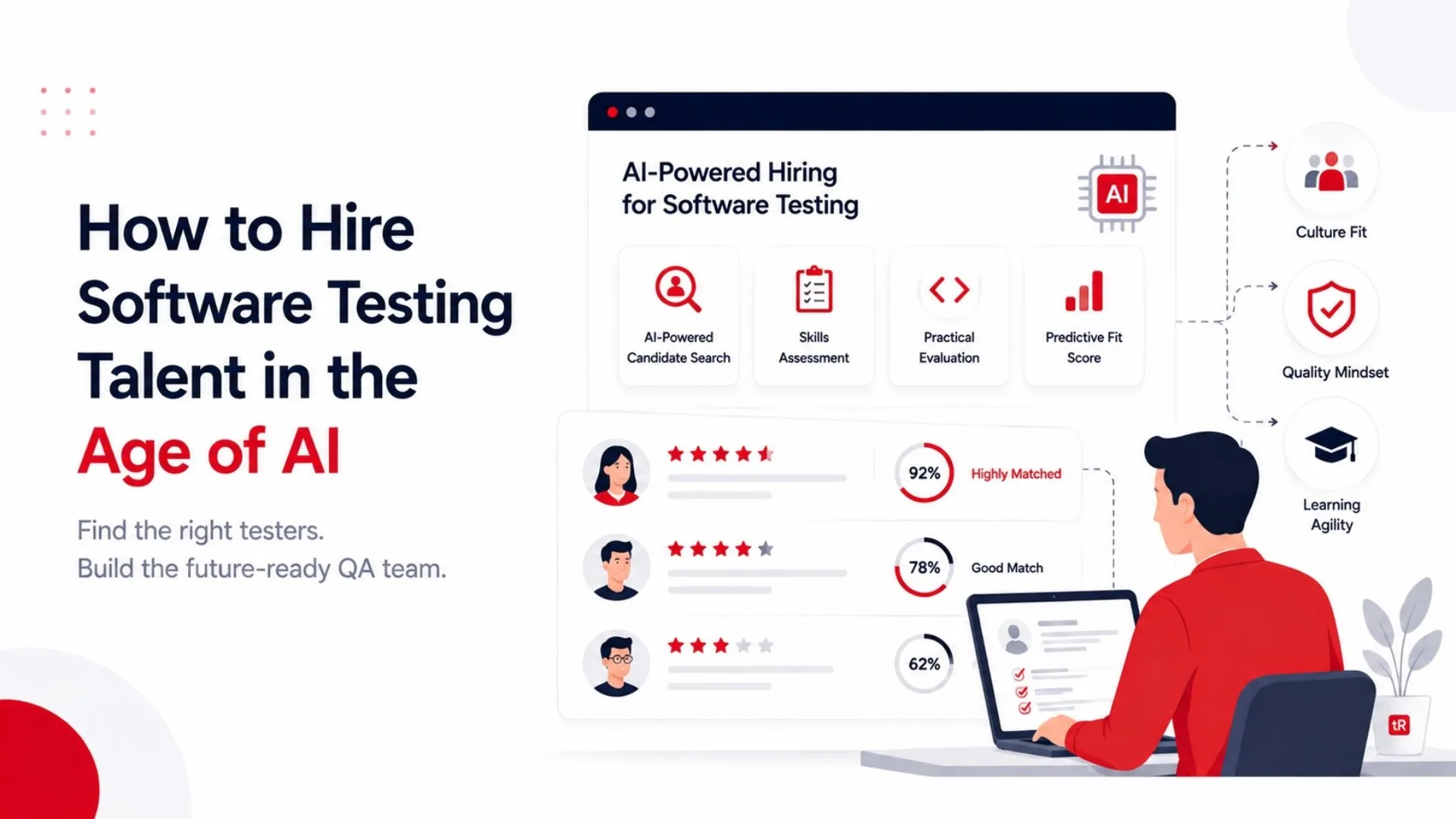


Struggling to find the right talent? You’re not alone, 68% of HR professionals report challenges in hiring full-time candidates.
In today’s candidate-driven market, using the right recruitment methods is key. From job boards and social media to employee referrals, the challenge is choosing what works best for your business.
The right strategic recruitment methods simplify hiring, improve candidate experience, and help you attract top talent. Ready to upgrade your approach and hire superstar employees? Let’s get started!
TL;DR
- Recruitment methods help organizations attract, evaluate, and hire qualified candidates efficiently.
- The four major recruitment methods are external recruitment, internal recruitment, online recruitment, and offline recruitment.
- Internal recruitment saves time, reduces hiring costs, and improves employee engagement.
- External recruitment brings fresh ideas, specialized expertise, and a wider talent pool.
- Online recruitment methods like job boards, social media, ATS platforms, and virtual hiring events continue to dominate hiring in 2026.
- Offline recruitment methods such as employee referrals, campus recruitment, and job fairs remain valuable for specific hiring needs.
- The most successful recruiters combine multiple recruitment techniques instead of relying on a single hiring channel.
What are Recruitment Methods?
Recruitment methods are the strategies and techniques organizations use to attract, identify, and hire suitable candidates for open positions. They help recruiters connect with potential employees through different channels based on the role, industry, hiring goals, and available talent.
Think of recruitment methods as different routes leading to the same destination finding the best candidate. Some organizations promote vacancies internally, while others advertise jobs on online job portals, partner with recruitment agencies, attend job fairs, or leverage employee referrals.
Selecting the right recruitment method is one of the most important steps in the recruitment and selection process. The effectiveness of your hiring strategy depends on factors such as the job level, required skills, hiring timeline, budget, and the availability of qualified candidates.
Modern recruitment methods also incorporate AI-powered sourcing, recruitment automation, applicant tracking systems (ATS), social recruiting, and data-driven hiring decisions, enabling recruiters to identify qualified candidates faster and improve the overall candidate experience.
Ultimately, the goal of every recruitment method is to attract high-quality talent that aligns with both the job requirements and the organization's culture.
What are the Types of Recruitment Methods?
There are several recruitment methods, each with unique pros and cons.
Traditional methods include newspaper ads and job fairs. Modern methods include social media recruitment and employee referral programs. Choosing the right method can be challenging.
The four primary recruitment methods are:
- External Recruitment Methods
- Internal Recruitment Methods
- Online Recruitment Methods
- Offline Recruitment Methods
Many organizations combine multiple recruitment methods to maximize their talent reach and improve hiring success.
For example, a company hiring software engineers may advertise the position on LinkedIn, encourage employee referrals, partner with recruitment agencies, and simultaneously promote qualified internal employees.
Using the right mix of recruitment techniques helps organizations:
- Reach qualified candidates faster
- Improve hiring quality
- Reduce recruitment costs
- Shorten time-to-hire
- Strengthen employer branding
- Build long-term talent pipelines
As hiring continues to evolve in 2026, businesses are increasingly adopting data-driven and technology-enabled recruitment strategies while maintaining the human element throughout the hiring journey.
1. External Recruitment Methods
External recruiting is the process of hiring candidates from outside the organisation. Using this method, job openings are posted on job boards, social media, or through recruitment agencies. Career fairs and networking events are also used to search for potential candidates. External recruiting is done by companies that want to add new skills and new points of view to their staff.
You can use these recruitment methods when you can't find talent internally. This method can help the organisation get new ideas and new points of view.
Also, you can use external recruitment methods to fill specialised roles that need special skills and experience.
Despite its benefits, external recruitment methods can be more expensive than internal ones, which requires additional resources to find and attract suitable candidates. Nonetheless, it remains an essential strategy for organisations looking to find the best talent for their needs.
Benefits of External Recruitment Methods
1. New viewpoint
When you hire people from outside the organisation, they can bring new ideas, levels of creativity, and skills that can help the company.
They might have worked in different industries, technologies, or with different strategies. They can give your company a unique perspective on improving your products, services, and operations.
2. Diverse workforce
It can help increase workplace diversity, improving creativity, innovation, and problem-solving abilities. This not only promotes inclusivity but also increases profit.
3. Skill sets
Sometimes, you don't have the right skills or experience available from your own team. So, you need to hire the right candidate externally. This will help you attract individuals with the required skill set and experience to meet your needs. This ensures that you can fill the skill gaps in your workforce and continue to meet your business goals.
4. Expansion
When your company expands, you may need to hire more employees than it currently has, which may require external recruiting. In such cases, using Employer of Record services can simplify and streamline the hiring process while ensuring compliance with local laws.
For example, if you want to hire in Brazil, an EOR can legally employ the worker on your behalf, manage CLT-compliant employment contracts, register the employee with the relevant Brazilian authorities, handle INSS and FGTS contributions, process payroll in BRL, and ensure adherence to local labour regulations, all without requiring you to set up a legal entity in Brazil.
5. Cost-effective
It can be a cost-effective way to fill job vacancies instead of training and developing existing employees.
2. Internal Recruitment Methods
In this recruitment method, you can look for existing employees who have the right skills and train them to fill open vacancies.
These can include effective job postings, promotions, and transfers within the company. Rewarding hard work and encouraging employee loyalty helps create a good work environment.
Benefits of Internal Recruitment Methods
1. Faster process
It's faster because you don't have to conduct the whole hiring process from scratch. This eliminates the need for background checks and multiple rounds of interviews. Also, internal candidates can quickly adapt to the new role, reducing the time spent on onboarding and training.
2. Improved retention
When you promote employees within, it boosts their morale and job satisfaction. Which leads to better retention and reduced turnover. iHire 2022 Talent Retention Report shows that 28.3% of people left their jobs because they saw better advancement opportunities elsewhere.
3. Improves morale
When you show that your company is willing to offer promotions, it boosts morale, which makes it more likely that the employee will stay.
4. Familiarity with the organisation
They're familiar with the company's environment and rules, so they'll adapt to their new role quicker than someone from outside.
5. Talent development
Hiring existing employees can boost their skills and make the whole team more capable.
3. Online Recruitment Methods
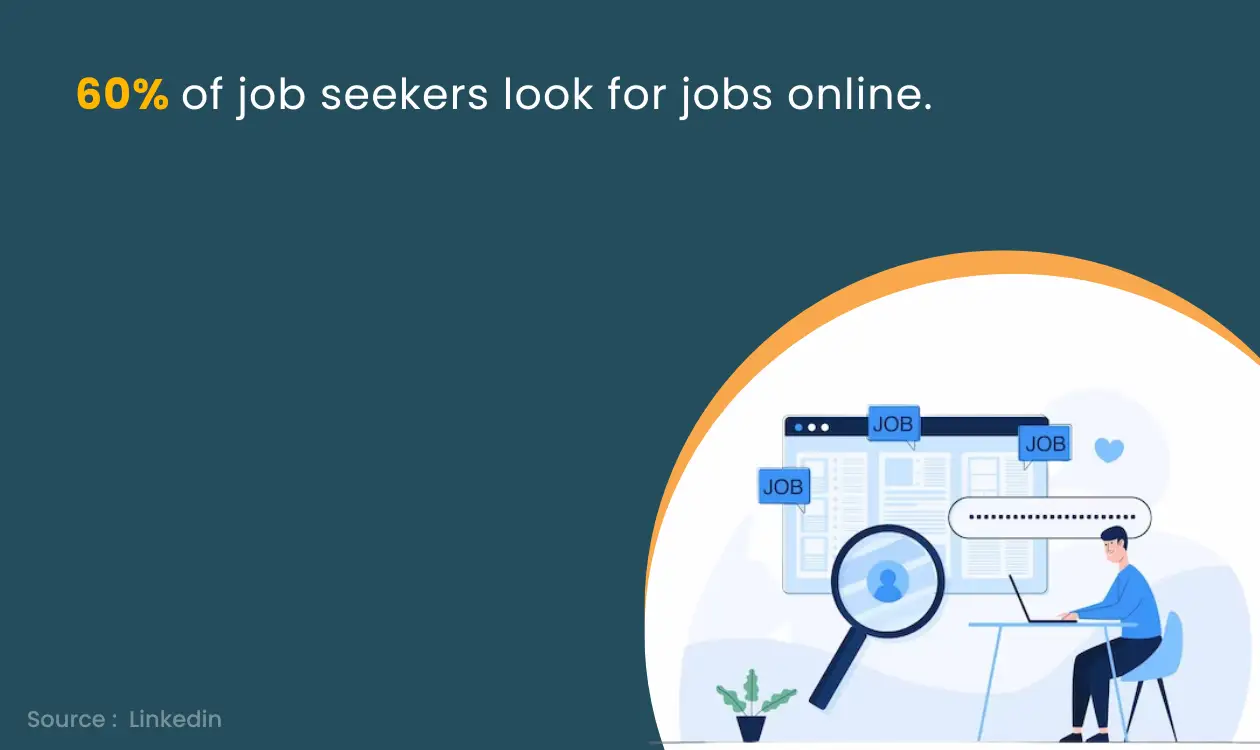
Online recruitment has become well-received among many organisations. SHRM reports that online recruitment is the new norm, as 84% of organisations recruit via social media, and 9% plan to follow suit.
What are the online recruitment methods?
1. Job Boards: Websites where you can post job openings and where job seekers can look at the jobs and apply for them. LinkedIn, Indeed, and Glassdoor are all examples of well-known job boards.
2. Social Media: Sites like LinkedIn, Twitter, Facebook, and Instagram can be used to advertise and promote job openings, reach out to potential candidates, and speak with job seekers. This way, Social Recruiting makes it effective in promoting jobs on social networking sites.
3. Employer Website: A dedicated section on your website where you post job openings and accept online job applications.
4. Referral Programs: Employees get incentives by referring qualified candidates for open positions.
5. Online Recruiting Agencies: Staffing firms help companies find qualified people to fill open jobs. These agencies may use job boards, social media, and other online recruitment tools to find people.
6. Online Events: You can attract and interact with potential candidates by organising Recruiting and HR conferences, virtual job fairs, webinars, and virtual networking events.
7. Applicant Tracking Systems: Applicant Tracking Systems (ATS) to keep track of job applications and resumes, find qualified candidates and speed up the interview process.
Advantages of Online Recruitment Methods
-
Wider Reach:
It allows you to reach a larger pool of candidates from different places, backgrounds, and experiences. This increases the chances of finding a highly qualified candidate who may not be found through traditional methods.
-
Speed and Efficiency:
Online hiring helps you find the right people faster. Automated tools can filter resumes based on specific criteria and focus on the most qualified candidates. This saves time and makes the hiring process efficient for everyone.
-
Analytics and Insights:
Online recruiting tools offer data, analytics, and recruitment KPIs that allow recruiters to track the effectiveness of their job posting and recruitment campaigns, which can be used to improve recruitment strategies and make data-driven decisions.
4. Offline Recruitment Methods
In recent years, online recruitment methods have become more and more popular. However, offline recruitment methods still play a big role in hiring.
Using offline methods to find candidates has several benefits, such as letting you reach more people who might not be actively looking for jobs online. Also, meeting potential candidates in person and getting to know them better can help build trust and improve communication. Employers can build a local presence in the community by using offline methods, which can help their brand and reputation.
Offline methods also help find candidates with the right skills and experience but may not have a strong online presence. This makes sure that employers don't miss out on qualified candidates.
What are the offline recruitment methods?
1. Job fairs: These are events where many employers set up booths to meet and talk to people that are interested in working for them.
2. Referrals: Employee Referral Programs are effective where current staff members can tell their friends, family, or other people they know about job openings.
3. Newspaper ads: Putting ads for jobs in local newspapers is a good way to reach many applicants.
4. Flyers and posters: You can reach potential candidates by putting flyers created using flyer maker and poster maker in public places like community centres, libraries, and cafes.
5. Internships: Giving college students internships can be a good way to find potential employees who have already shown what they can do.
6. College career centres: Building relationships with college career centres can give you access to recent graduates and students about to graduate.
7. Employee walk-ins: Letting potential candidates come to the company's office and meet with HR staff can help build rapport and make a personal connection.
8. Industry events: Going to industry events and conferences can help you find people who are already interested in the field and could be good candidates.
9. Open houses: Having open houses and information sessions can help job seekers learn more about the company and the open positions.
7 Best Recruiting Methods for Recruiters in 2026
As recruitment continues to evolve in 2026, recruiters need hiring strategies that are efficient, scalable, and candidate-focused. The best recruitment methods combine technology with human interaction to improve hiring quality and reduce time-to-fill.
Here are seven of the most effective recruitment methods for HR professionals and recruiters in 2026.
1. Employee referrals
Employee referrals continue to deliver some of the highest-quality hires across industries.
Employees recommend candidates who possess the required skills and align with the company's culture. Since referred candidates already have insights into the organization, they often integrate more quickly and remain with the company longer.
Benefits include:
- Faster hiring process
- Lower recruitment costs
- Better cultural fit
- Higher employee retention
- Improved quality of hire
2. Social media recruitment
Social media has become one of the most powerful recruitment channels.
Platforms such as LinkedIn, Facebook, Instagram, and X help recruiters engage both active and passive candidates while showcasing employer branding.
Recruiters can:
- Advertise job openings
- Build employer brand awareness
- Connect with industry professionals
- Engage passive talent
- Share company culture and employee success stories
3. Recruitment advertising
Targeted recruitment ads help reach the right candidates efficiently.
Modern recruitment advertisements use AI-driven audience targeting across job boards, search engines, and social media platforms to maximize visibility.
Effective recruitment advertising includes:
- Clear job descriptions
- Attractive employer branding
- Strong employee value propositions
- Relevant keywords for better search visibility
- Mobile-friendly application processes
4. Video Interviews
Video interviews save time and resources while improving candidate experience.
It allows recruiters to evaluate candidates regardless of their location while reducing scheduling conflicts and travel expenses.
Benefits include:
- Faster interview scheduling
- Lower recruitment costs
- Access to global talent
- Improved hiring efficiency
- Better candidate convenience
5. Virtual Job Fairs
Virtual job fairs enable organizations to connect with large numbers of candidates through online events.
Recruiters can conduct live presentations, answer candidate questions, collect resumes, and perform initial interviews without geographical limitations.
Virtual hiring events are particularly effective for:
- Campus recruitment
- Graduate hiring
- High-volume recruitment
- Remote hiring
- International recruitment
6. Diversity and Inclusion initiatives
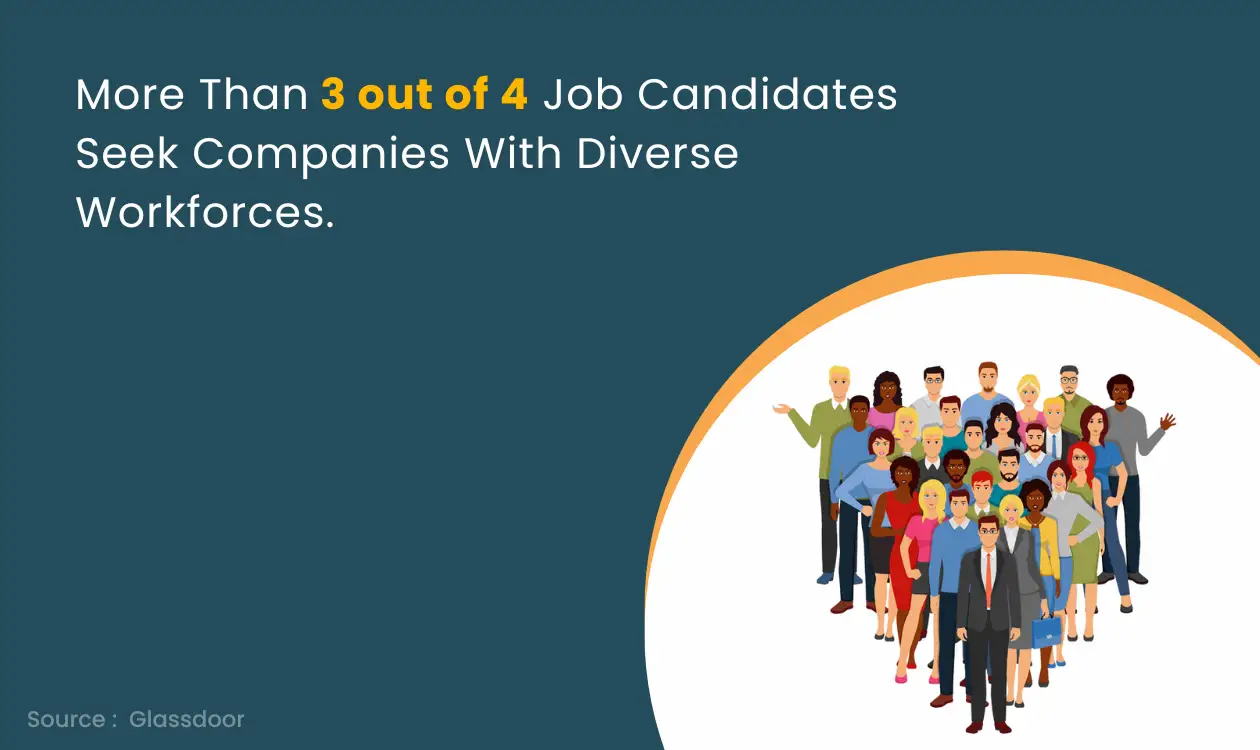
Building a diverse workforce has become a business priority rather than simply an HR objective.
Organizations that implement inclusive recruitment strategies attract candidates from different backgrounds, experiences, and perspectives, leading to stronger innovation and better business performance.
Examples include:
- Writing inclusive job descriptions
- Removing bias from recruitment processes
- Expanding candidate sourcing channels
- Partnering with diversity-focused organizations
- Using structured interviews and skills-based assessments
7. Talent Communities
Talent communities engage potential candidates even when no jobs are currently open.
Instead of recruiting only when positions become available, recruiters continuously engage prospective candidates through newsletters, webinars, networking events, and career updates.
Talent communities help organizations:
- Build future talent pipelines
- Improve employer branding
- Reduce future hiring costs
- Increase candidate engagement
- Hire more quickly for future vacancies
Conclusion on Recruiting Methods for HRs and Recruiters
Recruitment in 2026 is like navigating a vast ocean. The right recruitment methods act as a compass, guiding HRs and recruiters toward the best candidates.
Whether you rely on external recruiting, explore internal talent, or leverage online and offline channels, each method brings unique strengths to your hiring strategy.
Understanding and mastering these methods allows you to attract top talent, improve hiring outcomes, and stay ahead in a competitive market.
Are you ready to take your recruitment strategy to the next level? Start your journey with iSmartRecruit and get a free demo today. The right candidate is out there, let the right methods help you find them.

Frequently Asked Questions (FAQs)
1. What are the different types of recruitment methods?
The four main recruitment methods are internal recruitment, external recruitment, online recruitment, and offline recruitment. Many organizations combine these methods to attract qualified candidates while improving hiring efficiency.
2. Why is choosing the right recruitment method important?
Recruitment methods help organizations identify, attract, and hire suitable candidates efficiently. Choosing the right hiring method can reduce recruitment costs, shorten time-to-hire, improve candidate quality, and enhance the overall recruitment process.
3. Which recruitment methods are most effective in 2026?
Some of the most effective recruitment methods in 2026 include employee referrals, social media recruitment, recruitment advertising, video interviews, virtual job fairs, talent communities, and diversity-focused hiring initiatives.
4. How do online and offline recruitment methods differ?
Internal recruitment fills vacancies using existing employees through promotions, transfers, or internal job postings. External recruitment hires candidates from outside the organization using job boards, recruitment agencies, social media, campus hiring, and other sourcing methods.
5. When should a company use external vs internal recruitment methods?
Online recruitment uses digital platforms such as job boards, social media, company career websites, and applicant tracking systems to reach candidates quickly. Offline recruitment relies on traditional methods like job fairs, newspaper advertisements, employee referrals, campus recruitment, and networking events to engage candidates through direct interactions.
About the Author